

Perverse Attachments : Reading Fiction Around 1800
Book Details
Format
Paperback / softback
Book Series
Thinking Literature
ISBN-10
0226847381
ISBN-13
9780226847382
Publisher
The University of Chicago Press
Imprint
University of Chicago Press
Country of Manufacture
GB
Country of Publication
GB
Publication Date
May 22nd, 2026
Print length
256 Pages
Weight
376 grams
Dimensions
22.80 x 15.10 x 1.70 cms
KSh 4,200.00
Werezi Extended Catalogue
Delivery in 12 days
3 copies in stock
Delivery Location
Delivery fee: Select location
Delivery in 12 days
Secure
Quality
Fast
This new theory of reader response describes “perverse attachment,” or the powerful desire to intervene in a story, even when it is impossible to do so. Fiction has long inspired resistance in its readers: making them, for example, wish for a different plot, cringe at a moment of social discomfort, or itch to warn a character about an approaching calamity. These are symptoms of a condition that Anastasia Eccles calls “perverse attachment,” in which a person feels an urge to act on something beyond their control. Eccles theorizes this form of frustrated agency as a constitutive part of the experience of reading fiction, especially under the influence of literary sentimentalism in the late eighteenth and early nineteenth centuries. It was also, significantly, a defining aspect of the mass politics that emerged in the same period, which rested on the demands of new political subjects to participate in a process that excluded them. Perverse Attachments recovers a repertoire of aesthetic responses keyed to the psychodynamics of modern political life: complicity, suspense, historical regret, and cringing. Combining identification and disidentification, immersion and detachment, these experiences challenge deep-seated binaries in our theories of reading and point toward a new account of the political stakes of literary form. Through readings of works by Charlotte Smith, Walter Scott, Jane Austen, and others Eccles shows how this distinctive aesthetic and political relation shaped the major genres of Romantic fiction and gave rise to some of the novel’s characteristic forms, like the character type of the witness-protagonist and the techniques of free indirect discourse. The result is a major work in the theory of the novel and the history of readerly experience.
Get Perverse Attachments by Anastasia Eccles at the best price and quality guaranteed only at Werezi Africa's largest book ecommerce store. The book was published by The University of Chicago Press and it has 256 pages.
Customers Who Bought This Also Bought
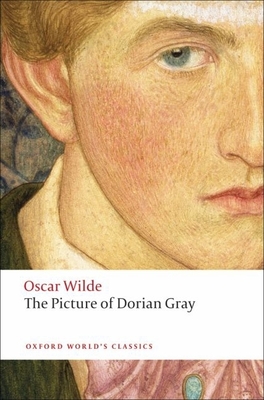
The Picture of Dorian Gray
KSh 1,250.00
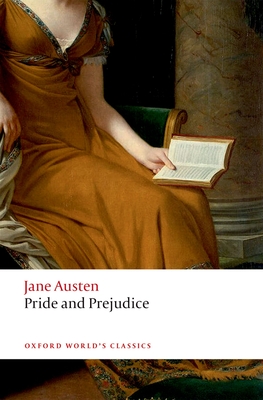
Pride and Prejudice
KSh 1,150.00
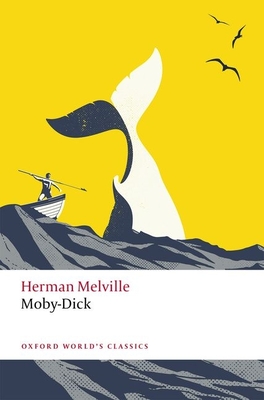
Moby-Dick
KSh 1,750.00
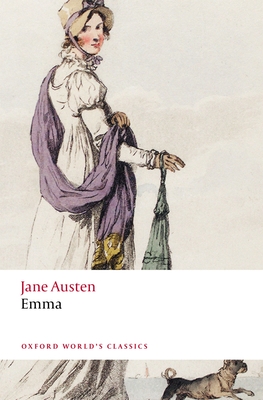
Emma
KSh 1,350.00
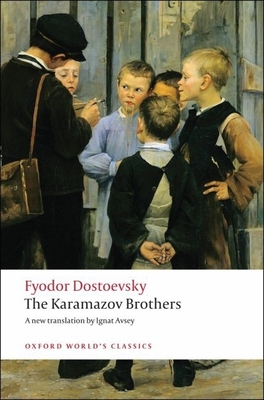
The Karamazov Brothers
KSh 2,100.00
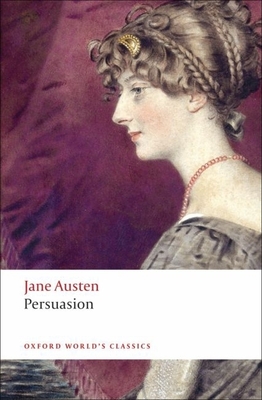
Persuasion
KSh 1,100.00

Bleak House
KSh 2,150.00
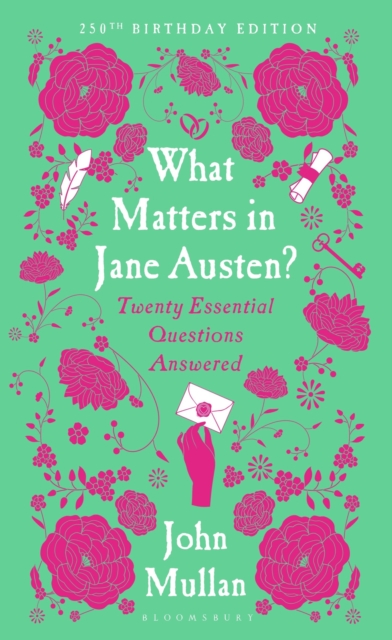
What Matters in Jane Austen?
KSh 2,700.00
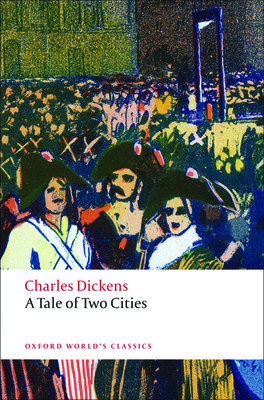
A Tale of Two Cities
KSh 1,200.00
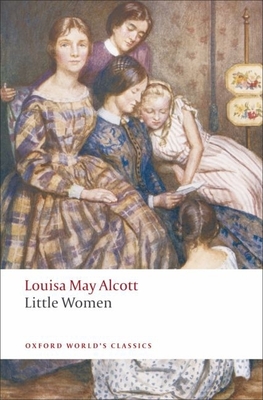
Little Women
KSh 1,550.00
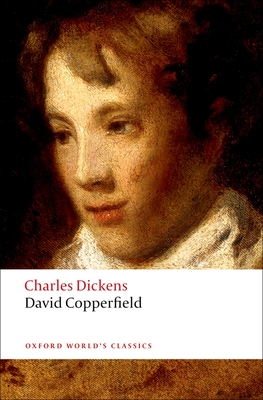
David Copperfield
KSh 2,100.00
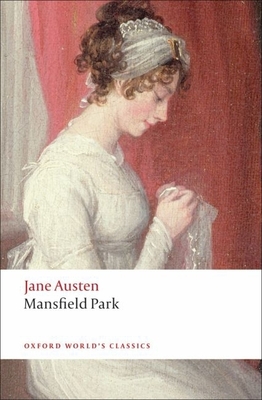
Mansfield Park
KSh 1,250.00
