
Cart 0
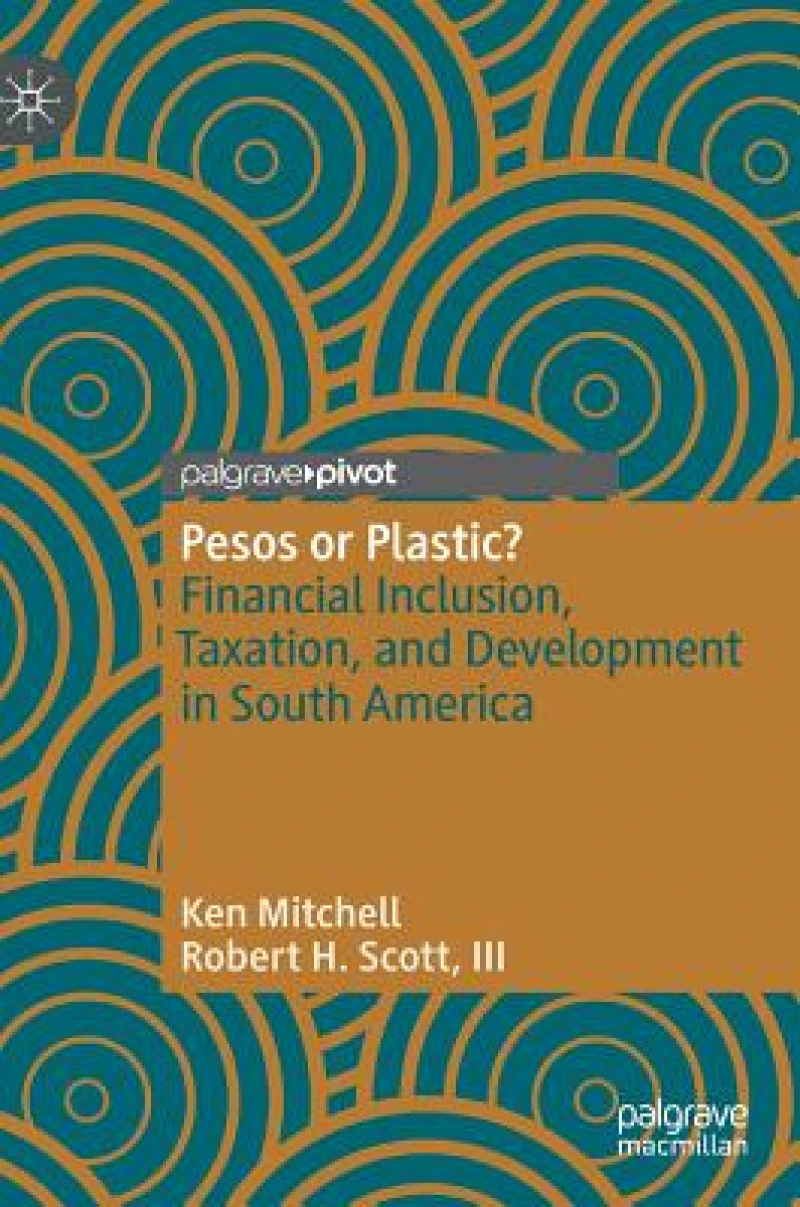
Pesos or Plastic?
Click to zoom

Share this book

Pesos or Plastic? : Financial Inclusion, Taxation, and Development in South America

2019 ed.

Book Details

Format Hardback or Cased Book
ISBN-10 3030148750
ISBN-13 9783030148751
Edition 2019 ed.
Publisher Springer Nature Switzerland AG
Imprint Springer Nature Switzerland AG
Country of Manufacture CH
Country of Publication GB
Publication Date Apr 15th, 2019
Print length 90 Pages
Ksh 8,100.00
Werezi Extended Catalogue Delivery in 28 days

Delivery Location

Delivery fee: Select location

Delivery in 28 days

Secure
Quality
Fast
The book covers financial inclusion in the southern cone (Argentina, Brazil, and Chile) and its impact on public finance. Possible negative consequences of greater financial inclusion are identified, but the book argues potential benefits outweigh costs. Financial inclusion has many definitions, but in this book, we interpret it as bank account ownership and the use of banking services. Financial inclusion in this context proffers advantages in the area of tax collection, perhaps the southern cone’s gravest economic obstacle given its future debt servicing commitments and its socioeconomic development challenges. Households with a bank account – or, the bank participation rate – began increasing significantly around 2002, and this increase has coincided with an unexpected rise in tax collection (especially value-added taxes (VAT)) spanning periods of macroeconomic growth (2003-2009) and stagnation (2010-2015). Correlation does not imply causation, yet using empirical methods this book shows financial inclusion contributes to better tax collection by encouraging more formal market transactions via the use of bank-provided credit and debit cards. Consumption represents the largest component of most economies and consumption taxes contribute more to public revenue in the southern cone than other taxes, hence more formal consumption enhances overall tax collection. ?

The book covers financial inclusion in the southern cone (Argentina, Brazil, and Chile) and its impact on public finance. Possible negative consequences of greater financial inclusion are identified, but the book argues potential benefits outweigh costs. Financial inclusion has many definitions, but in this book, we interpret it as bank account ownership and the use of banking services. Financial inclusion in this context proffers advantages in the area of tax collection, perhaps the southern cone''s gravest economic obstacle given its future debt servicing commitments and its socioeconomic development challenges.

Households with a bank account - or, the bank participation rate - began increasing significantly around 2002, and this increase has coincided with an unexpected rise in tax collection (especially value-added taxes (VAT)) spanning periods of macroeconomic growth (2003-2009) and stagnation (2010-2015). Correlation does not imply causation, yet using empirical methods this book shows financial inclusion contributes to better tax collection by encouraging more formal market transactions via the use of bank-provided credit and debit cards. Consumption represents the largest component of most economies and consumption taxes contribute more to public revenue in the southern cone than other taxes, hence more formal consumption enhances overall tax collection.


Get Pesos or Plastic? by at the best price and quality guaranteed only at Werezi Africa's largest book ecommerce store. The book was published by Springer Nature Switzerland AG and it has pages.


Mind, Body, & Spirit

Price

Ksh 8,100.00

Shopping Cart

Africa largest book store

Sub Total:
Ebooks

Digital Library
Coming Soon

Our digital collection is currently being curated to ensure the best possible reading experience on Werezi. We'll be launching our Ebooks platform shortly.