
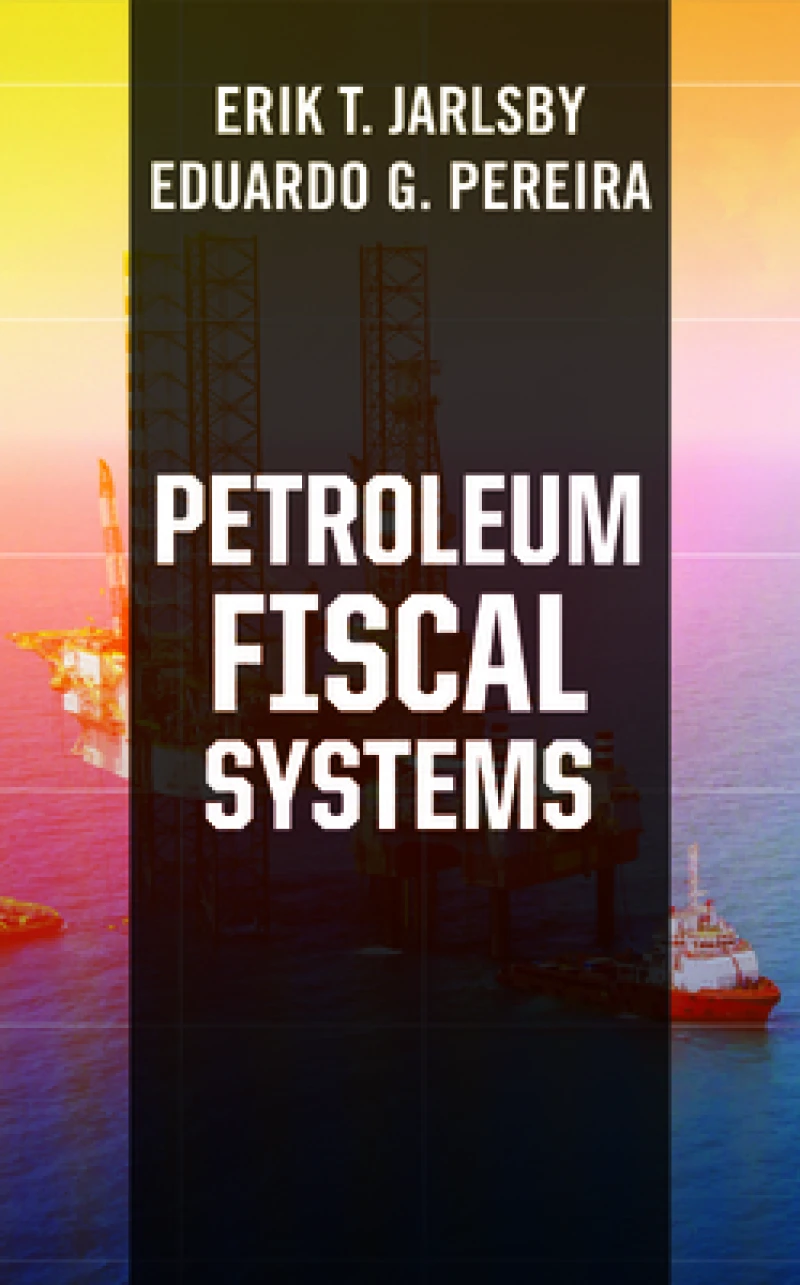
Petroleum Fiscal Systems
Book Details
Format
Hardback or Cased Book
ISBN-10
1593704801
ISBN-13
9781593704803
Publisher
PennWell Books
Imprint
PennWell Books
Country of Manufacture
US
Country of Publication
GB
Publication Date
Jan 30th, 2019
Print length
471 Pages
Weight
950 grams
Product Classification:
Industry & industrial studiesIndustry and industrial studies
Ksh 18,350.00
Werezi Extended Catalogue
0 in stock
Delivery Location
Delivery fee: Select location
Secure
Quality
Fast
Reviews the various instruments which may form the petroleum fiscal system of a jurisdiction, with numerous examples from countries having configured their systems very differently. The book also reviews fiscal valuation and control, related cross-border issues, and the economic analysis and design of fiscal systems.
Petroleum fiscal systems are arrangements for sharing the economic value from petroleum extraction between the host nation and the companies engaged in the extraction. In most countries, oil and gas resources are under the control of the national Government. The activities of exploiting the resources are undertaken by firms, some of which are owned by the state. Petroleum resource management therefore is an interaction of two key parties: The enterprises which carry out operations of finding and extracting petroleum from the ground, and the Government as custodian of the resources on behalf of the host nation which ultimately owns them.
The book reviews the various instruments which may form the petroleum fiscal system of a jurisdiction, with numerous examples from countries having configured their systems very differently. It also reviews fiscal valuation and control, related cross-border issues, and the economic analysis and design of fiscal systems related to a variety of development scenarios found in modern petroleum operations.
Features and Benefits
Audience
The book reviews the various instruments which may form the petroleum fiscal system of a jurisdiction, with numerous examples from countries having configured their systems very differently. It also reviews fiscal valuation and control, related cross-border issues, and the economic analysis and design of fiscal systems related to a variety of development scenarios found in modern petroleum operations.
Features and Benefits
- Explain the fiscal and related instruments applied in the upstream petroleum sector internationally: Royalty, production sharing, bonuses, remuneration for service, privileged state participation, corporate income tax, petroleum resource taxes, and non-fiscal business obligations.
- Review common issues of delineation and verification of petroleum fiscal parameters, including transfer pricing issues.
- Analyze petroleum fiscal systems in terms of value allocation, risk allocation and incentive effects.
- Provide design considerations for setting up and implementing the petroleum fiscal system in the context of national petroleum policy and licensing of petroleum rights.
Audience
- Oil company executives, business developers, analysts, finance and tax professionals
- Politicians and public servants
- Investors and financial sector professionals
- Lawyers and other professional service providers
- Managers and analysts of firms doing business with the petroleum industry
- Academia and civil society whose work may relate to petroleum fiscal systems
- Students of petroleum economics and related disciplines
Get Petroleum Fiscal Systems by at the best price and quality guaranteed only at Werezi Africa's largest book ecommerce store. The book was published by PennWell Books and it has pages.

