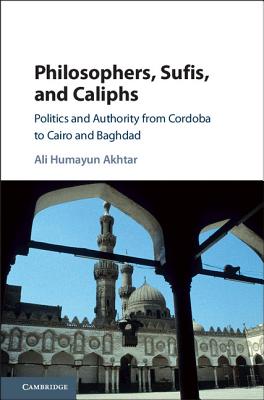
Philosophers, Sufis, and Caliphs : Politics and Authority from Cordoba to Cairo and Baghdad
Book Details
Format
Paperback / softback
ISBN-10
1316633098
ISBN-13
9781316633090
Publisher
Cambridge University Press
Imprint
Cambridge University Press
Country of Manufacture
GB
Country of Publication
GB
Publication Date
May 30th, 2019
Print length
280 Pages
Weight
416 grams
Dimensions
23.60 x 31.60 x 1.60 cms
KSh 6,250.00
Currently unavailable
0 in stock
Delivery Location
Delivery fee: Select location
Secure
Quality
Fast
This book investigates the relationship between government and religion in Middle Eastern history. By tracing how political debates about leadership impacted the theological scholars and their own conception of communal guidance, it offers a new picture of premodern political authority and the connections between Western and Islamic civilizations.
What was the relationship between government and religion in Middle Eastern history? In a world of caliphs, sultans, and judges, who exercised political and religious authority? In this book, Ali Humayun Akhtar investigates debates about leadership that involved ruling circles and scholars of jurisprudence and theology. At the heart of this story is a medieval rivalry between three caliphates: the Umayyads of Cordoba, the Fatimids of Cairo, and the Abbasids of Baghdad. In a fascinating revival of Late Antique Hellenism, Aristotelian and Platonic notions of wisdom became a key component of how these caliphs debated their authority as political leaders. By tracing how these political debates impacted the theological and jurisprudential scholars and their own conception of communal guidance, Akhtar offers a new picture of premodern political authority and the connections between Western and Islamic civilizations. It will be of use to students and specialists of the premodern and modern Middle East.
Get Philosophers, Sufis, and Caliphs by Ali Humayun Akhtar at the best price and quality guaranteed only at Werezi Africa's largest book ecommerce store. The book was published by Cambridge University Press and it has 280 pages.
Customers Who Bought This Also Bought
A Modern History of the Somali
KSh 5,300.00
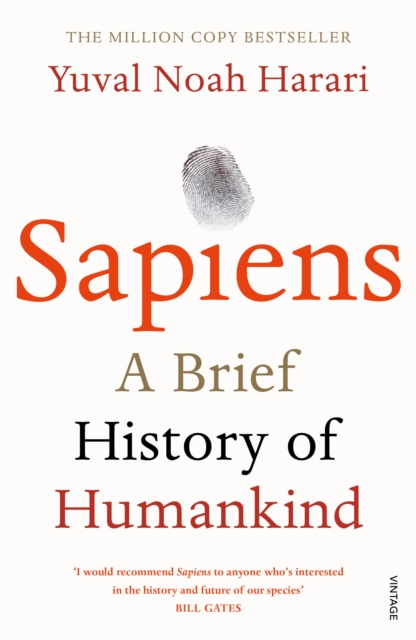
Sapiens
KSh 2,350.00

Rise Fall Great Powers
KSh 3,050.00

Legacy of Violence
KSh 3,150.00

Chip War
KSh 2,000.00
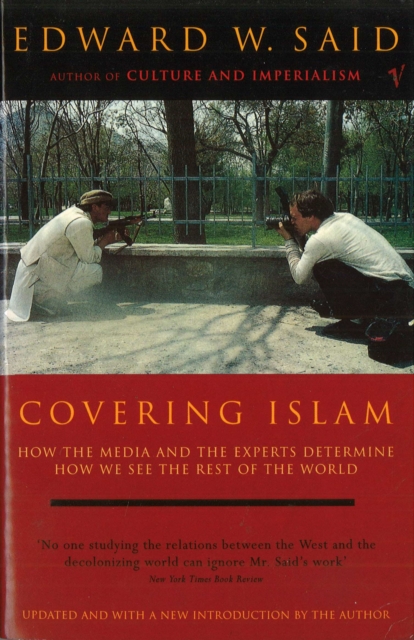
Covering Islam
KSh 2,350.00

They Came Before Columbus
KSh 3,400.00

Hiroshima
KSh 2,000.00

Guns, Germs and Steel
KSh 2,400.00

Silk Roads
KSh 3,050.00

Empire
KSh 2,700.00

Strategy
KSh 4,350.00