
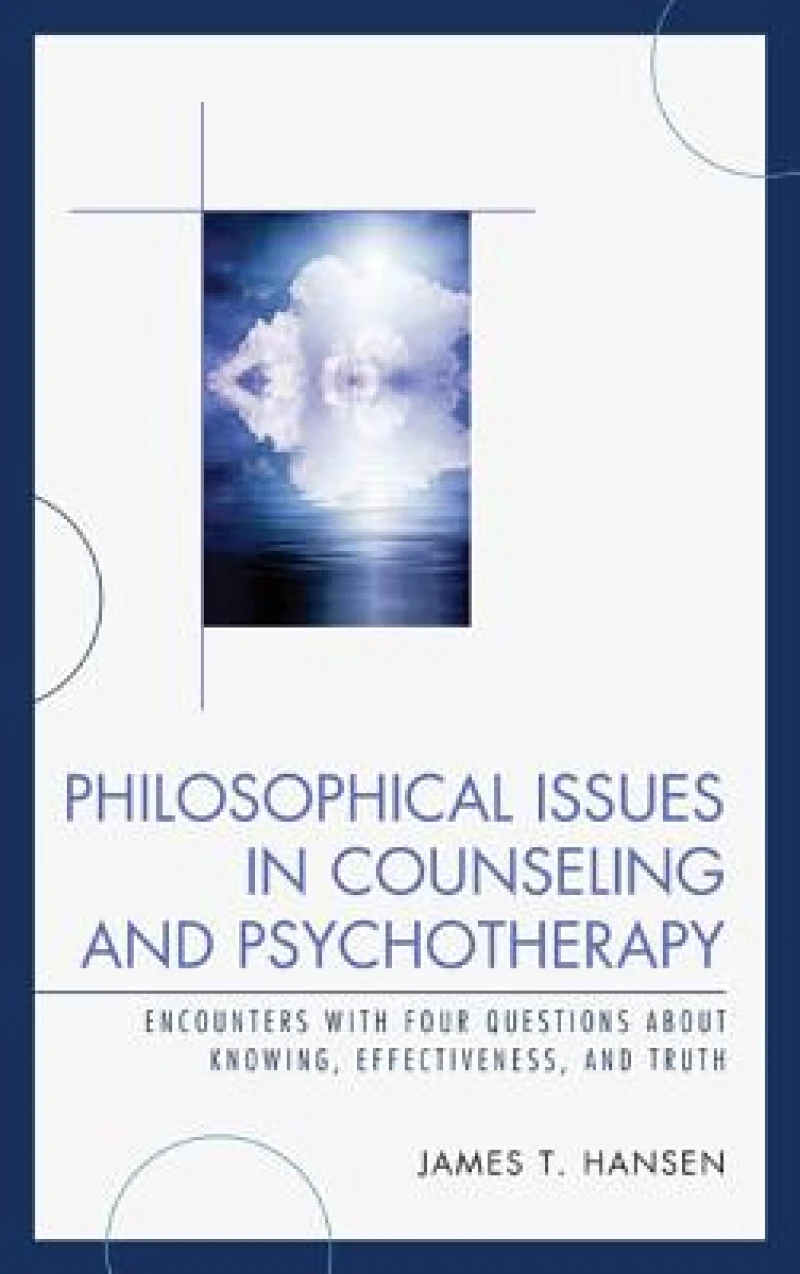
Philosophical Issues in Counseling and Psychotherapy : Encounters with Four Questions about Knowing, Effectiveness, and Truth
Book Details
Format
Hardback or Cased Book
ISBN-10
1442228776
ISBN-13
9781442228771
Publisher
Bloomsbury Publishing Plc
Imprint
Rowman & Littlefield Publishers
Country of Manufacture
GB
Country of Publication
GB
Publication Date
Nov 21st, 2013
Print length
166 Pages
Weight
402 grams
Dimensions
23.70 x 16.00 x 1.70 cms
Ksh 15,300.00
Manufactured on Demand
0 in stock
Delivery Location
Delivery fee: Select location
Secure
Quality
Fast
To become a counselor or psychotherapist, one must learn a confusing and conceptually disconnected array of theories, techniques, and ideologies. For instance, CBT, humanistic, and psychodynamic interventions have virtually opposite conceptual foundations, but they are all used to help clients. What principles, however, connect the various movements, trends, and methods of helping? In Philosophical Issues in Counseling and Psychotherapy: Encounters with Four Questions about Knowing, Effectiveness, and Truth, James T. Hansen asks and proposes beginning resolutions to four fundamental philosophical questions about knowing, effectiveness, and truth that are designed to unite and give meaning to diverse and seemingly contradictory models of helping: What does it mean to know a client? What makes counseling effective? Are truths discovered or created in the counseling relationship? Should counselors abandon the idea of truth? Although these questions are complex, Hansen provides plain language answers that make the material accessible to readers who have no formal education in philosophy. Furthermore, he addresses these questions in the context of his personal struggles to find meaning—making the book an engaging and highly enjoyable reading experience.
To become a counselor or psychotherapist, one must learn a confusing and conceptually disconnected array of theories, techniques, and ideologies. For instance, CBT, humanistic, and psychodynamic interventions have virtually opposite conceptual foundations, but they are all used to help clients. What principles, however, connect the various movements, trends, and methods of helping? In Philosophical Issues in Counseling and Psychotherapy: Encounters with Four Questions about Knowing, Effectiveness, and Truth, James T. Hansen asks and proposes beginning resolutions to four fundamental philosophical questions about knowing, effectiveness, and truth that are designed to unite and give meaning to diverse and seemingly contradictory models of helping: What does it mean to know a client? What makes counseling effective? Are truths discovered or created in the counseling relationship? Should counselors abandon the idea of truth? Although these questions are complex, Hansen provides plain language answers that make the material accessible to readers who have no formal education in philosophy. Furthermore, he addresses these questions in the context of his personal struggles to find meaning—making the book an engaging and highly enjoyable reading experience.
Get Philosophical Issues in Counseling and Psychotherapy by at the best price and quality guaranteed only at Werezi Africa's largest book ecommerce store. The book was published by Bloomsbury Publishing Plc and it has pages.

