
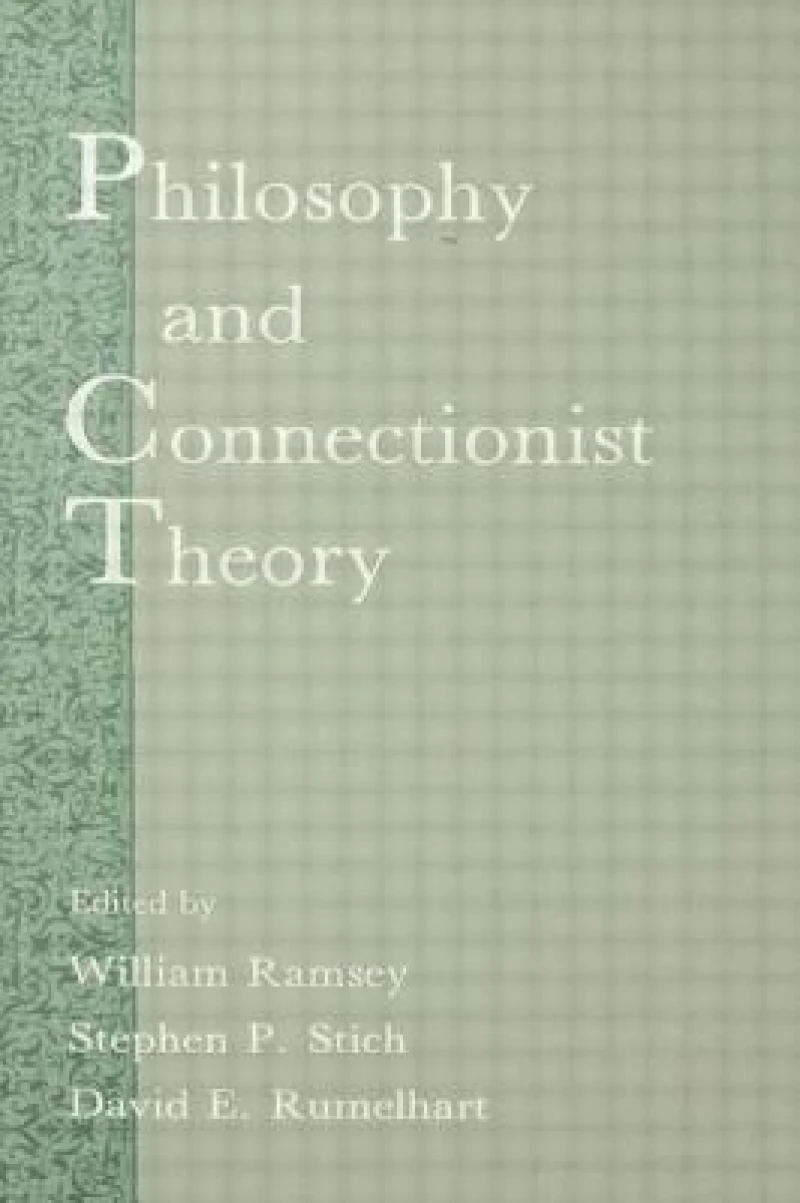
Philosophy and Connectionist Theory
Book Details
Format
Paperback / Softback
Book Series
Developments in Connectionist Theory Series
ISBN-10
1138876089
ISBN-13
9781138876088
Publisher
Taylor & Francis Ltd
Imprint
Psychology Press Ltd
Country of Manufacture
GB
Country of Publication
GB
Publication Date
Feb 4th, 2016
Print length
336 Pages
Weight
498 grams
Product Classification:
Philosophy of mindCognition & cognitive psychology
Ksh 10,800.00
Werezi Extended Catalogue
0 in stock
Delivery Location
Delivery fee: Select location
Secure
Quality
Fast
The philosophy of cognitive science has recently become one of the most exciting and fastest growing domains of philosophical inquiry and analysis. Until the early 1980s, nearly all of the models developed treated cognitive processes -- like problem solving, language comprehension, memory, and higher visual processing -- as rule-governed symbol manipulation. However, this situation has changed dramatically over the last half dozen years. In that period there has been an enormous shift of attention toward connectionist models of cognition that are inspired by the network-like architecture of the brain. Because of their unique architecture and style of processing, connectionist systems are generally regarded as radically different from the more traditional symbol manipulation models. This collection was designed to provide philosophers who have been working in the area of cognitive science with a forum for expressing their views on these recent developments. Because the symbol-manipulating paradigm has been so important to the work of contemporary philosophers, many have watched the emergence of connectionism with considerable interest. The contributors take very different stands toward connectionism, but all agree that the potential exists for a radical shift in the way many philosophers think of various aspects of cognition. Exploring this potential and other philosophical dimensions of connectionist research is the aim of this volume.
The philosophy of cognitive science has recently become one of the most exciting and fastest growing domains of philosophical inquiry and analysis. Until the early 1980s, nearly all of the models developed treated cognitive processes -- like problem solving, language comprehension, memory, and higher visual processing -- as rule-governed symbol manipulation. However, this situation has changed dramatically over the last half dozen years. In that period there has been an enormous shift of attention toward connectionist models of cognition that are inspired by the network-like architecture of the brain. Because of their unique architecture and style of processing, connectionist systems are generally regarded as radically different from the more traditional symbol manipulation models.
This collection was designed to provide philosophers who have been working in the area of cognitive science with a forum for expressing their views on these recent developments. Because the symbol-manipulating paradigm has been so important to the work of contemporary philosophers, many have watched the emergence of connectionism with considerable interest. The contributors take very different stands toward connectionism, but all agree that the potential exists for a radical shift in the way many philosophers think of various aspects of cognition. Exploring this potential and other philosophical dimensions of connectionist research is the aim of this volume.
This collection was designed to provide philosophers who have been working in the area of cognitive science with a forum for expressing their views on these recent developments. Because the symbol-manipulating paradigm has been so important to the work of contemporary philosophers, many have watched the emergence of connectionism with considerable interest. The contributors take very different stands toward connectionism, but all agree that the potential exists for a radical shift in the way many philosophers think of various aspects of cognition. Exploring this potential and other philosophical dimensions of connectionist research is the aim of this volume.
Get Philosophy and Connectionist Theory by at the best price and quality guaranteed only at Werezi Africa's largest book ecommerce store. The book was published by Taylor & Francis Ltd and it has pages.

