
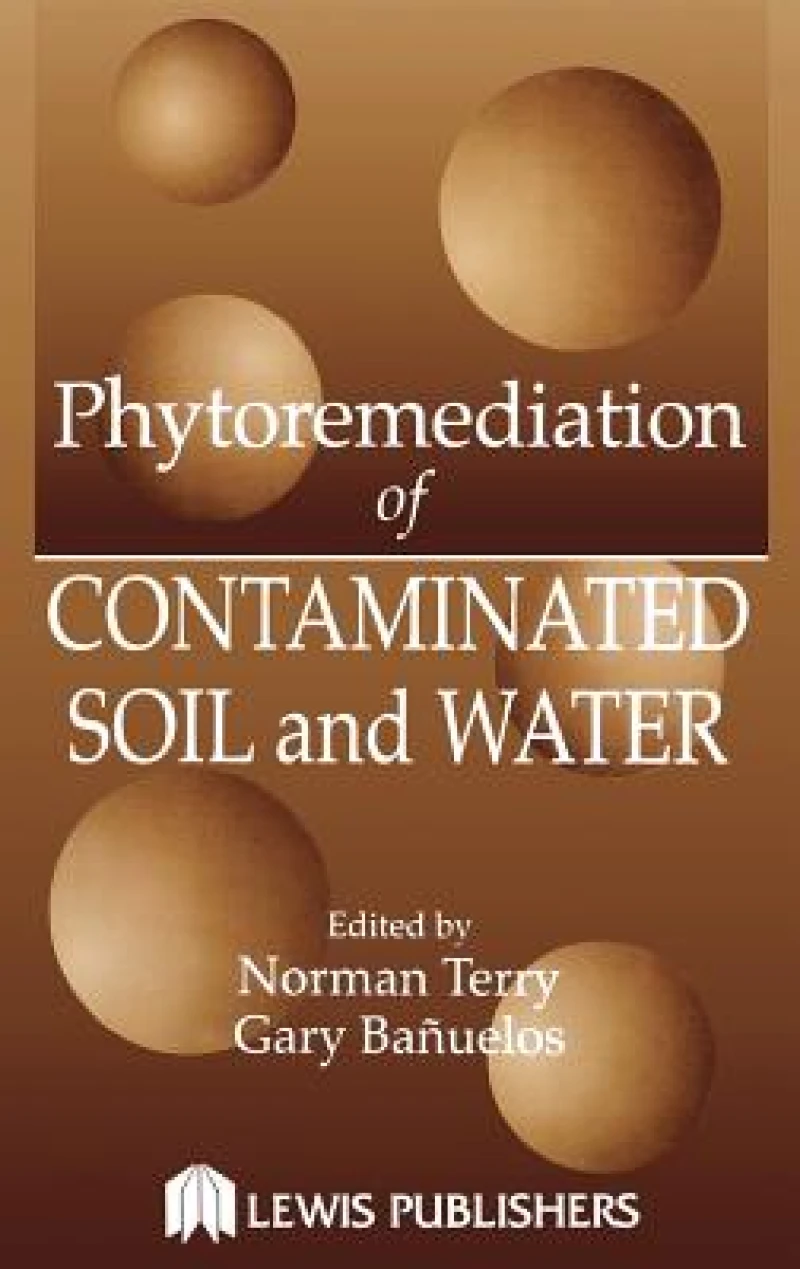
Phytoremediation of Contaminated Soil and Water
Book Details
Format
Hardback or Cased Book
ISBN-10
1566704502
ISBN-13
9781566704502
Publisher
Taylor & Francis Inc
Imprint
CRC Press Inc
Country of Manufacture
GB
Country of Publication
GB
Publication Date
Sep 24th, 1999
Print length
408 Pages
Weight
545 grams
Ksh 42,300.00
Werezi Extended Catalogue
0 in stock
Delivery Location
Delivery fee: Select location
Secure
Quality
Fast
As a safe, cost-effective method of relief from toxic contamination, phytoremediation is an alternative to methods of soil recovery. The implementation of phytoremediation depends on identifying plant material that is well adapted to specific toxic sites. This title explains the uses of specific plants for contaminants, including mercury and zinc.
Phytoremediation is an exciting, new technology that utilizes metal-accumulating plants to rid soil of heavy metal and radionuclides. Hyperaccumulation plants are an appealing and economical alternative to current methods of soil recovery. Phytoremediation of Contaminated Soil and Water is the most thorough literary examination of the subject available today.
The successful implementation of phytoremediation depends on identifying plant material that is well adapted to specific toxic sites. Gentle remediation is then applied in situ, or at the contamination site. No soil excavation or transport is necessary. This severely contains the potential risk of the pollutants entering the food chain. And it''s cost effective.
The progress of modern man has created many sites contaminated with heavy metals. The effected land is toxic to plants and animals , which creates considerable public interest in remediation. But the commonly used remedies are ex situ, which poses an expensive dilemma and an even greater threat. Phytoremediation offers the prospect of a cheaper and healthier way to deal with this problem. Read Phytoremediation of Contaminated Soil and Water to learn just how far this burgeoning technology has developed.
The successful implementation of phytoremediation depends on identifying plant material that is well adapted to specific toxic sites. Gentle remediation is then applied in situ, or at the contamination site. No soil excavation or transport is necessary. This severely contains the potential risk of the pollutants entering the food chain. And it''s cost effective.
The progress of modern man has created many sites contaminated with heavy metals. The effected land is toxic to plants and animals , which creates considerable public interest in remediation. But the commonly used remedies are ex situ, which poses an expensive dilemma and an even greater threat. Phytoremediation offers the prospect of a cheaper and healthier way to deal with this problem. Read Phytoremediation of Contaminated Soil and Water to learn just how far this burgeoning technology has developed.
Get Phytoremediation of Contaminated Soil and Water by at the best price and quality guaranteed only at Werezi Africa's largest book ecommerce store. The book was published by Taylor & Francis Inc and it has pages.

