

Playing Place : Board Games, Popular Culture, Space
Book Details
Format
Hardback
ISBN-10
0262047837
ISBN-13
9780262047838
Publisher
MIT Press Ltd
Imprint
MIT Press
Country of Manufacture
GB
Country of Publication
GB
Publication Date
Aug 15th, 2023
Print length
280 Pages
Weight
952 grams
Dimensions
21.00 x 26.20 x 2.20 cms
Product Classification:
Hobbies, quizzes & gamesHobbies, quizzes and games
KSh 6,500.00
Werezi Extended Catalogue
Delivery in 4 days
1 copies in stock
Delivery Location
Delivery fee: Select location
Delivery in 4 days
Secure
Quality
Fast
An essay collection exploring the board game’s relationship to the built environment, revealing the unexpected ways that play reflects perceptions of space.
Board games harness the creation of entirely new worlds. From the medieval warlord to the modern urban planner, players are permitted to inhabit a staggering variety of roles and are prompted to incorporate preexisting notions of placemaking into their decisions. To what extent do board games represent the social context of their production? How might they reinforce or subvert normative ideas of community and fulfillment? In Playing Place, Chad Randl and D. Medina Lasansky have curated a collection of thirty-seven fascinating essays, supplemented by a rich trove of photo illustrations, that unpack these questions with breadth and care.
Although board games are often recreational objects, their mythologies and infrastructure do not exist in a vacuum—rather, they echo and reproduce prevalent cultural landscapes. This thesis forms the throughline of pieces reflecting on subjects as diverse as the rigidly gendered fantasies of classic mass-market games; the imperial convictions embedded in games that position player-protagonists as conquerors establishing dominion over their “discoveries”; and even the uncanny prescience of games that have players responding to a global pandemic. Representing a thrilling convergence of historiography, architectural history, and media studies scholarship, Playing Place suggests not only that tabletop games should be taken seriously but also that the medium itself is uniquely capable of facilitating our critical consideration of structures that are often taken for granted.
Board games harness the creation of entirely new worlds. From the medieval warlord to the modern urban planner, players are permitted to inhabit a staggering variety of roles and are prompted to incorporate preexisting notions of placemaking into their decisions. To what extent do board games represent the social context of their production? How might they reinforce or subvert normative ideas of community and fulfillment? In Playing Place, Chad Randl and D. Medina Lasansky have curated a collection of thirty-seven fascinating essays, supplemented by a rich trove of photo illustrations, that unpack these questions with breadth and care.
Although board games are often recreational objects, their mythologies and infrastructure do not exist in a vacuum—rather, they echo and reproduce prevalent cultural landscapes. This thesis forms the throughline of pieces reflecting on subjects as diverse as the rigidly gendered fantasies of classic mass-market games; the imperial convictions embedded in games that position player-protagonists as conquerors establishing dominion over their “discoveries”; and even the uncanny prescience of games that have players responding to a global pandemic. Representing a thrilling convergence of historiography, architectural history, and media studies scholarship, Playing Place suggests not only that tabletop games should be taken seriously but also that the medium itself is uniquely capable of facilitating our critical consideration of structures that are often taken for granted.
Get Playing Place by Chad Randl, D. Medina Lasansky at the best price and quality guaranteed only at Werezi Africa's largest book ecommerce store. The book was published by MIT Press Ltd and it has 280 pages.
Customers Who Bought This Also Bought
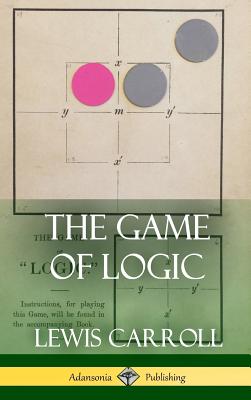
The Game of Logic (Hardcover)
KSh 4,100.00

Pride And Prejudice
KSh 2,500.00

Sense and Sensibility Deluxe Bookmark
KSh 1,600.00
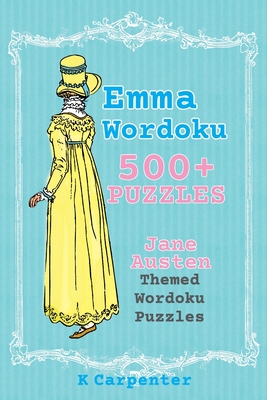
Emma Wordoku
KSh 1,550.00
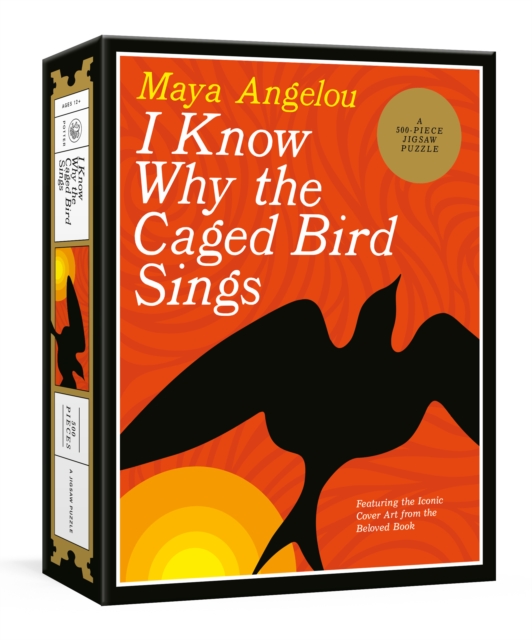
I Know Why the Caged Bird Sings: A 500-Piece Puzzle
KSh 3,400.00

CrimeBits 3: 100 Opening Gambits for Great Thrillers & Linked Mystery Puzzles
KSh 2,700.00

Mini Murdle Junior: Amazing Spring!
KSh 1,250.00

Bible Bingo
KSh 3,600.00

The Official Miss Marple Puzzle Book
KSh 3,050.00

A Sherlock Holmes Monopoly - An unofficial guide and outdoor activity (Standard B&W edition)
KSh 2,500.00
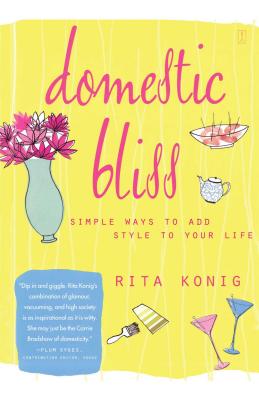
Domestic Bliss
KSh 3,400.00
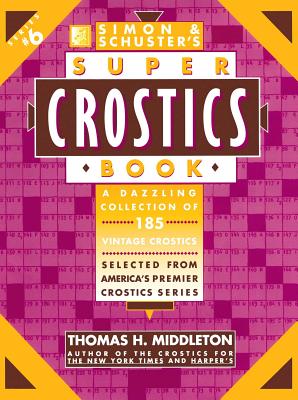
Simon & Schuster Super Crostics Book #6
KSh 4,300.00
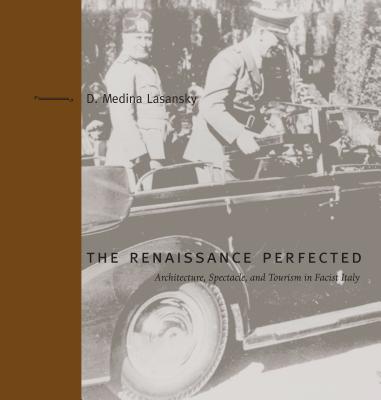
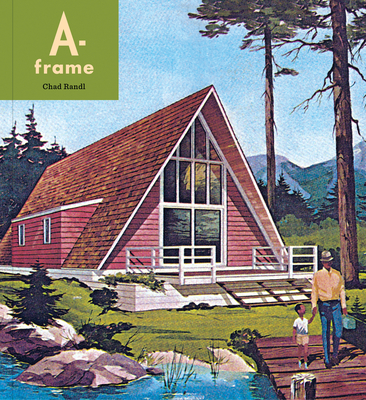
More by Chad Randl, D. Medina Lasansky

More in This Genre
The Game of Logic (Hardcover)
KSh 4,100.00
Pride And Prejudice
KSh 2,500.00
Sense and Sensibility Deluxe Bookmark
KSh 1,600.00
Emma Wordoku
KSh 1,550.00
I Know Why the Caged Bird Sings: A 500-Piece Puzzle
KSh 3,400.00
CrimeBits 3: 100 Opening Gambits for Great Thrillers & Linked Mystery Puzzles
KSh 2,700.00
