
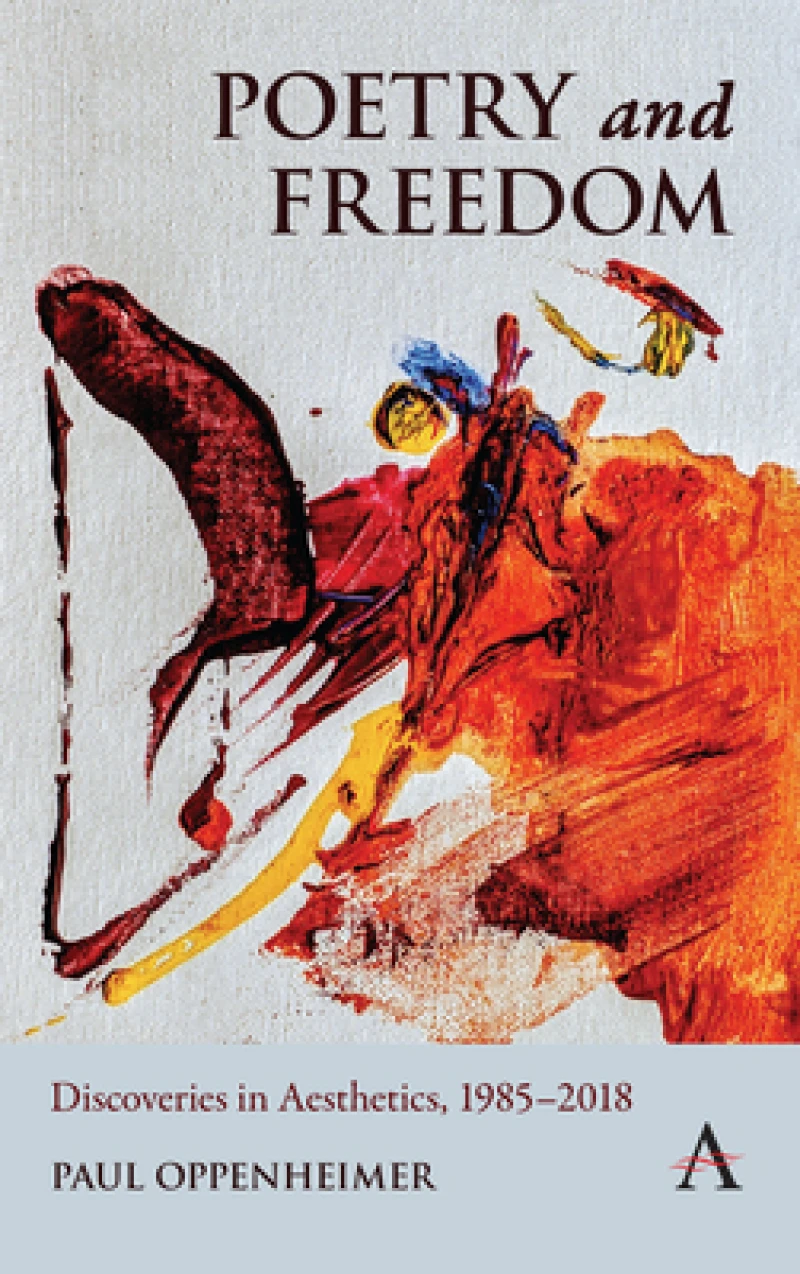
Poetry and Freedom: Discoveries in Aesthetics, 1985–2018
Book Details
Delivery Location
Delivery fee: Select location
This book offers a ground-breaking exploration of the aesthetics of poetic freedom, from antiquity to the present and from Europe and the Middle East into the poetry of the English-speaking world. Questions about the elusiveness of poetic freedom are tested vis-à-vis the works of Whitman, Dickinson, Rilke, Dante and Virgil that result in a fresh, and well-nigh revolutionary, way of seeing literary and modern history, or an initiation into the more striking gift of aesthetic freedom.
This book offers a ground-breaking exploration of the aesthetics of poetic freedom. The range is broad, from antiquity to the present and from Europe and the Middle East into the poetry of the English-speaking world. Revealing questions about the elusiveness of poetic freedomwhat does the term actually mean?are repeatedly tested against the accomplishments of major poets such as Whitman, Dickinson, Rilke, Dante and Virgil, and their public yet intensely private originality. The result is a fresh, and well-nigh revolutionary, way of seeing literary and modern history, or an initiation into the more striking gift of aesthetic freedom.
This book offers a ground-breaking exploration of the aesthetics of poetic freedom. The range is broad, from antiquity to the present and from Europe and the Middle East into the poetry of the English-speaking world. Silent reading is shown as developing for the first time since the fall of the Roman Empire into a fashionable way of reading, starting with the invention of the sonnet in the High Middle Ages. The social use of the word we, as when a society generalizes about itself, first appears in poetry in T.S. Eliots The Love Song of J. Alfred Prufrock. In Goethes Roman Elegies anachronism becomes a literary devicealso, it seems, for the first timeintroducing a novel timelessness essential to modern affirmations of infinity.
Revealing questions about the elusiveness of poetic freedomwhat does the term actually mean?are repeatedly tested against the accomplishments of major poets such as Whitman, Dickinson, Rilke, Dante and Virgil, and their public yet intensely private originality. The result is a fresh, and well-nigh revolutionary, way of seeing literary and modern history, or an initiation into the more striking gift of aesthetic freedom.
Get Poetry and Freedom: Discoveries in Aesthetics, 1985–2018 by at the best price and quality guaranteed only at Werezi Africa's largest book ecommerce store. The book was published by Anthem Press and it has pages.

