
Possessing Nature – Museums, Collecting & Scientific Culture in Early Modern Italy (Paper) : Museums, Collecting, and Scientific Culture in Early Modern Italy
Book Details
Format
Paperback / Softback
Book Series
Studies on the History of Society and Culture
ISBN-10
0520205081
ISBN-13
9780520205086
Publisher
University of California Press
Imprint
University of California Press
Country of Manufacture
US
Country of Publication
GB
Publication Date
Apr 2nd, 1996
Print length
449 Pages
Weight
724 grams
Dimensions
22.60 x 15.00 x 2.90 cms
Product Classification:
Museology and heritage studiesMuseology & heritage studiesEuropean historyEarly modern history: c 1450/1500 to c 1700Social & cultural historyHistoryEuropean historySocial and cultural historyMathematics & scienceMathematics and ScienceNatural historyNature and the natural world: general interest
Ksh 5,200.00
Werezi Extended Catalogue
Delivery in 14 days
1 copies in stock
Delivery Location
Delivery fee: Select location
Delivery in 14 days
Secure
Quality
Fast
In 1500 few Europeans regarded nature as a subject worthy of inquiry. Yet years later the first museums of natural history had appeared in Italy, dedicated to the marvels of nature. Drawing on archives of visitors' books, letters, and pleas for patronage, this title reconstructs the lost social world of Renaissance and Baroque museums.
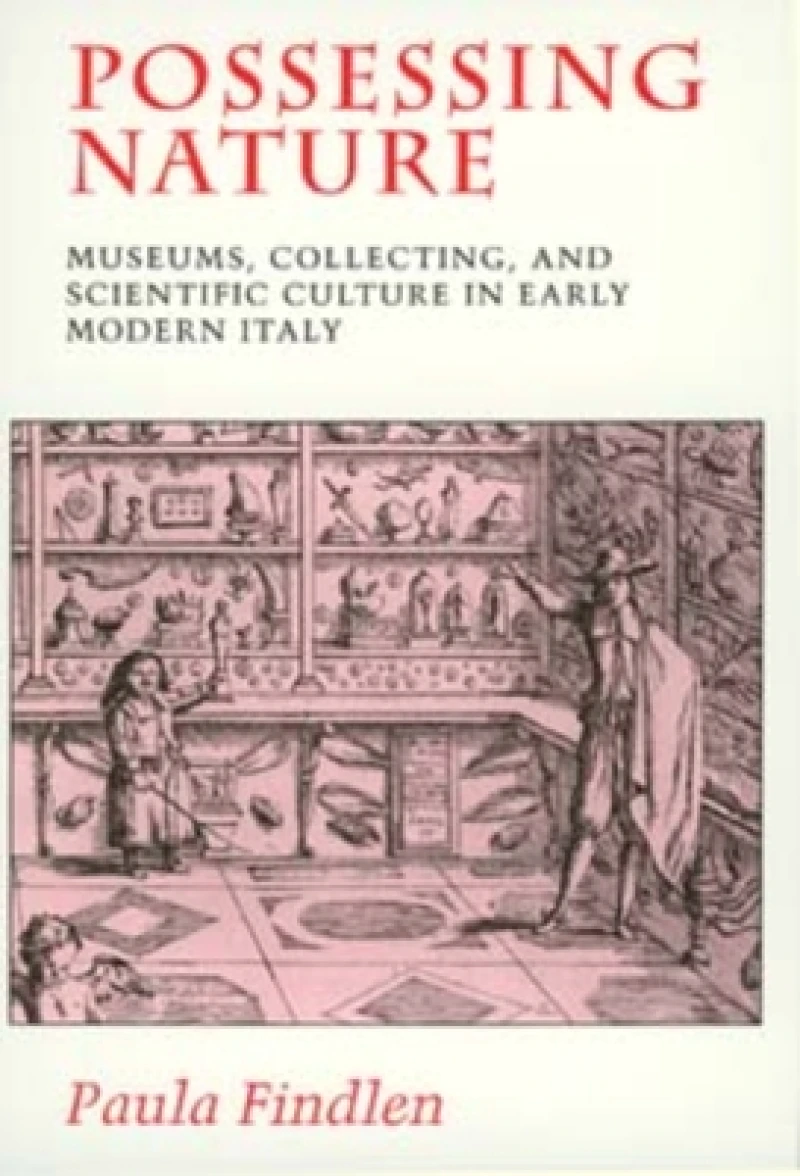
In 1500 few Europeans regarded nature as a subject worthy of inquiry. Yet fifty years later the first museums of natural history had appeared in Italy, dedicated to the marvels of nature. Italian patricians, their curiosity fueled by new voyages of exploration and the humanist rediscovery of nature, created vast collections as a means of knowing the world and used this knowledge to their greater glory. Drawing on extensive archives of visitors' books, letters, travel journals, memoirs, and pleas for patronage, Paula Findlen reconstructs the lost social world of Renaissance and Baroque museums. She follows the new study of natural history as it moved out of the universities and into sixteenth- and seventeenth-century scientific societies, religious orders, and princely courts. Findlen argues convincingly that natural history as a discipline blurred the border between the ancients and the moderns, between collecting in order to recover ancient wisdom and the development of new textual and experimental scholarship. Her vivid account reveals how the scientific revolution grew from the constant mediation between the old forms of knowledge and the new.
Get Possessing Nature – Museums, Collecting & Scientific Culture in Early Modern Italy (Paper) by at the best price and quality guaranteed only at Werezi Africa's largest book ecommerce store. The book was published by University of California Press and it has pages.

