
Book Details
Format
Paperback / Softback
Book Series
Interdisciplinary Communication Studies
ISBN-10
3039110322
ISBN-13
9783039110322
Edition
New
Publisher
Verlag Peter Lang
Imprint
Verlag Peter Lang
Country of Manufacture
CH
Country of Publication
GB
Publication Date
Sep 3rd, 2008
Print length
188 Pages
Weight
280 grams
Dimensions
15.20 x 22.70 x 1.20 cms
Ksh 8,500.00
Manufactured on Demand
0 in stock
Delivery Location
Delivery fee: Select location
Secure
Quality
Fast
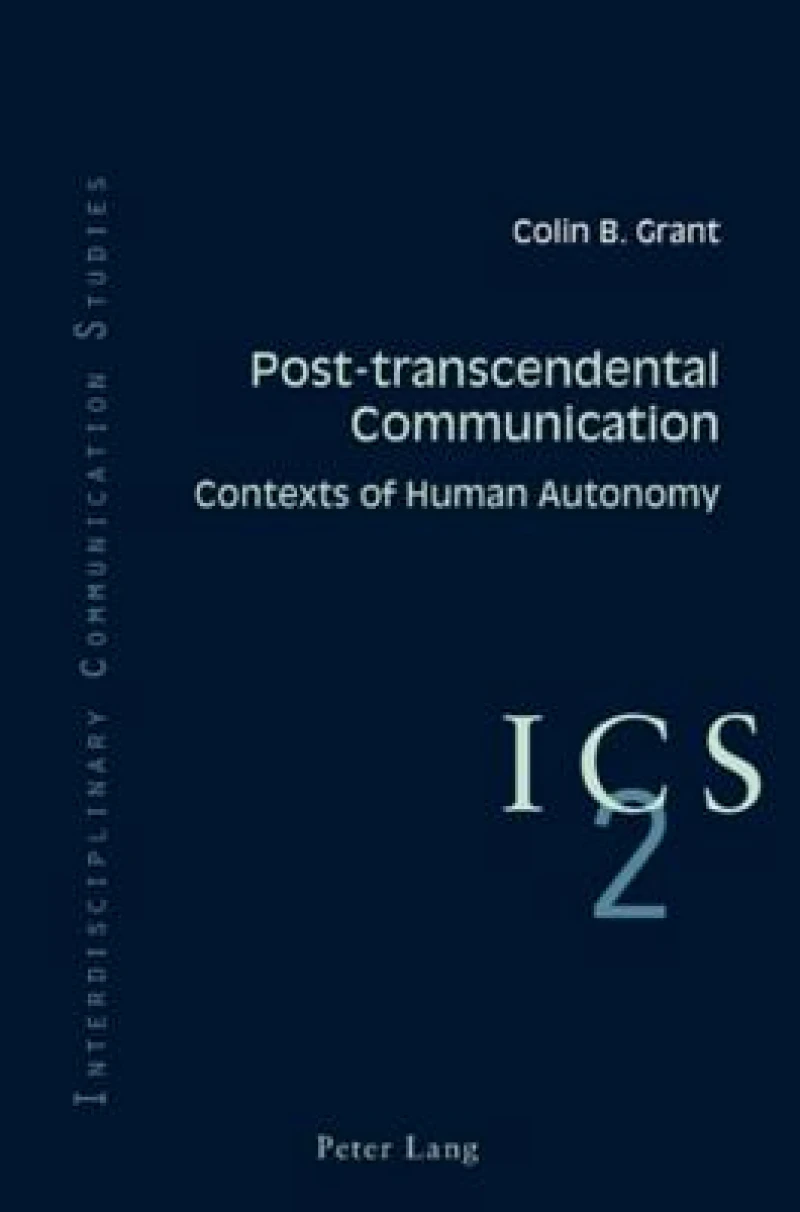
Compared with other human and social sciences, communication theory appears to be of recent origin. Appearances deceive, however, for the antecedents of this growing field of work can be found in the classic philosophical treatises of western and non-western thinkers including Plato, Sextus Empiricus and Laozi, reaching forward through the theolinguistic tradition of St Augustine, Boethius, Averroës and Ockham before arriving at the modern age. Following Wittgenstein’s linguistic turn and Husserl’s phenomenology in the early decades of the twentieth century, we arrive at the fertile plains of semiotics, information theory, pragmatics and dialogism out of which communication theory has grown. And yet an unresolved and historically non-coincidental tension remains between the implicit transcendental claims of much of communication theory and our experiences of risk, uncertainty and dissolution in what Zygmunt Bauman has described as our ‘liquid age’. As communication theory matures, it is an opportune moment to reflect on what form a detranscendentalised theory of communication might take. In bringing intentions, understandings, meanings and interactions down to earth this book invites its readers to account for the complex communications between communications, actors and social processes without recourse to transcendental theories of understanding.
Get Post-transcendental Communication by at the best price and quality guaranteed only at Werezi Africa's largest book ecommerce store. The book was published by Verlag Peter Lang and it has pages.

