Postcolonial Theory : Contexts, Practices, Politics
Book Details
Format
Paperback / softback
ISBN-10
1859840345
ISBN-13
9781859840344
Publisher
Verso Books
Imprint
Verso Books
Country of Manufacture
GB
Country of Publication
GB
Publication Date
Jun 17th, 1997
Print length
256 Pages
Weight
352 grams
Dimensions
15.50 x 23.30 x 1.90 cms
KSh 3,500.00
Currently unavailable
0 in stock
Delivery Location
Delivery fee: Select location
Secure
Quality
Fast
This comprehensive survey of the field of postcolonial theory presents the complex work of the principal representatives of postcolonial theory, Gayatri Spivak, Edward Said and Homi Bhabha. It considers the criticisms they have faced, from an alleged Eurocentrism to an obfuscatory prose style.
Much controversy has recently come to surround the status and value of postcolonial modes of cultural analysis. Postcolonial theory has been challenged on several fronts: on its interdisciplinary competence, on the politics of its institutional location, and its implicit will to have power over other kinds of postcolonial analysis, many of which have been established for much longer than postcolonial theory itself. The ensuing debate has often become so heated, even personalized, that the issues at stake have been obscured.
In what is the most comprehensive and accessible survey of the field to date, Bart Moore-Gilbert systematically examines the objections that have been raised against postcolonial theory, revealing the simplifications and exaggerations on both sides of the argument. He provides a detailed institutional history of the ways in which the relationship between culture and colonialism was traditionally studied in the West, then traces the emergence of alternative forms of postcolonial analysis of such questions. He gives an extremely careful presentation of the complex and elusive work of the three principal representatives of postcolonial theory, Gayatri Spivak, Edward Said and Homi Bhabha, and considers the criticisms they have faced, from an alleged Eurocentrism to an obfuscatory prose style. And he assesses the overlaps and differences between postcolonial theory and other forms of postcolonial criticism. Finally he considers the ways in which postcolonial analysis may be connected with different histories of oppression, and looks at how such a heterogeneous theory can be reconciled with political questions of solidarity and alliance in the continuing struggle for cultural decolonization.
In what is the most comprehensive and accessible survey of the field to date, Bart Moore-Gilbert systematically examines the objections that have been raised against postcolonial theory, revealing the simplifications and exaggerations on both sides of the argument. He provides a detailed institutional history of the ways in which the relationship between culture and colonialism was traditionally studied in the West, then traces the emergence of alternative forms of postcolonial analysis of such questions. He gives an extremely careful presentation of the complex and elusive work of the three principal representatives of postcolonial theory, Gayatri Spivak, Edward Said and Homi Bhabha, and considers the criticisms they have faced, from an alleged Eurocentrism to an obfuscatory prose style. And he assesses the overlaps and differences between postcolonial theory and other forms of postcolonial criticism. Finally he considers the ways in which postcolonial analysis may be connected with different histories of oppression, and looks at how such a heterogeneous theory can be reconciled with political questions of solidarity and alliance in the continuing struggle for cultural decolonization.
Get Postcolonial Theory by Bart Moore-Gilbert at the best price and quality guaranteed only at Werezi Africa's largest book ecommerce store. The book was published by Verso Books and it has 256 pages.
Customers Who Bought This Also Bought

How to Read a Book
KSh 2,000.00
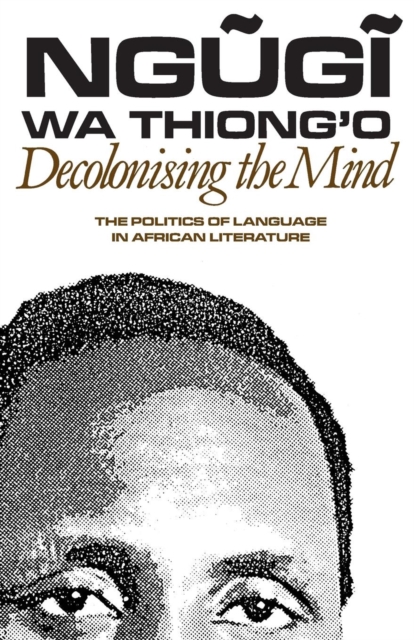
Decolonising the Mind
KSh 4,700.00

How to Read & Why
KSh 2,350.00

Arabian Nights'' Entertainments
KSh 2,950.00
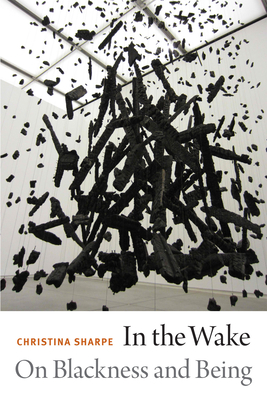
In the Wake
KSh 3,600.00
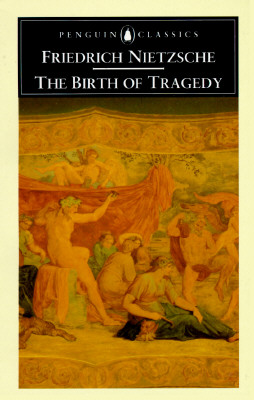
The Birth of Tragedy
KSh 1,800.00
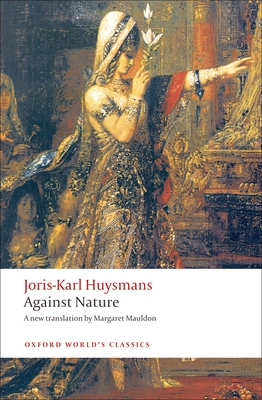
Against Nature
KSh 1,800.00
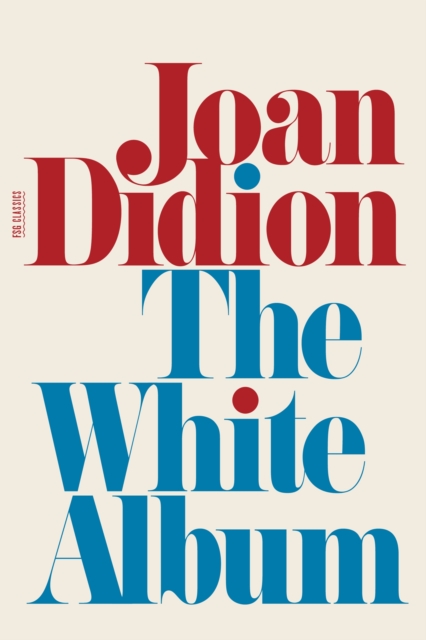
The White Album
KSh 3,250.00
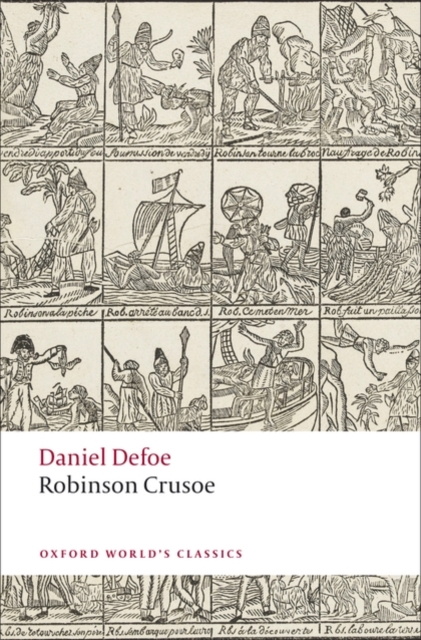
Robinson Crusoe
KSh 1,450.00
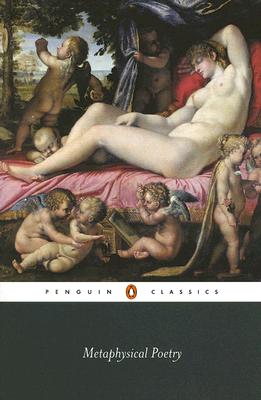
Metaphysical Poetry
KSh 2,350.00
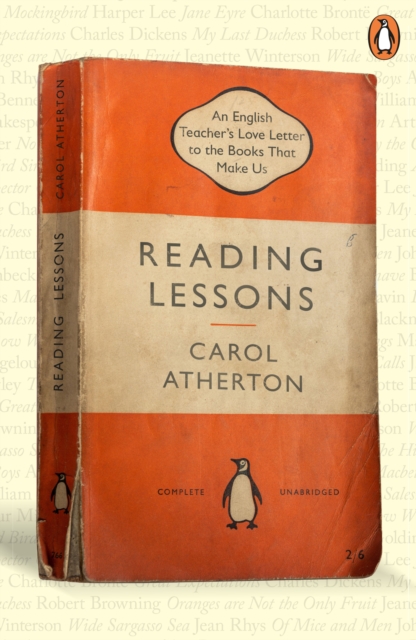
Reading Lessons
KSh 2,350.00

Literature Book
KSh 4,250.00