
Cart 0
Posthuman Capital and Biotechnology in Contemporary Novels
Click to zoom

Share this book

Posthuman Capital and Biotechnology in Contemporary Novels

1st ed. 2019

Book Details

Format Paperback / Softback
ISBN-10 3030262596
ISBN-13 9783030262594
Edition 1st ed. 2019
Publisher Springer Nature Switzerland AG
Imprint Springer Nature Switzerland AG
Country of Manufacture GB
Country of Publication GB
Publication Date Oct 14th, 2020
Print length 187 Pages
Ksh 12,600.00
Werezi Extended Catalogue Delivery in 28 days

Delivery Location

Delivery fee: Select location

Delivery in 28 days

Secure
Quality
Fast
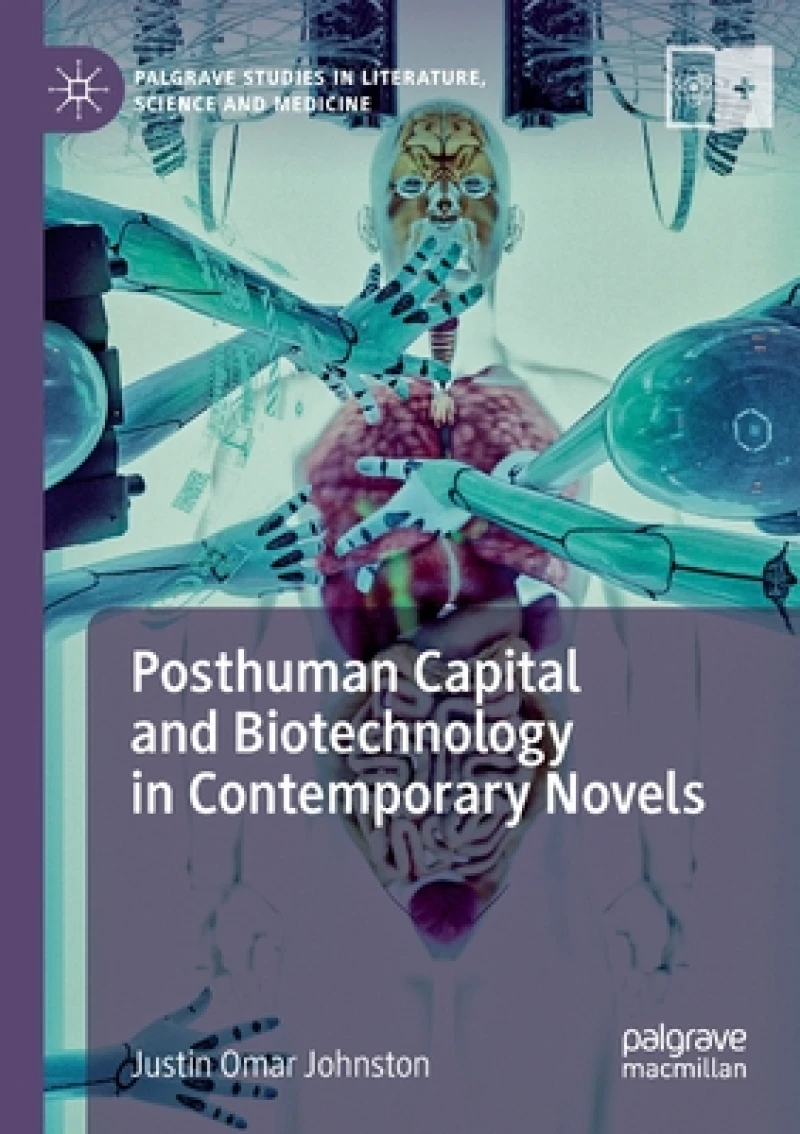
This book examines several distinctive literary figurations of posthuman embodiment as they proliferate across a range of internationally acclaimed contemporary novels: clones in Kazuo Ishiguro’s Never Let Me Go, animal-human hybrids in Margaret Atwood’s Oryx and Crake, toxic bodies in Indra Sinha’s Animal’s People, and cyborgs in Jeanette Winterson’s The Stone Gods. While these works explore the transformational power of the “biotech century,” they also foreground the key role human capital theory has played in framing human belonging as an aspirational category that is always and structurally just out of reach, making contemporary subjects never-human-enough. In these novels, the dystopian character of human capital theory is linked to fantasies of apocalyptic release. As such, these novels help expose how two interconnected genres of futurity (the dystopian and the apocalyptic) work in tandem to propel each other forward so that fears of global disaster become alibis for dystopian control, which, in turn, becomes the predicate for intensifying catastrophes. In analyzing these novels, Justin Omar Johnston draws attention to the entanglement of bodies in technological environments, economic networks, and deteriorating ecological settings. 

This book examines several distinctive literary figurations of posthuman embodiment as they proliferate across a range of internationally acclaimed contemporary novels: clones in Kazuo Ishiguro''s Never Let Me Go, animal-human hybrids in Margaret Atwood''s Oryx and Crake, toxic bodies in Indra Sinha''s Animal''s People, and cyborgs in Jeanette Winterson''s The Stone Gods. While these works explore the transformational power of the "biotech century," they also foreground the key role human capital theory has played in framing human belonging as an aspirational category that is always and structurally just out of reach, making contemporary subjects never-human-enough. In these novels, the dystopian character of human capital theory is linked to fantasies of apocalyptic release. As such, these novels help expose how two interconnected genres of futurity (the dystopian and the apocalyptic) work in tandem to propel each other forward so that fears of global disaster become alibis for dystopian control, which, in turn, becomes the predicate for intensifying catastrophes. In analyzing these novels, Justin Omar Johnston draws attention to the entanglement of bodies in technological environments, economic networks, and deteriorating ecological settings. 


Get Posthuman Capital and Biotechnology in Contemporary Novels by at the best price and quality guaranteed only at Werezi Africa's largest book ecommerce store. The book was published by Springer Nature Switzerland AG and it has pages.


Mind, Body, & Spirit

Price

Ksh 12,600.00

Shopping Cart

Africa largest book store

Sub Total:
Ebooks

Digital Library
Coming Soon

Our digital collection is currently being curated to ensure the best possible reading experience on Werezi. We'll be launching our Ebooks platform shortly.