
Cart 0
Posthuman Suffering and the Technological Embrace
Click to zoom

Share this book

Posthuman Suffering and the Technological Embrace

Book Details

Format Hardback or Cased Book
ISBN-10 0739126334
ISBN-13 9780739126332
Publisher Bloomsbury Publishing Plc
Imprint Lexington Books
Country of Manufacture GB
Country of Publication GB
Publication Date Jan 25th, 2010
Print length 156 Pages
Weight 379 grams
Dimensions 24.00 x 16.20 x 1.50 cms
Ksh 17,300.00
Manufactured on Demand 0 in stock

Delivery Location

Delivery fee: Select location

Secure
Quality
Fast
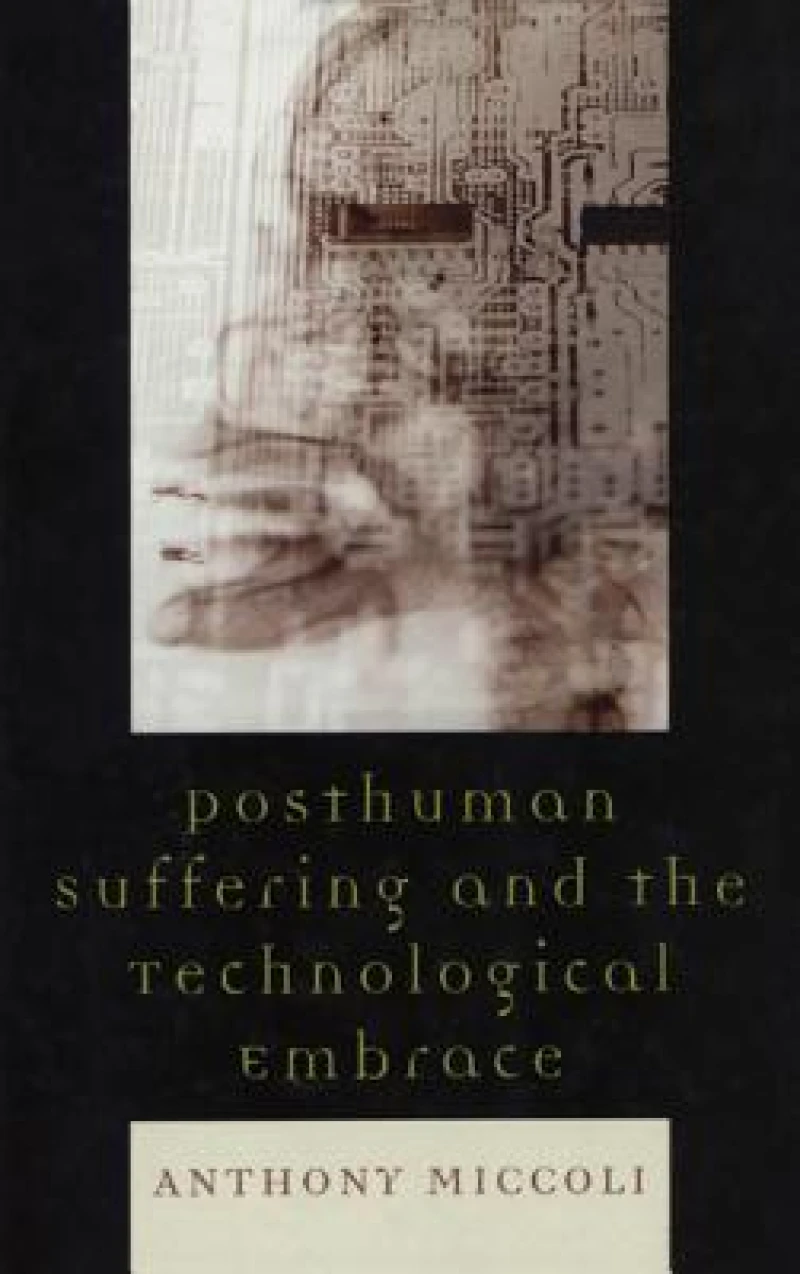
Posthumanism portrays technology as an "other" to be embraced, and consequently has lost sight of the basic realities of human/technological boundary. Technology becomes a superior model of information processing to which humans aspire. Posthuman Suffering contends that we do not embrace technology to expand and augment our selves, we embrace technology so that it may embrace us. Finally and most importantly, the posthuman view reconceptualizes the human being to be made more compatible with computerized systems or possible artificial intelligences. In the age of technology our own limitations are legitimized as unique to the human condition. Through those limitations, we can distinguish ourselves from our machines, making us superior to them via our own imperfection. Posthumanist discourse from scholars such as N. Katherine Hayles, Donna Haraway, and others, often fails to address the underlying meaning behind our technological aspirations, and actually perpetuates the belief that properly embracing technology allows us to overcome the very need to technology itself; if we possess the right apparatus to take in the world and the code which instantiates it, then the world will give us everything it has to offer. In so doing, we sacrifice the objective of experiencing the world for the object through which it should be experienced. By revealing the theoretical and historical foundations of posthumanism through the work of Elaine Scarry, Freud, Heidegger, and Lyotard; and tracing narrative representations of failed posthuman ontologies in Thomas Pynchon's The Crying of Lot 49, Don DeLillo's White Noise and Steven Spielberg's film, AI: Artificial Intelligence, Posthuman Suffering and the Technological Embrace re-frames the core assumptions of posthumanism in terms of psychological trauma and the physicality of the human/technological interface itself.
Posthumanism portrays technology as an "other" to be embraced, and consequently has lost sight of the basic realities of human/technological boundary. Technology becomes a superior model of information processing to which humans aspire. Posthuman Suffering contends that we do not embrace technology to expand and augment our selves, we embrace technology so that it may embrace us. Finally and most importantly, the posthuman view reconceptualizes the human being to be made more compatible with computerized systems or possible artificial intelligences. In the age of technology our own limitations are legitimized as unique to the human condition. Through those limitations, we can distinguish ourselves from our machines, making us superior to them via our own imperfection. Posthumanist discourse from scholars such as N. Katherine Hayles, Donna Haraway, and others, often fails to address the underlying meaning behind our technological aspirations, and actually perpetuates the belief that properly embracing technology allows us to overcome the very need to technology itself; if we possess the right apparatus to take in the world and the code which instantiates it, then the world will give us everything it has to offer. In so doing, we sacrifice the objective of experiencing the world for the object through which it should be experienced. By revealing the theoretical and historical foundations of posthumanism through the work of Elaine Scarry, Freud, Heidegger, and Lyotard; and tracing narrative representations of failed posthuman ontologies in Thomas Pynchon''s The Crying of Lot 49, Don DeLillo''s White Noise and Steven Spielberg''s film, AI: Artificial Intelligence, Posthuman Suffering and the Technological Embrace re-frames the core assumptions of posthumanism in terms of psychological trauma and the physicality of the human/technological interface itself.

Get Posthuman Suffering and the Technological Embrace by at the best price and quality guaranteed only at Werezi Africa's largest book ecommerce store. The book was published by Bloomsbury Publishing Plc and it has pages.


Mind, Body, & Spirit

Shopping Cart

Africa largest book store

Sub Total:
Ebooks

Digital Library
Coming Soon

Our digital collection is currently being curated to ensure the best possible reading experience on Werezi. We'll be launching our Ebooks platform shortly.