
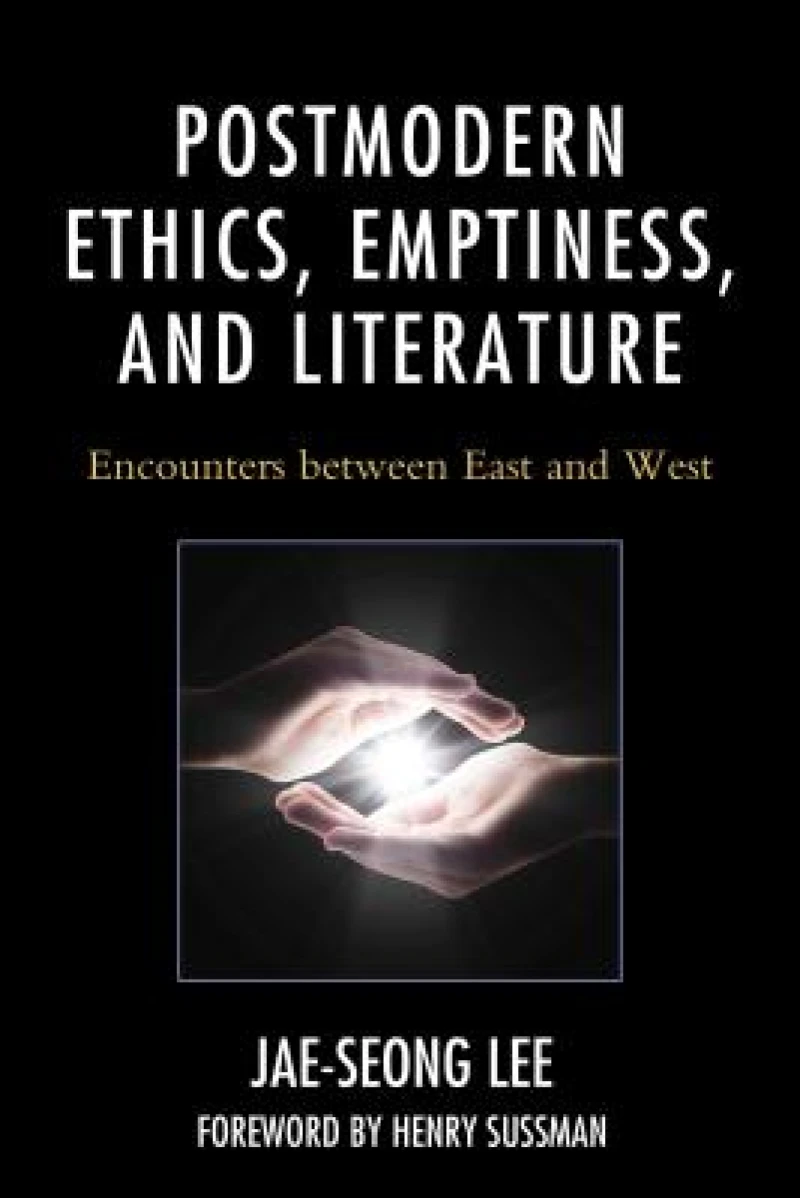
Postmodern Ethics, Emptiness, and Literature : Encounters between East and West
Book Details
Delivery Location
Delivery fee: Select location
This study advances contemporary postmodern/poststructural critical theory, literary criticism in particular, with the help of Mahayana—especially Ch’an/Seon (Chinese and Korean Zen)—Buddhist thought. The quest for theinfinity of the Other (West) and Emptiness or the true I (East) contributes to the exploration of the contemporary critical issues of ethics and infinity. Such an approach will awaken our sense of unrepresented, genuine transcendence and immanence; The Buddhist Emptiness shows us the absolute Other illuminated on a vaster scale. The theory section explores and links Eastern and Western philosophies, switching between the two. While discussing in depth Hegel, Nietzsche, Heidegger, Derrida, Levinas, Lacan, Deleuze, and Nancy, this study gradually guides the reader from the contemporary Western thought on the Other and infinity to the Buddhist vision of Emptiness, the ultimate reality. To overcome the dualistic mode of thought inherent in tradition of Western metaphysics, this exploration follows the line that observes Nagarjuna and the imprint of Ch’an teachings that are most prevalent in South Korean Buddhism. The last three chapters demonstrate a Levinasian and Seon Buddhist approach to the book of Job, part of the Judeo-Christian Bible, as being a more literary than religious text, and the excess of the Gothic mood in the two most distinguished and widely celebrated novels—Bram Stoker’s Dracula and Mary Shelley’s Frankenstein. The three texts compel readers to confront the infinity of the absolute Other or Emptiness.
The Grand Prize Winner of the 7th Wonhyo Academic Awards from the Korean Buddhism Promotion Foundation.
Get Postmodern Ethics, Emptiness, and Literature by at the best price and quality guaranteed only at Werezi Africa's largest book ecommerce store. The book was published by Bloomsbury Publishing Plc and it has pages.

