

Postrevolutionary Peru : The Politics Of Transformation
Book Details
Format
Hardback
ISBN-10
0367283999
ISBN-13
9780367283995
Publisher
Taylor & Francis Ltd
Imprint
Routledge
Country of Manufacture
GB
Country of Publication
GB
Publication Date
May 7th, 2019
Print length
272 Pages
Weight
660 grams
Product Classification:
Politics & governmentPolitics and government
KSh 30,950.00
Currently unavailable
0 in stock
Delivery Location
Delivery fee: Select location
Secure
Quality
Fast
This book examines the social, political, and economic legacies of the military government and identifies major areas of tension that are likely to pose problems for the new civilian government.
Whether the nearly twelve years of military rule in Peru--between October 1968 and July 1980--are labelled a revolution, œso-called revolution, or simply a ‘military dictatorship’, one fact remains inescapable: the reforms and programs of the armed forces during that period profoundly altered Peruvian society. This book examines the social, political, and economic legacies of the military government and identifies major areas of tension that are likely to pose problems for the new civilian government. Following a review of the ideology, socio-economic goals, and political performance of the Institutional Revolution of the Armed Forces, the authors analyze the contemporary political economy of Peru and catalog the political and economic policy alternatives available to the Belaúnde regime in the next few years. They discuss the return to partisan politics in Peru, urban and rural conditions, and the way in which real political power has remained with the military forces, despite their surrender of formal authority. Subsequent chapters outline the IMF-imposed stabilization program, revealing its devastating effects on Lima''s urban poor, and summarize recent Peruvian foreign policy. A final chapter draws on the prior discussion to present a critical analysis of the transitionary process from military to civilian rule in Peru.
Get Postrevolutionary Peru by Stephen M. Gorman at the best price and quality guaranteed only at Werezi Africa's largest book ecommerce store. The book was published by Taylor & Francis Ltd and it has 272 pages.
Customers Who Bought This Also Bought
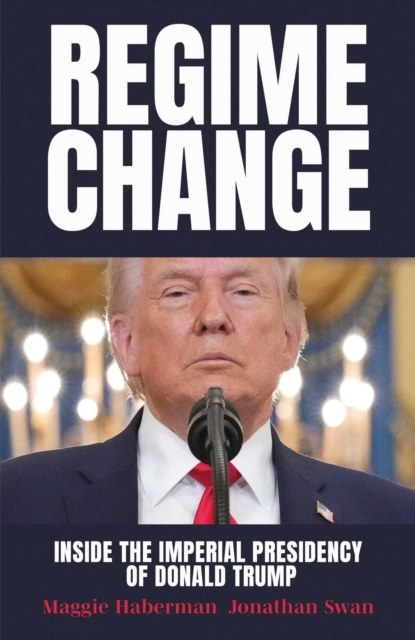
Regime Change
KSh 5,050.00
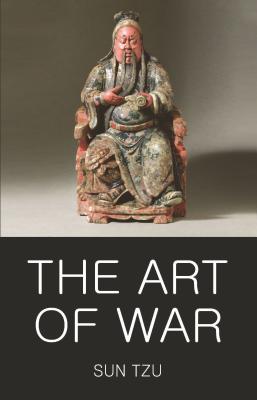
Art of War / The Book of Lord Shang
KSh 1,100.00
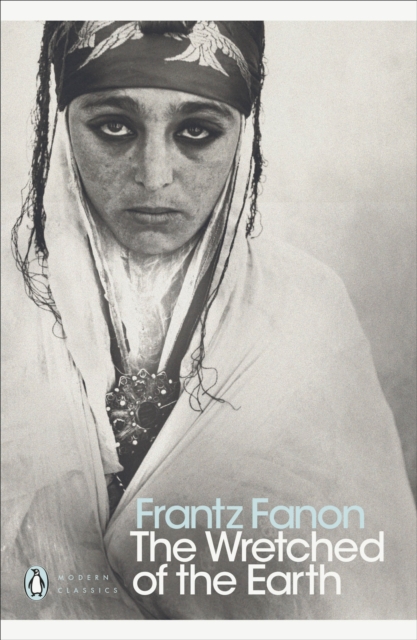
Wretched of the Earth
KSh 2,000.00

White Saviorism In International Development
KSh 3,800.00
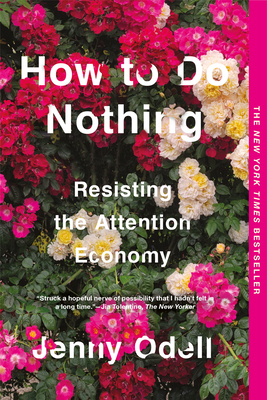
How To Do Nothing
KSh 2,700.00
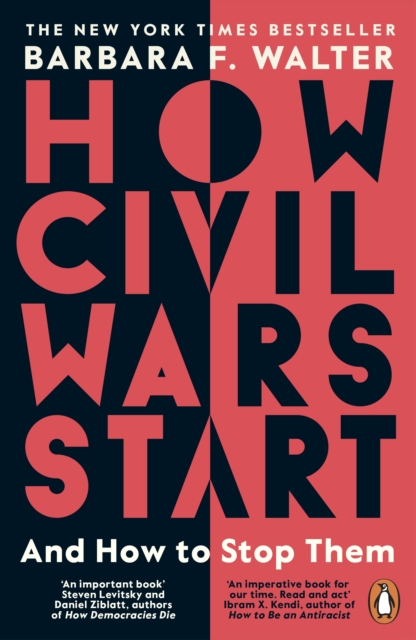
How Civil Wars Start
KSh 2,000.00
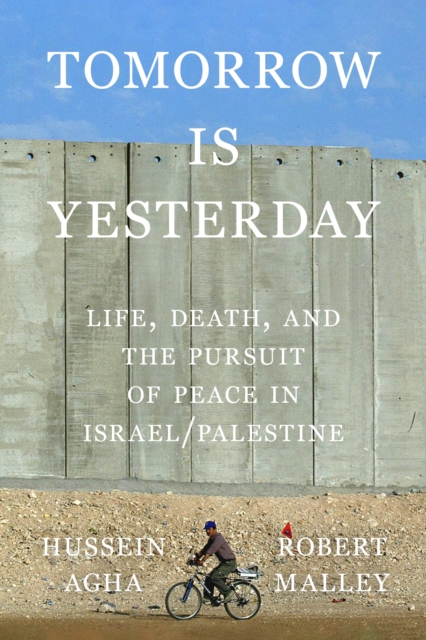
Tomorrow Is Yesterday
KSh 4,700.00

The Thinking Machine
KSh 2,350.00

Second Treatise of Government – Norton Library
KSh 1,600.00

Becoming
KSh 2,350.00

A River in Darkness
KSh 1,250.00
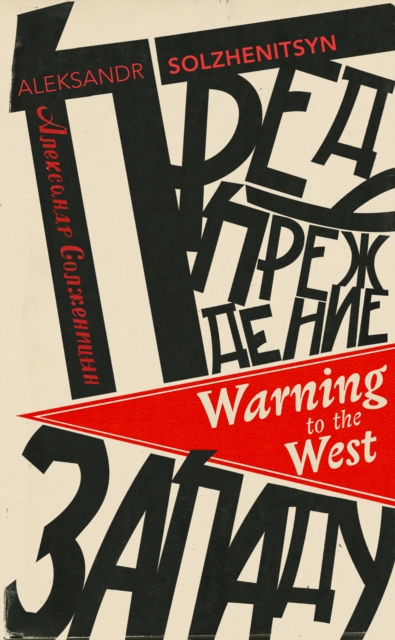
Warning to the West
KSh 1,600.00