

Poverty Rebels : Black and Brown Protest in Post–Civil Rights America
Book Details
Format
Paperback / softback
Book Series
Justice, Power, and Politics
ISBN-10
1469684675
ISBN-13
9781469684673
Publisher
The University of North Carolina Press
Imprint
The University of North Carolina Press
Country of Manufacture
GB
Country of Publication
GB
Publication Date
Mar 25th, 2025
Print length
216 Pages
KSh 4,850.00
Currently unavailable
0 in stock
Delivery Location
Delivery fee: Select location
Secure
Quality
Fast
Argues that Black-Brown relations gained greater national significance during the mid-1960s amid important civil rights victories and social policies to address so-called disadvantaged communities
In 1960s Los Angeles, a powerful network within Black and Chicana/o organizations transformed the War on Poverty and Model Cities program. Black and Brown activists worked together and separately to use the US federal government's War on Poverty as an opportunity to establish programs that would counteract the neglect that led to underfunded schools, inadequate housing, and a lack of community institutions. Casey Nichols examines this diverse group of intentional and unintentional collaborators she calls "poverty rebels," which included politicians, activists, youth, professionals, community members, and local people.
Poverty rebels leveraged federal antipoverty funding to work around the limited capacity of the Civil Rights Act of 1964 to address the dual impact of race and class in African American and Mexican American communities. They understood that unequal policy had created their urban realities and sought to redefine antipoverty legislation in a way that improved their material lives. Drawing on a wide range of sources, including local and federal government documents, oral histories, and organizational records, Nichols examines vital links between the nation's social and political spheres. Ultimately, she argues that Black-Brown relations gained greater national significance during the mid-1960s amid important civil rights victories and social policies to address so-called disadvantaged communities. By coming into social and political proximity, African Americans and Mexican Americans constructed a national dialogue about Black-Brown relations that had shared benefits, and that continues to shape policy debates today.
Poverty rebels leveraged federal antipoverty funding to work around the limited capacity of the Civil Rights Act of 1964 to address the dual impact of race and class in African American and Mexican American communities. They understood that unequal policy had created their urban realities and sought to redefine antipoverty legislation in a way that improved their material lives. Drawing on a wide range of sources, including local and federal government documents, oral histories, and organizational records, Nichols examines vital links between the nation's social and political spheres. Ultimately, she argues that Black-Brown relations gained greater national significance during the mid-1960s amid important civil rights victories and social policies to address so-called disadvantaged communities. By coming into social and political proximity, African Americans and Mexican Americans constructed a national dialogue about Black-Brown relations that had shared benefits, and that continues to shape policy debates today.
Get Poverty Rebels by Casey D. Nichols at the best price and quality guaranteed only at Werezi Africa's largest book ecommerce store. The book was published by The University of North Carolina Press and it has 216 pages.
Customers Who Bought This Also Bought
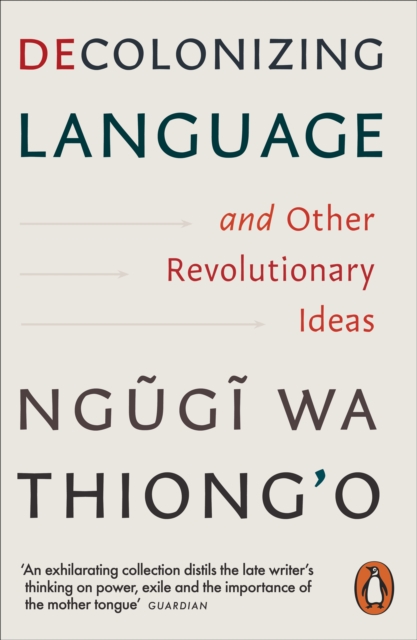
Decolonizing Language and Other Revolutionary Ideas
KSh 2,350.00
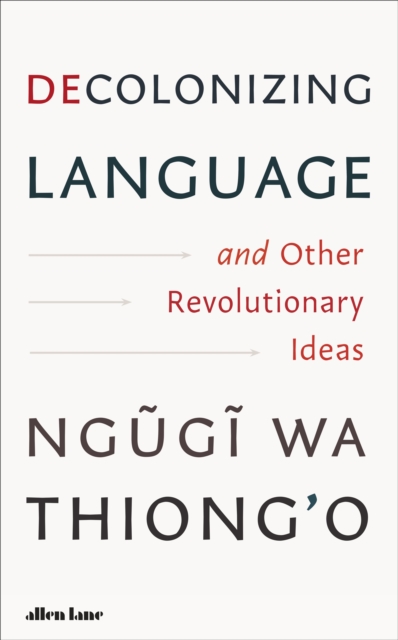
Decolonizing Language and Other Revolutionary Ideas
KSh 3,600.00
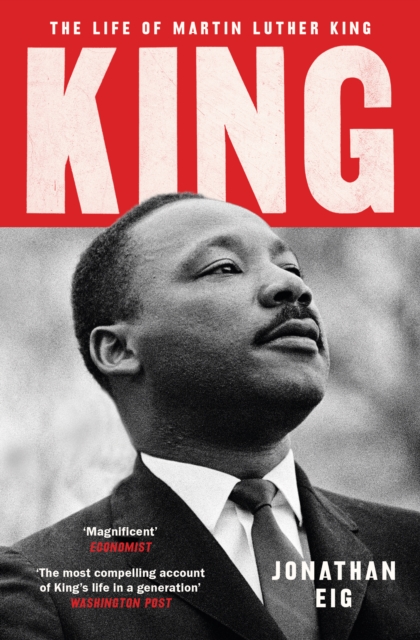
King
KSh 2,700.00
Caste
KSh 2,700.00
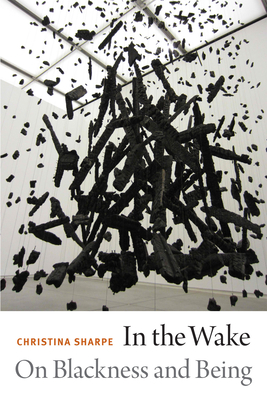
In the Wake
KSh 3,600.00
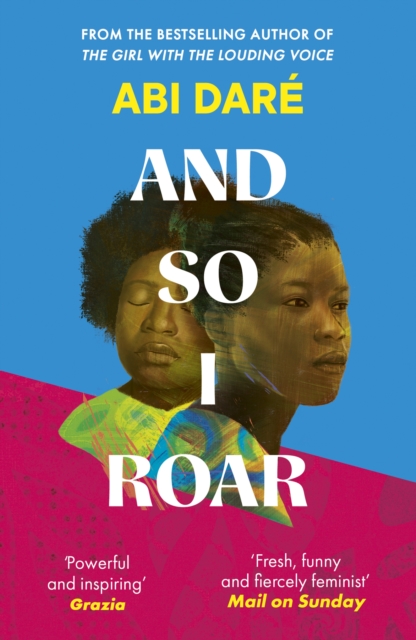
And So I Roar
KSh 2,000.00

Invisible Women
KSh 2,350.00

Africa''s Tarnished Name
KSh 700.00
Equality
KSh 2,150.00

Pedagogy of the Oppressed
KSh 2,000.00
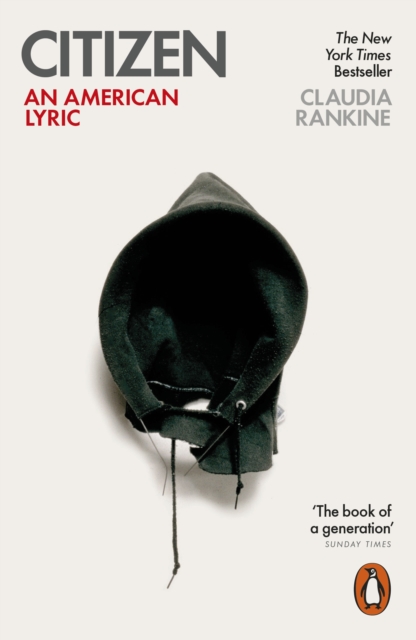
Citizen
KSh 2,350.00

Winners Take All
KSh 2,350.00

