
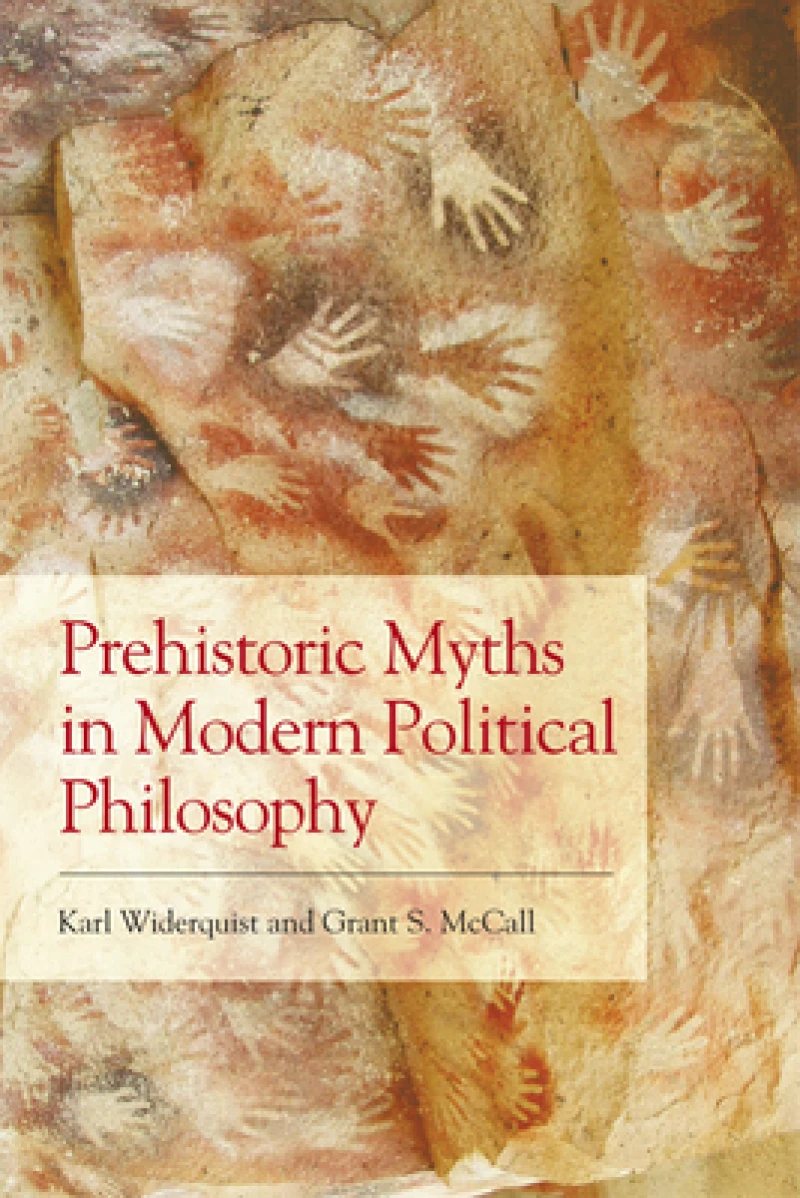
Prehistoric Myths in Modern Political Philosophy : Challenging Stone Age Stories
Book Details
Format
Hardback or Cased Book
ISBN-10
0748678662
ISBN-13
9780748678662
Publisher
Edinburgh University Press
Imprint
Edinburgh University Press
Country of Manufacture
GB
Country of Publication
GB
Publication Date
Jan 31st, 2017
Print length
272 Pages
Weight
582 grams
Dimensions
24.30 x 16.50 x 2.00 cms
Ksh 18,900.00
Werezi Extended Catalogue
0 in stock
Delivery Location
Delivery fee: Select location
Secure
Quality
Fast
The state of nature, the origin of property, the origin of government, the primordial nature of inequality and war why do political philosophers talk so much about the Stone Age? Widerquist and McCall draw on archaeology and anthropology to show that much of what we think we know about human origins comes from philosophers' imaginations.
How modern philosophers use and perpetuate myths about prehistory The state of nature, the origin of property, the origin of government, the primordial nature of inequality and war - why do political philosophers talk so much about the Stone Age? And are they talking about a Stone Age that really happened, or is it just a convenient thought experiment to illustrate their points? Karl Widerquist and Grant S. McCall take a philosophical look at the origin of civilisation, examining political theories to show how claims about prehistory are used. Drawing on the best available evidence from archaeology and anthropology, they show that much of what we think we know about human origins comes from philosophers'' imagination, not scientific investigation. Key Features Shows how modern political theories employ ambiguous factual claims about prehistory Brings archaeological and anthropological evidence to bear on those claims Tells the story of human origins in a way that reveals many commonly held misconceptions
Get Prehistoric Myths in Modern Political Philosophy by at the best price and quality guaranteed only at Werezi Africa's largest book ecommerce store. The book was published by Edinburgh University Press and it has pages.

