

Prejudice : A Study in Non-Ideal Epistemology
by
Endre Begby
Book Details
Format
Hardback
ISBN-10
0198852835
ISBN-13
9780198852834
Publisher
Oxford University Press
Imprint
Oxford University Press
Country of Manufacture
GB
Country of Publication
GB
Publication Date
Apr 22nd, 2021
Print length
228 Pages
Weight
414 grams
Dimensions
22.10 x 14.40 x 2.00 cms
KSh 8,050.00
Currently unavailable
0 in stock
Delivery Location
Delivery fee: Select location
Secure
Quality
Fast
Prejudiced beliefs may certainly seem like defective beliefs. But in what sense? Endre Begby argues that it is a mistake to think of prejudice as the result of epistemic irresponsibility: prejudiced belief is often epistemically justified. Avoiding harmful prejudice is a matter of ethical responsibility not epistemic responsibility.
Prejudiced beliefs may certainly seem like defective beliefs. But in what sense are they defective? Many will be false and harmful, but philosophers have further argued that prejudiced belief is defective also in the sense that it could only arise from distinctive kinds of epistemic irrationality: we could acquire or retain our prejudiced beliefs only by violating our epistemic responsibilities. It is also assumed that we are only morally responsible for the harms that prejudiced beliefs cause because, in forming these beliefs in the first place, we are violating our epistemic responsibilities. In Prejudice, Endre Begby argues that these common convictions are misguided. His discussion shows in detail that there are many epistemically justified pathways to prejudiced belief, and that it is a mistake to lean on the concept of epistemic responsibility to articulate our ethical responsibilities. Doing so unreasonably burdens victims of prejudice with having to show that their victimizers were in a position to know better. Accordingly, Begby provides an account of moral responsibility for harm which does not depend on finding grounds for epistemic blame. This view is supported by a number of examples and case studies at individual, collective, and institutional levels of decision making. Additionally, Begby develops a systematic platform for "non-ideal epistemology" which would apply to a wide range of other social and epistemic phenomena of current concern, such as fake news, conspiracy theories, science scepticism, and more.
Get Prejudice by Endre Begby at the best price and quality guaranteed only at Werezi Africa's largest book ecommerce store. The book was published by Oxford University Press and it has 228 pages.
Customers Who Bought This Also Bought

A Treatise of Human Nature
KSh 2,700.00

Critique of Pure Reason
KSh 3,400.00

Sensuous Knowledge
KSh 4,500.00

Critique of Pure Reason, Abridged
KSh 3,600.00
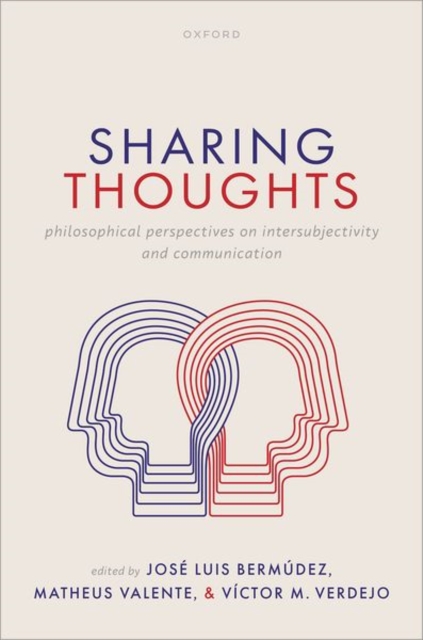
Sharing Thoughts
KSh 17,000.00

The Critique of Pure Reason
KSh 6,450.00

Critique of Pure Reason
KSh 7,250.00

An Inquiry Into Meaning and Truth
KSh 3,750.00

Intelligence and Spirit
KSh 5,750.00
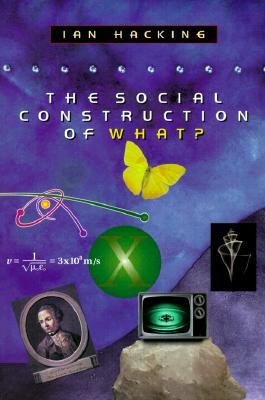
The Social Construction of What?
KSh 5,200.00

Discourse on Method and Related Writings
KSh 2,000.00

Beyond Good and Evil
KSh 2,000.00

