

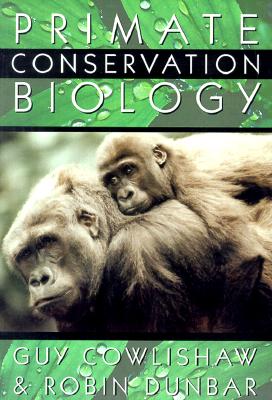
Primate Conservation Biology
Book Details
Format
Hardback
ISBN-10
0226116360
ISBN-13
9780226116365
Publisher
The University of Chicago Press
Imprint
University of Chicago Press
Country of Manufacture
GB
Country of Publication
GB
Publication Date
Sep 1st, 2000
Print length
498 Pages
Weight
802 grams
Dimensions
24.30 x 16.40 x 3.30 cms
Product Classification:
Biology, life sciences
KSh 20,150.00
Werezi Extended Catalogue
Delivery in 12 days
2 copies in stock
Delivery Location
Delivery fee: Select location
Delivery in 12 days
Secure
Quality
Fast
A recent report warns that nearly 20 per cent of the world's primates may go extinct by 2020. This work integrates theoretical advances with practical management priorities to give scientists and policymakers the tools they need to help keep these species from disappearing forever.
From the snub-nosed monkeys of China to the mountain gorillas of central Africa, our closest nonhuman relatives are in critical danger worldwide. A recent report, for example, warns that nearly 20 percent of the world's primates may go extinct within the next ten or twenty years. In this book Guy Cowlishaw and Robin Dunbar integrate cutting-edge theoretical advances with practical management priorities to give scientists and policymakers the tools they need to help keep these species from disappearing forever. Primate Conservation Biology begins with detailed overviews of the diversity, life history, ecology, and behavior of primates and the ways these factors influence primate abundance and distribution. Cowlishaw and Dunbar then discuss the factors that put primates at the greatest risk of extinction, especially habitat disturbance and hunting. The remaining chapters present a comprehensive review of conservation strategies and management practices, highlighting the key issues that must be addressed to protect primates for the future.
Get Primate Conservation Biology by Guy Cowlishaw, Robin I. M. Dunbar at the best price and quality guaranteed only at Werezi Africa's largest book ecommerce store. The book was published by The University of Chicago Press and it has 498 pages.
Customers Who Bought This Also Bought

Biology for Cambridge International AS & A Level Coursebook
KSh 12,150.00
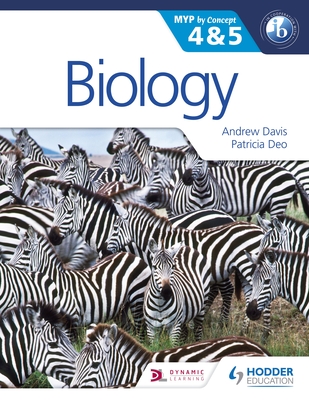
Biology for the IB MYP 4 & 5
KSh 9,950.00
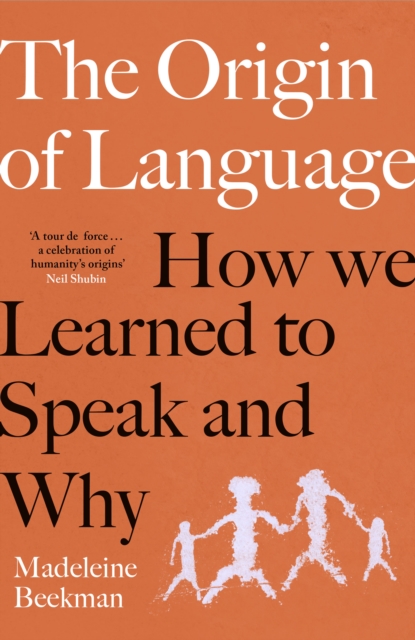
The Origin of Language
KSh 4,500.00

Animal Vegetable Criminal
KSh 1,800.00

Pearson Edexcel International A Level Biology Student Book
KSh 8,450.00

Pearson Edexcel International AS Level Biology Student Book
KSh 8,300.00

Pearson Edexcel International A Level Biology Lab Book
KSh 1,800.00
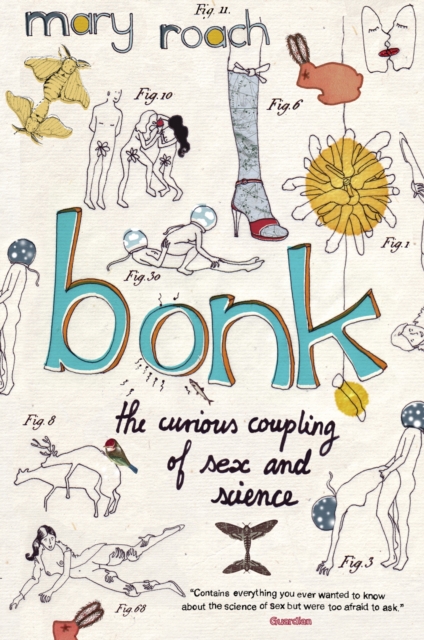
Bonk
KSh 2,000.00
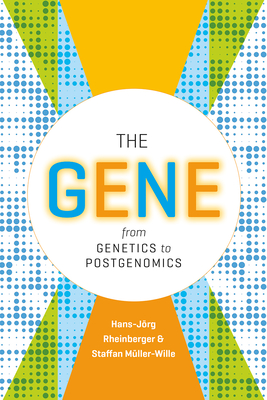
The Gene
KSh 4,350.00
Caie as & a Level Biology SB
KSh 10,550.00

A-Level Biology: AQA Year 1 & 2 Complete Revision & Practice with Online Edition
KSh 4,450.00
They Had Names
KSh 3,900.00
More in This Genre
Biology for Cambridge International AS & A Level Coursebook
KSh 12,150.00
Biology for the IB MYP 4 & 5
KSh 9,950.00
The Origin of Language
KSh 4,500.00
Animal Vegetable Criminal
KSh 1,800.00
Pearson Edexcel International A Level Biology Student Book
KSh 8,450.00
Pearson Edexcel International AS Level Biology Student Book
KSh 8,300.00
