

Privacy-preserving Computing : for Big Data Analytics and AI
Book Details
Format
Hardback
ISBN-10
1009299514
ISBN-13
9781009299510
Publisher
Cambridge University Press
Imprint
Cambridge University Press
Country of Manufacture
GB
Country of Publication
GB
Publication Date
Nov 16th, 2023
Print length
271 Pages
Weight
526 grams
Dimensions
15.70 x 23.60 x 2.10 cms
Product Classification:
Artificial intelligenceArtificial intelligence (AI)
KSh 9,400.00
Currently unavailable
0 in stock
Delivery Location
Delivery fee: Select location
Secure
Quality
Fast
Privacy-preserving computing aims to protect the personal information of users while capitalizing on the possibilities offered by big data. This practical introduction for students, researchers, and industry practitioners presents a systematic tour of recent advances in privacy-preserving methods for real-world problems in analytics and AI.
Privacy-preserving computing aims to protect the personal information of users while capitalizing on the possibilities unlocked by big data. This practical introduction for students, researchers, and industry practitioners is the first cohesive and systematic presentation of the field's advances over four decades. The book shows how to use privacy-preserving computing in real-world problems in data analytics and AI, and includes applications in statistics, database queries, and machine learning. The book begins by introducing cryptographic techniques such as secret sharing, homomorphic encryption, and oblivious transfer, and then broadens its focus to more widely applicable techniques such as differential privacy, trusted execution environment, and federated learning. The book ends with privacy-preserving computing in practice in areas like finance, online advertising, and healthcare, and finally offers a vision for the future of the field.
Get Privacy-preserving Computing by Kai Chen, Qiang Yang at the best price and quality guaranteed only at Werezi Africa's largest book ecommerce store. The book was published by Cambridge University Press and it has 271 pages.
Customers Who Bought This Also Bought

Magnifica Humanitas
KSh 1,500.00

Nexus
KSh 2,350.00
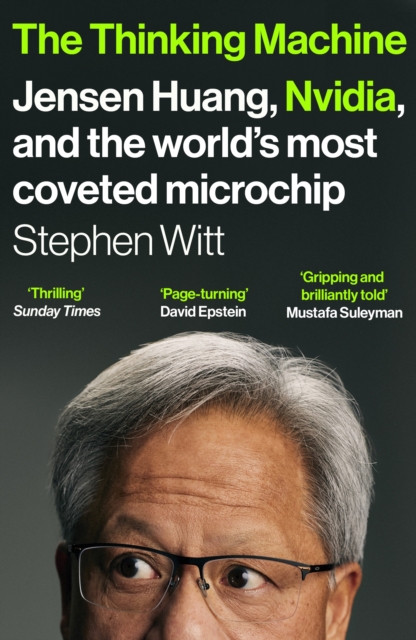
The Thinking Machine
KSh 2,350.00
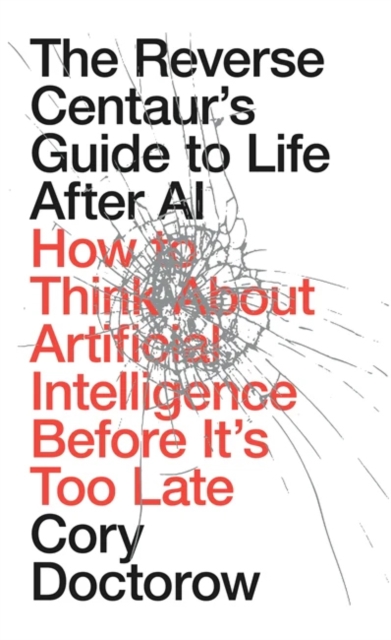
The Reverse Centaur's Guide to Life After AI
KSh 3,050.00

The MANIAC
KSh 2,000.00
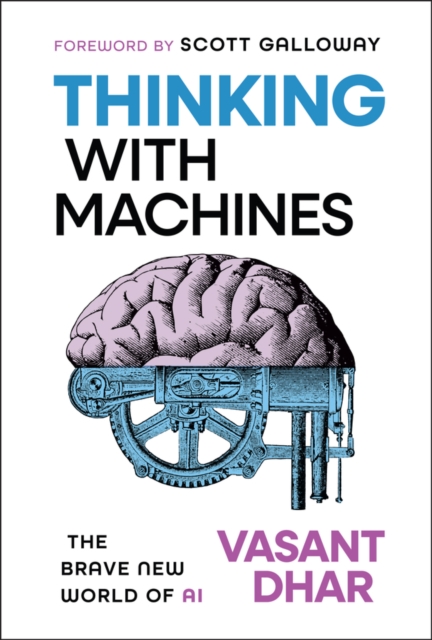
Thinking With Machines: The Brave New World of AI
KSh 4,300.00
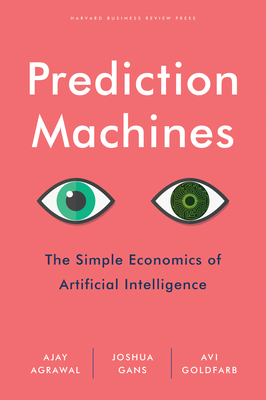
Prediction Machines
KSh 3,950.00

Confident AI
KSh 3,050.00
Responsible AI
KSh 6,400.00
Empire of AI
KSh 4,500.00

The MANIAC
KSh 2,700.00

Data Management, Analytics and Innovation
KSh 32,400.00
More by Kai Chen, Qiang Yang

Children Affected by Armed Conflict in the Borderlands of Myanmar
KSh 14,400.00

Children Affected by Armed Conflict in the Borderlands of Thailand
KSh 19,800.00

Transfer Learning
KSh 11,500.00

Comparative Study of Child Soldiering on Myanmar-China Border
KSh 8,100.00

Federated Learning
KSh 9,900.00

Crafting Your Research Future
KSh 3,600.00
