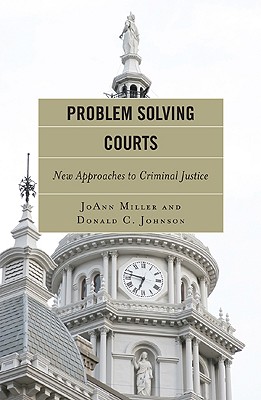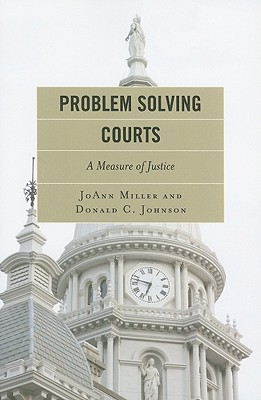
Problem Solving Courts : A Measure of Justice
Book Details
Format
Paperback / softback
ISBN-10
1442200812
ISBN-13
9781442200814
Publisher
Bloomsbury Publishing Plc
Imprint
Rowman & Littlefield
Country of Manufacture
GB
Country of Publication
GB
Publication Date
Jan 16th, 2011
Print length
288 Pages
Weight
431 grams
Dimensions
23.20 x 15.50 x 1.70 cms
KSh 7,550.00
Currently unavailable
0 in stock
Delivery Location
Delivery fee: Select location
Secure
Quality
Fast
Problem Solving Courts examines a relatively new approach to criminal justice in which judges, advised by law enforcement officers and mental health workers, meet with offenders on a weekly basis to talk about their issues in a socio-legal setting where therapeutic intervention is combined with a measure of punishment for program violations. Sociologist JoAnn Miller and judge Donald C. Johnson, creators of three successful problem solving courts themselves, address the compelling needs for alternatives to prisons, analyze problem solving courts in depth, and assess the impact problem solving courts can have on offenders and their communities.
Get Problem Solving Courts by Donald C. Johnson, JoAnn Miller at the best price and quality guaranteed only at Werezi Africa's largest book ecommerce store. The book was published by Bloomsbury Publishing Plc and it has 288 pages.
Customers Who Bought This Also Bought

Yahoo Boys
KSh 3,050.00

Yahoo Boys
KSh 3,950.00

Lost Girls
KSh 2,000.00

In Cold Blood
KSh 2,000.00

Nobody's Girl
KSh 4,500.00

Forensic Case Histories
KSh 7,550.00

The Dryslwyn Castle Killings
KSh 1,900.00

Tolerating State Violence
KSh 7,900.00

The Dark Hours
KSh 3,600.00

Crime and Psychology
KSh 30,950.00

Challenging Criminological Theory
KSh 8,700.00

The International Drugs Trade
KSh 10,100.00