
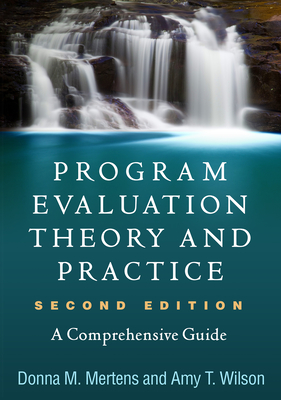
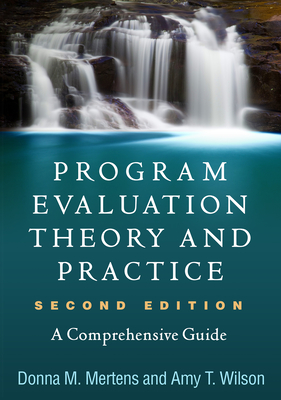
Program Evaluation Theory and Practice, Second Edition : A Comprehensive Guide
Book Details
Format
Hardback
ISBN-10
1462536336
ISBN-13
9781462536337
Publisher
Guilford Publications
Imprint
Guilford Press
Country of Manufacture
US
Country of Publication
GB
Publication Date
Dec 5th, 2018
Print length
620 Pages
Weight
1,460 grams
Dimensions
18.60 x 26.30 x 4.50 cms
Product Classification:
Psychological methodologyEducational psychology
KSh 20,350.00
Re-Printing
0 in stock
Delivery Location
Delivery fee: Select location
Secure
Quality
Fast
The leading text that covers both the theory and practice of evaluation in one engaging volume has now been revised and updated with additional evaluation approaches (such as mixed methods and principles-focused evaluation) and new methods (such as technologically based strategies). The book features examples of small- and large-scale evaluations from a range of fields, many with reflective commentary from the evaluators; helpful checklists; and carefully crafted learning activities. Major theoretical paradigms in evaluation--and the ways they inform methodological choices--are explained. Readers learn effective strategies for clarifying their own theoretical assumptions; working with stakeholders; developing questions; using quantitative, qualitative, and mixed methods designs; selecting data collection and sampling strategies; analyzing data; and communicating and utilizing findings. The new companion website provides extensive recommended online resources and tools, organized by chapter. New to This Edition *Additional evaluation approaches: collaborative evaluation, principles-focused evaluation, and desk reviews. *Coverage of new data collection technologies and methods of qualitative coding. *Expanded discussions of logic models, cost–benefit analysis, and mixed methods designs. *Many new and updated sample studies. Pedagogical Features *Reflection questions that prepare students to read each chapter. *"Extending Your Thinking" questions and practical activities. *Boxes delving into key concepts and example studies. *End-of-book Glossary, and highlighted key terms throughout. *Companion website with links to helpful resources on all aspects of evaluation.
The leading text that covers both the theory and practice of evaluation in one engaging volume has now been revised and updated with additional evaluation approaches (such as mixed methods and principles-focused evaluation) and new methods (such as technologically based strategies). The book features examples of small- and large-scale evaluations from a range of fields, many with reflective commentary from the evaluators; helpful checklists; and carefully crafted learning activities. Major theoretical paradigms in evaluation--and the ways they inform methodological choices--are explained. Readers learn effective strategies for clarifying their own theoretical assumptions; working with stakeholders; developing questions; using quantitative, qualitative, and mixed methods designs; selecting data collection and sampling strategies; analyzing data; and communicating and utilizing findings. The new companion website provides extensive recommended online resources and tools, organized by chapter.
New to This Edition
*Additional evaluation approaches: collaborative evaluation, principles-focused evaluation, and desk reviews.
*Coverage of new data collection technologies and methods of qualitative coding.
*Expanded discussions of logic models, costbenefit analysis, and mixed methods designs.
*Many new and updated sample studies.
Pedagogical Features
*Reflection questions that prepare students to read each chapter.
*"Extending Your Thinking" questions and practical activities.
*Boxes delving into key concepts and example studies.
*End-of-book Glossary, and highlighted key terms throughout.
*Companion website with links to helpful resources on all aspects of evaluation.
New to This Edition
*Additional evaluation approaches: collaborative evaluation, principles-focused evaluation, and desk reviews.
*Coverage of new data collection technologies and methods of qualitative coding.
*Expanded discussions of logic models, costbenefit analysis, and mixed methods designs.
*Many new and updated sample studies.
Pedagogical Features
*Reflection questions that prepare students to read each chapter.
*"Extending Your Thinking" questions and practical activities.
*Boxes delving into key concepts and example studies.
*End-of-book Glossary, and highlighted key terms throughout.
*Companion website with links to helpful resources on all aspects of evaluation.
Get Program Evaluation Theory and Practice, Second Edition by Amy T. Wilson, Donna M. Mertens at the best price and quality guaranteed only at Werezi Africa's largest book ecommerce store. The book was published by Guilford Publications and it has 620 pages.
Customers Who Bought This Also Bought

Silent Patient
KSh 2,000.00

Persuasion and Healing
KSh 5,500.00

Racism in the Enacted Curriculum
KSh 30,950.00

Renegade
KSh 30,950.00

Key Standards for Research Ethics in Psychology
KSh 4,150.00

Statistical Concepts – A First Course
KSh 27,900.00

Qualitative Market Research
KSh 38,150.00

Der sichere Rahmen
KSh 11,350.00

Age-Period-Cohort Analysis
KSh 9,650.00

Arts-Based Research, Resilience and Well-being Across the Lifespan
KSh 18,000.00

New Waves in Social Psychology
KSh 23,400.00

Models of Society and Complex Systems
KSh 26,300.00
More by Amy T. Wilson, Donna M. Mertens

Research and Evaluation in Education and Psychology
KSh 22,500.00
Transformative Research and Evaluation
KSh 14,400.00
The Handbook of Social Research Ethics
KSh 27,900.00
Research Methods in Special Education
KSh 16,750.00
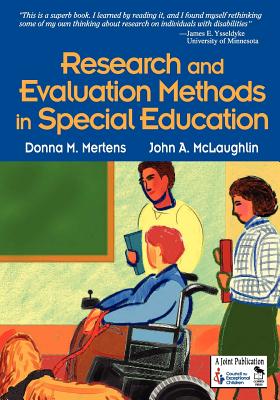
Research and Evaluation Methods in Special Education
KSh 6,550.00
Research and Evaluation Methods in Special Education
KSh 13,500.00

Parents and Their Deaf Children – The Early Years
KSh 8,450.00
Mixed Methods Design in Evaluation
KSh 7,400.00
Transformative Research and Evaluation
KSh 9,800.00
Program Evaluation Theory and Practice
KSh 13,850.00

Program Evaluation Theory and Practice
KSh 14,000.00

Program Evaluation Theory and Practice
KSh 20,600.00
