

Progress in Planning, Volume 50, Part 2 : Meaningful Collective Choice? Public Planning and Arrow's Theorem
by
T Sager
Book Details
Format
Paperback / softback
ISBN-10
0080434436
ISBN-13
9780080434438
Publisher
Elsevier Health Sciences
Imprint
Elsevier / The Lancet
Country of Manufacture
US
Country of Publication
GB
Publication Date
Jun 30th, 1999
Print length
66 Pages
Weight
132 grams
KSh 10,450.00
Currently unavailable
0 in stock
Delivery Location
Delivery fee: Select location
Secure
Quality
Fast
This essay is based on Kenneth Arrow's celebrated impossibility theorem stating that under a few quite reasonable assumptions, collective choice cannot be simultaneously logical and fair. The purpose here is to argue that planning procedures can reduce the likelihood that decision cycles will arise when democracy is pursued. It is examined whether some of Arrow's assumptions can be relaxed under widespread and participatory planning, since planning and public debate may force a minimum of conformity on the stated individual preferences. However, collective choices have to be made in spite of the impossibility theorem. Well-known theories of planning, especially synoptic planning and disjointed incrementalism, are analyzed to assess if they are acceptable ways of organizing decision-making processes in the face of Arrow's impossibilities.
Get Progress in Planning, Volume 50, Part 2 by T Sager at the best price and quality guaranteed only at Werezi Africa's largest book ecommerce store. The book was published by Elsevier Health Sciences and it has 66 pages.
Customers Who Bought This Also Bought

Confidence Man
KSh 2,350.00

Reagan – His Life and Legend
KSh 6,950.00

We the People
KSh 5,400.00
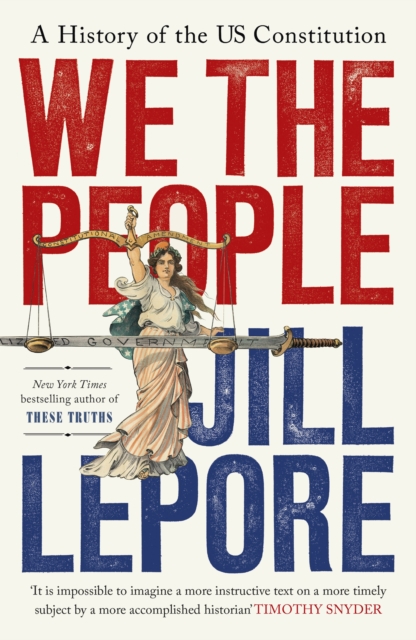
We the People
KSh 3,850.00

This America: The Case for the Nation
KSh 2,350.00

American Beast
KSh 2,700.00

Confidence Man
KSh 3,050.00
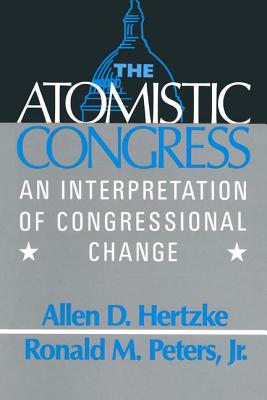
The Atomistic Congress
KSh 7,950.00

Occupational Hazards
KSh 2,350.00

Truss at 10
KSh 3,950.00

Truss at 10
KSh 2,350.00
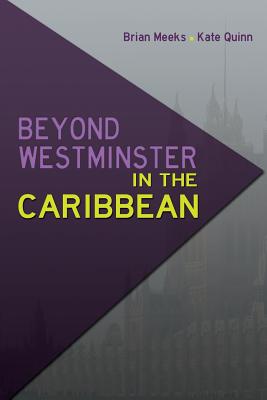
Beyond Westminster in the Caribbean
KSh 4,150.00
