
Cart 0
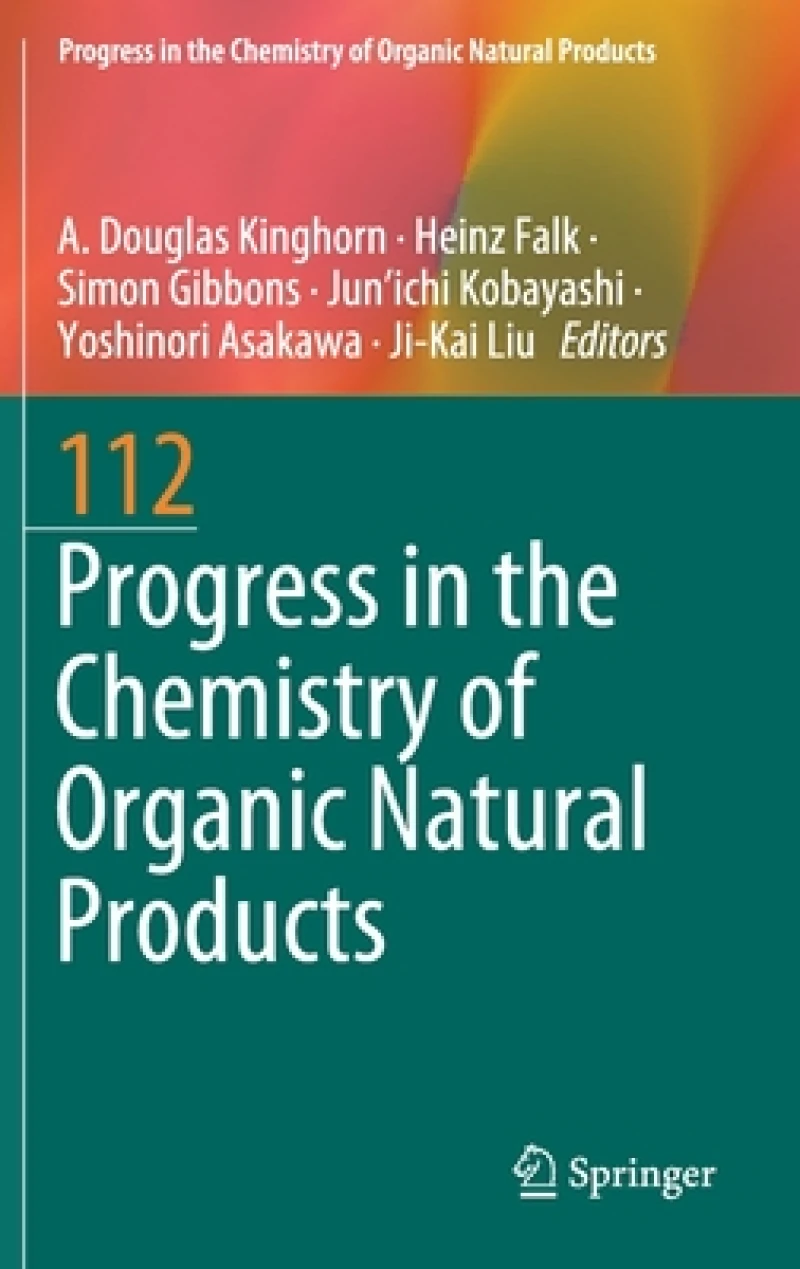
Progress in the Chemistry of Organic Natural Products 112
Click to zoom

Share this book

Progress in the Chemistry of Organic Natural Products 112

2020 ed.

Book Details

Format Hardback or Cased Book
ISBN-10 3030529657
ISBN-13 9783030529659
Edition 2020 ed.
Publisher Springer Nature Switzerland AG
Imprint Springer Nature Switzerland AG
Country of Manufacture GB
Country of Publication GB
Publication Date Dec 12th, 2020
Print length 206 Pages
Product Classification: Organic chemistryBiochemistry
Ksh 45,000.00
Werezi Extended Catalogue Delivery in 28 days

Delivery Location

Delivery fee: Select location

Delivery in 28 days

Secure
Quality
Fast
The first chapter describes the oldest method of communication between living systems in Nature, the chemical language. Plants, due to their lack of mobility, have developed the most sophisticated way of chemical communication. Despite that many examples involve this chemical communication process - allelopathy, there is still a lack of information about specific allelochemicals released into the environment, their purpose, as well as in-depth studies on the chemistry underground. These findings are critical to gain a better understanding of the role of these compounds and open up a wide range of possibilities and applications, especially in agriculture and phytomedicine. The most relevant aspects regarding the chemical language of plants, namely, kind of allelochemicals have been investigated, as well as their releasing mechanisms and their purpose, are described in this chapter. The second chapter is focused on the natural products obtained from Hypericum L., a genus of the family Hypericaceae within the dicotyledones. Hypericum has been valued for its important biological and chemical properties and its use in the treatment of depression and as an antibacterial has been well documented in primary literature and ethnobotanical reports. The present contribution gives a comprehensive summary of the chemical constituents and biological effects of this genus. A comprehensive account of the chemical constituents including phloroglucinol derivatives, xanthones, dianthrones, and flavonoids is included. These compounds show a diverse range of biological activities that include antimicrobial, cytotoxic, antidepressant-like, and antinociceptive effects. The third chapter addresses microtubule stabilizers, which are a mainstay in the treatment of many solid cancers and are often used in combination with molecularly targeted anticancer agents and immunotherapeutics.  The taccalonolides are a unique class of such microtubule stabilizers isolated from plants of Tacca species that circumvent clinically relevant mechanisms of drug resistance. Although initial reports suggested that the microtubule stabilizing activity of the taccalonolides is independent of direct tubulin binding, additional studies have found that potent C-22,23 epoxidated taccalonolides covalently bind the Aspartate 226 residue of ß-tubulin and that this interaction is critical for their microtubule stabilizing activity. Some taccalonolides have demonstrated in vivo antitumor efficacy in drug-resistant tumor models with exquisite potency and long-lasting antitumor efficacy as a result of their irreversible target engagement. The recent identification of a site on the taccalonolide scaffold that is amenable to modification has provided evidence of the specificity of the taccalonolide-tubulin interaction and the opportunity to further optimize the targeted delivery of the taccalonolides to further improve their anticancer efficacy and potential for clinical development.     

The first chapter describes the oldest method of communication between living systems in Nature, the chemical language. Plants, due to their lack of mobility, have developed the most sophisticated way of chemical communication. Despite that many examples involve this chemical communication process - allelopathy, there is still a lack of information about specific allelochemicals released into the environment, their purpose, as well as in-depth studies on the chemistry underground. These findings are critical to gain a better understanding of the role of these compounds and open up a wide range of possibilities and applications, especially in agriculture and phytomedicine. The most relevant aspects regarding the chemical language of plants, namely, kind of allelochemicals have been investigated, as well as their releasing mechanisms and their purpose, are described in this chapter.

The second chapter is focused on the natural products obtained from Hypericum L., a genus of the family Hypericaceae within the dicotyledones. Hypericum has been valued for its important biological and chemical properties and its use in the treatment of depression and as an antibacterial has been well documented in primary literature and ethnobotanical reports. The present contribution gives a comprehensive summary of the chemical constituents and biological effects of this genus. A comprehensive account of the chemical constituents including phloroglucinol derivatives, xanthones, dianthrones, and flavonoids is included. These compounds show a diverse range of biological activities that include antimicrobial, cytotoxic, antidepressant-like, and antinociceptive effects.

The third chapter addresses microtubule stabilizers, which are a mainstay in the treatment of many solid cancers and are often used in combination with molecularly targeted anticancer agents and immunotherapeutics.  The taccalonolides are a unique class of such microtubule stabilizers isolated from plants of Tacca species that circumvent clinically relevant mechanisms of drug resistance. Although initial reports suggested that the microtubule stabilizing activity of the taccalonolides is independent of direct tubulin binding, additional studies have found that potent C-22,23 epoxidated taccalonolides covalently bind the Aspartate 226 residue of β-tubulin and that this interaction is critical for their microtubule stabilizing activity. Some taccalonolides have demonstrated in vivo antitumor efficacy in drug-resistant tumor models with exquisite potency and long-lasting antitumor efficacy as a result of their irreversible target engagement. The recent identification of a site on the taccalonolide scaffold that is amenable to modification has provided evidence of the specificity of the taccalonolide-tubulin interaction and the opportunity to further optimize the targeted delivery of the taccalonolides to further improve their anticancer efficacy and potential for clinical development.


Get Progress in the Chemistry of Organic Natural Products 112 by at the best price and quality guaranteed only at Werezi Africa's largest book ecommerce store. The book was published by Springer Nature Switzerland AG and it has pages.


Mind, Body, & Spirit

Price

Ksh 45,000.00

Shopping Cart

Africa largest book store

Sub Total:
Ebooks

Digital Library
Coming Soon

Our digital collection is currently being curated to ensure the best possible reading experience on Werezi. We'll be launching our Ebooks platform shortly.