
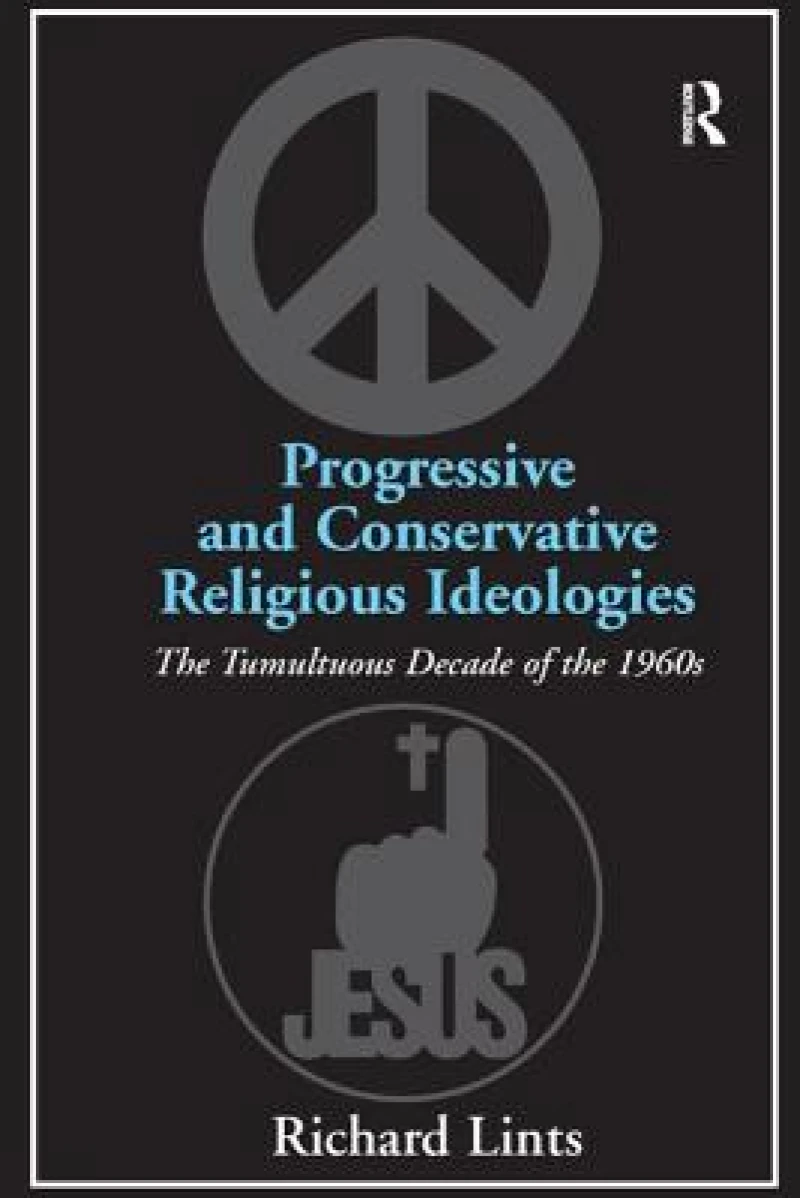
Progressive and Conservative Religious Ideologies : The Tumultuous Decade of the 1960s
Book Details
Format
Paperback / Softback
ISBN-10
113827867X
ISBN-13
9781138278677
Publisher
Taylor & Francis Ltd
Imprint
Routledge
Country of Manufacture
GB
Country of Publication
GB
Publication Date
Nov 28th, 2016
Print length
256 Pages
Weight
453 grams
Product Classification:
Religion & politicsPolitics & government
Ksh 10,600.00
Werezi Extended Catalogue
0 in stock
Delivery Location
Delivery fee: Select location
Secure
Quality
Fast
This book explores the surprisingly disruptive role of religion for progressive and conservative ideologies in the tumultuous decade of the 1960s. Conservative movements were far more progressive than the standard religious narrative of the decade alleges and the notoriously progressive ethos of the era was far more conservative than our collective memory has recognized. Lints explores how the themes of protest and retrieval intersect each other in ironic ways in the significant concrete controversies of the 1960s - the Civil Rights Movement, Second Feminist Movement, The Jesus Movements, and the Anti-War Movements - and in the conceptual conflicts of ideas during the era - The Death of God Movement, the end of ideology controversy, and the death of foundationalism. Lints argues that religion and religious ideologies serve both a prophetic function as well as a domesticating one, and that neither "conservative" nor "progressive" movements have cornered the market in either direction. In the process Lints helps us better understand the complex role of religion in cultural formation.
This book explores the surprisingly disruptive role of religion for progressive and conservative ideologies in the tumultuous decade of the 1960s. Conservative movements were far more progressive than the standard religious narrative of the decade alleges and the notoriously progressive ethos of the era was far more conservative than our collective memory has recognized. Lints explores how the themes of protest and retrieval intersect each other in ironic ways in the significant concrete controversies of the 1960s - the Civil Rights Movement, Second Feminist Movement, The Jesus Movements, and the Anti-War Movements - and in the conceptual conflicts of ideas during the era - The Death of God Movement, the end of ideology controversy, and the death of foundationalism. Lints argues that religion and religious ideologies serve both a prophetic function as well as a domesticating one, and that neither "conservative" nor "progressive" movements have cornered the market in either direction. In the process Lints helps us better understand the complex role of religion in cultural formation.
Get Progressive and Conservative Religious Ideologies by at the best price and quality guaranteed only at Werezi Africa's largest book ecommerce store. The book was published by Taylor & Francis Ltd and it has pages.

