
Progressivism''s Aesthetic Education : The Bildungsroman and the American School, 1890–1920
2018 ed.
by
Jesse Raber
Book Details
Format
Hardback
ISBN-10
3319900439
ISBN-13
9783319900438
Edition
2018 ed.
Publisher
Springer International Publishing AG
Imprint
Palgrave Macmillan
Country of Manufacture
GB
Country of Publication
GB
Publication Date
Jul 12th, 2018
Print length
208 Pages
KSh 11,700.00
Currently unavailable
0 in stock
Delivery Location
Delivery fee: Select location
Secure
Quality
Fast
Considering novels by Abraham Cahan, Willa Cather, and Charlotte Perkins Gilman alongside the educational thought of John Dewey, the Montessorians, the American Herbartians, and the social efficiency educators, Raber traces the development of an aesthetics of social action.
During the Progressive Era in the United States, as teaching became professionalized and compulsory attendance laws were passed, the public school emerged as a cultural authority. What did accepting this authority mean for Americans'' conception of self-government and their freedom of thought? And what did it mean for the role of artists and intellectuals within democratic society? Jesse Raber argues that the bildungsroman negotiated this tension between democratic autonomy and cultural authority, reprising an old role for the genre in a new social and intellectual context. Considering novels by Abraham Cahan, Willa Cather, and Charlotte Perkins Gilman alongside the educational thought of John Dewey, the Montessorians, the American Herbartians, and the social efficiency educators, Raber traces the development of an aesthetics of social action. Richly sourced and vividly narrated, this book is a creative intervention in the fields of literary criticism, pragmatic philosophy, aesthetic theory, and the history of education.
Get Progressivism''s Aesthetic Education by Jesse Raber at the best price and quality guaranteed only at Werezi Africa's largest book ecommerce store. The book was published by Springer International Publishing AG and it has 208 pages.
Customers Who Bought This Also Bought

Dreams in a Time of War
KSh 3,050.00

The Picture of Dorian Gray
KSh 1,250.00

Pride and Prejudice
KSh 1,150.00

Fire Next Time
KSh 1,800.00

Letters of J R R Tolkien
KSh 2,350.00

Arabian Nights'' Entertainments
KSh 2,950.00
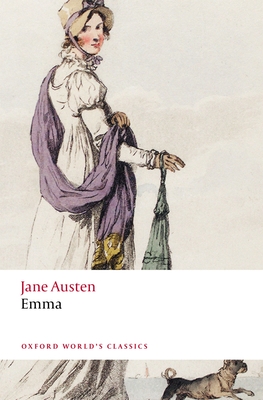
Emma
KSh 1,350.00
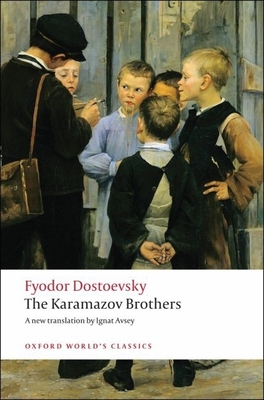
The Karamazov Brothers
KSh 2,100.00

On Writing
KSh 2,000.00

Persuasion
KSh 1,100.00

Bleak House
KSh 2,150.00

To the Lighthouse
KSh 1,450.00