
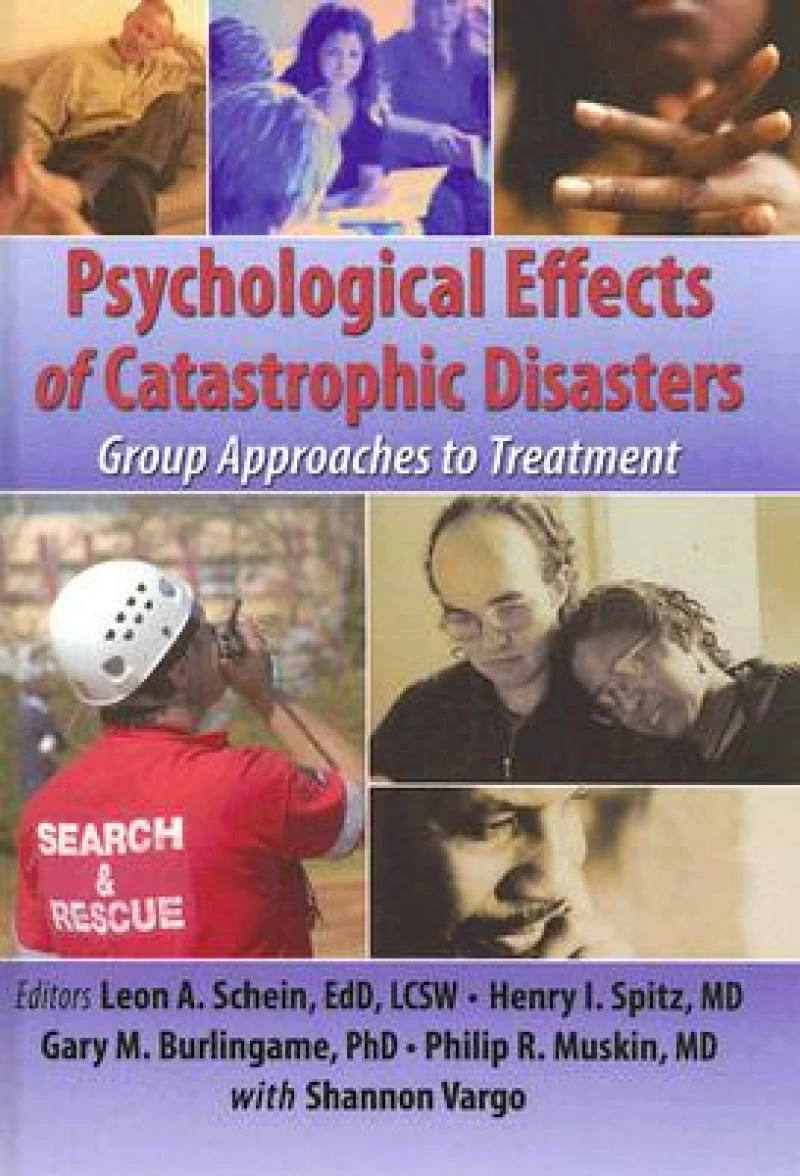
Psychological Effects of Catastrophic Disasters : Group Approaches to Treatment
Book Details
Format
Hardback or Cased Book
ISBN-10
0789018403
ISBN-13
9780789018403
Publisher
Taylor & Francis Inc
Imprint
Routledge
Country of Manufacture
US
Country of Publication
GB
Publication Date
Apr 19th, 2006
Print length
970 Pages
Weight
1,383 grams
Product Classification:
Social, group or collective psychologyClinical psychology
Ksh 28,800.00
Re-Printing
0 in stock
Delivery Location
Delivery fee: Select location
Secure
Quality
Fast
Offers practical suggestions and helpful examples to illustrate the interventions, and also provides a quick reference for professionals facing the aftermath of prospective terrorist disasters. This book is divided into four sections. It is useful for social workers, psychologists, psychiatrists, health professionals, educators, and students.
A thorough, user-friendly guide of basic knowledge and group interventions for psychological trauma from terrorist attacks and other catastrophic disasters
There is relatively little literature on the psychological trauma caused by catastrophic disasters, including terrorist attacks and the impending threats of terrorism. Psychological Effects of Catastrophic Disasters: Group Approaches to Treatment fills that gap by comprehensively discussing ways to minimize the psychological damage resulting from catastrophic disasters as well as the trauma developed from the threat of future terrorist attacks. The book provides thorough presentations of almost manualized group methods for the prevention and treatment of the acute and longer-term psychological effects for children, adolescents, and adults.
Appropriate treatment immediately after a catastrophe can diminish harmful psychological effects, enhance an individuals quality of life, decrease psychosomatic illnesses and the exacerbation of chronic medical conditions, increase the effective utilization of medical facilities, and decrease medical expenses. In this book, internationally renowned authorities provide practical expert suggestions and helpful examples to illustrate the interventions and provide a quick reference for professionals facing the aftermath of prospective terrorist disasters and other catastrophic events.
Psychological Effects of Catastrophic Disasters: Group Approaches to Treatment is divided into four sections. The first section provides an overview of the book; the second discusses the foundations and broad issues which potentially affect the outcome of group treatment; the third section presents group models which address the particular needs of children, adolescents, parents, emergency service personnel, and mental health practitioners; and the fourth part considers future directions of treatment. Designed to be used as a comprehensive single source for professionals working with victims of trauma caused by terrorism or catastrophic disaster, this book can be read and used in its entirety, or specific chapters detailing treatments can be chosen and used independently as needed. Extensive references allow opportunities for further research.
Psychological Effects of Catastrophic Disasters: Group Approaches to Treatment presents unique first-person accounts of September 11th and examines:
The royalties from this book shall be donated to organizations which provide direct services to those who continue to be affected by the events of September 11th, 2001 and Hurricane Katrina (August 29th, 2005).
There is relatively little literature on the psychological trauma caused by catastrophic disasters, including terrorist attacks and the impending threats of terrorism. Psychological Effects of Catastrophic Disasters: Group Approaches to Treatment fills that gap by comprehensively discussing ways to minimize the psychological damage resulting from catastrophic disasters as well as the trauma developed from the threat of future terrorist attacks. The book provides thorough presentations of almost manualized group methods for the prevention and treatment of the acute and longer-term psychological effects for children, adolescents, and adults.
Appropriate treatment immediately after a catastrophe can diminish harmful psychological effects, enhance an individuals quality of life, decrease psychosomatic illnesses and the exacerbation of chronic medical conditions, increase the effective utilization of medical facilities, and decrease medical expenses. In this book, internationally renowned authorities provide practical expert suggestions and helpful examples to illustrate the interventions and provide a quick reference for professionals facing the aftermath of prospective terrorist disasters and other catastrophic events.
Psychological Effects of Catastrophic Disasters: Group Approaches to Treatment is divided into four sections. The first section provides an overview of the book; the second discusses the foundations and broad issues which potentially affect the outcome of group treatment; the third section presents group models which address the particular needs of children, adolescents, parents, emergency service personnel, and mental health practitioners; and the fourth part considers future directions of treatment. Designed to be used as a comprehensive single source for professionals working with victims of trauma caused by terrorism or catastrophic disaster, this book can be read and used in its entirety, or specific chapters detailing treatments can be chosen and used independently as needed. Extensive references allow opportunities for further research.
Psychological Effects of Catastrophic Disasters: Group Approaches to Treatment presents unique first-person accounts of September 11th and examines:
- the neurobiological effects of a traumatic disaster
- the effective use of psychotropic medication
- the implications of living with ongoing terrorist threats
- a new framework for preparedness and response to disasters and trauma for children and families
- cultural, religious, and ethnic differences related to the prevention and treatment of psychological sequelae
- the diagnosis and treatment of traumatic grief
- retraumatization, distressing reminders, and their effects on post-traumatic adjustment
- the knowledge trauma therapists need to integrate small group principles
- the diagnosis and group treatment of acute and long-term effects with adults and children
- the use of spiritual principles after a terrorist disaster or catastrophic event
- nine types of groups appropriate for specific populations
The royalties from this book shall be donated to organizations which provide direct services to those who continue to be affected by the events of September 11th, 2001 and Hurricane Katrina (August 29th, 2005).
Get Psychological Effects of Catastrophic Disasters by at the best price and quality guaranteed only at Werezi Africa's largest book ecommerce store. The book was published by Taylor & Francis Inc and it has pages.

