
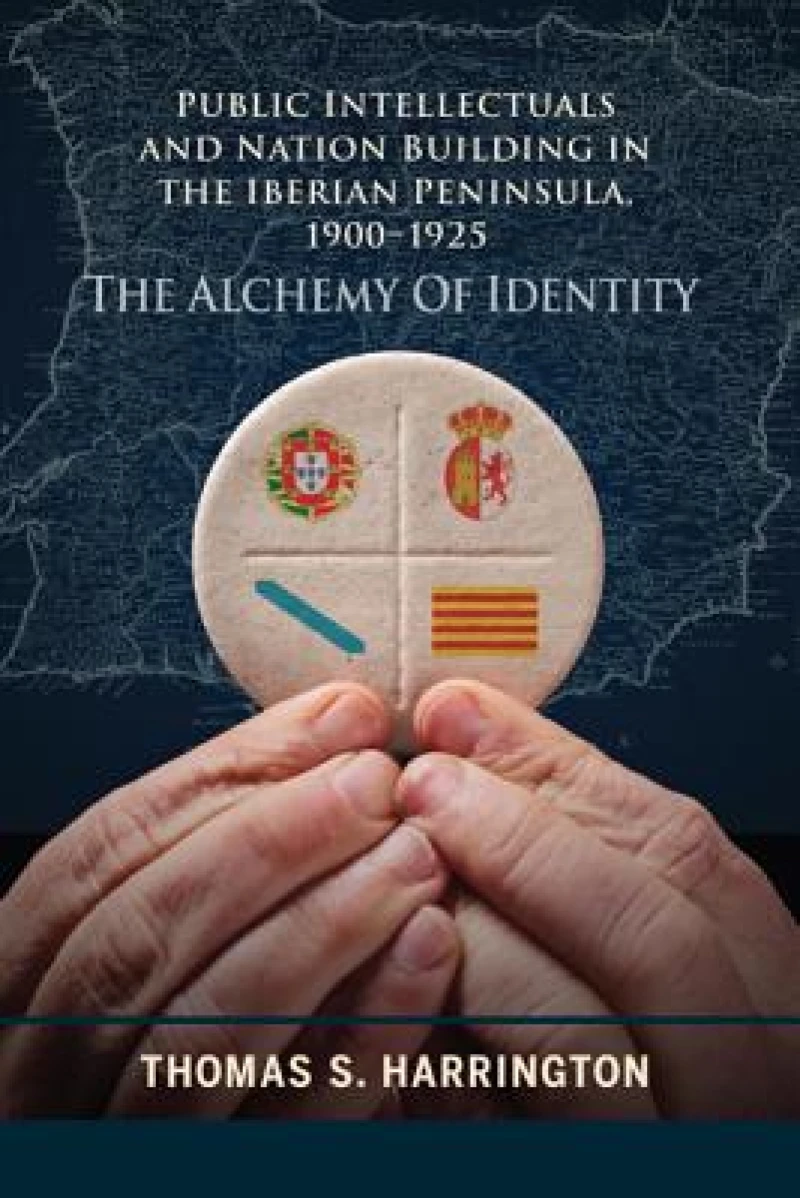
Public Intellectuals and Nation Building in the Iberian Peninsula, 1900–1925 : The Alchemy of Identity
Book Details
Format
Hardback or Cased Book
ISBN-10
1611485614
ISBN-13
9781611485615
Publisher
Bucknell University Press
Imprint
Bucknell University Press
Country of Manufacture
GB
Country of Publication
GB
Publication Date
Dec 11th, 2014
Print length
340 Pages
Weight
656 grams
Dimensions
22.90 x 15.80 x 2.70 cms
Product Classification:
Regional studiesEuropean history20th century history: c 1900 to c 2000
Ksh 21,450.00
Manufactured on Demand
0 in stock
Delivery Location
Delivery fee: Select location
Secure
Quality
Fast
Given its highly interdisciplinary approach, which combines cultural theory, social and intellectual history, political analysis, and textual criticism, this book serves as an ideal introduction for anyone seeking to understand the underlying dynamics of the so-called nationalities problem in today’s Iberian Peninsula.
This book provides a detailed analysis of the core concepts of national identity articulated by Iberian writers during the period between 1900 and 1925. It is centered on four "pedagogical" essays written in these decades previous to the onset of authoritarian dictatorships in Spain and Portugal, works that are absolutely central to understanding the discursive architecture of collective identity in these same places today. They are as follows: Enric Prat de la Riba''s La Nacionalitat Catalana (1906), Teixeira de Pascoaes'' Arte de Ser Português (1915),Vicente Risco''s Teoría do Nacionalismo Galego (1920), and José Ortega y Gasset''s España invertebrada (1921). The study consists of a discussion of some of the more important theoretical issues connected to social articulation of cultural identities, four chapter-long analyses of the textual manifestations of national identity within the major Romance-language communities of the Iberian peninsula, and a conclusion which underscores the key function played by these public intellectuals in establishing the parameters of the “Imagined Communities” with which they felt primarily identified. On the most basic level, the study of these “catechistic” visions of national individuality provides a heightened sense of both the differences and commonalities inherent in the cultural traditions of these core nationality groups of the Iberian Peninsula. On another level, the study reminds us of the important pedagogical function of literature (understood here in the broadest possible sense) in the formation and maintenance of nationality identities then, as well as now.
Get Public Intellectuals and Nation Building in the Iberian Peninsula, 1900–1925 by at the best price and quality guaranteed only at Werezi Africa's largest book ecommerce store. The book was published by Bucknell University Press and it has pages.

