
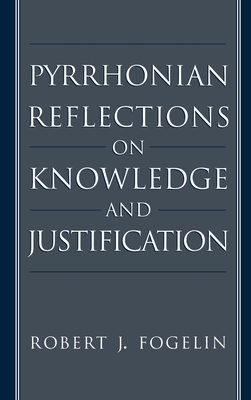
Pyrrhonian Reflections on Knowledge and Justification
Book Details
Format
Hardback
ISBN-10
0195089871
ISBN-13
9780195089875
Publisher
Oxford University Press Inc
Imprint
Oxford University Press Inc
Country of Manufacture
GB
Country of Publication
GB
Publication Date
Dec 1st, 1994
Print length
256 Pages
Weight
546 grams
Dimensions
23.40 x 16.20 x 2.10 cms
KSh 23,550.00
Temporarily out of stock, due soon
0 in stock
Delivery Location
Delivery fee: Select location
Secure
Quality
Fast
This work examines contemporary theories in knowledge and justification and is written in two parts. The first presents an analysis of ordinary knowledge claims, showing that they are philosophically unproblematical. The second takes ideas found in Sextus Empiricus'' Outlines of Pyrrhonism, restates them in a modern idiom, and then asks if any contemporary theory of justification meets the challenges they raise. Fogelin argues that the answer is no.
This work, written from a neo-Pyrrhonian perspective, is an examination of contemporary theories of knowledge and justification. It takes ideas primarily found in Sextus Empiricus''s Outlines of Pyrrhonism, restates them in a modern idiom, and then asks whether any contemporary theory of knowledge meets the challenge they raise. The first part, entitled Gettier and the Problem of Knowledge, attempts to rescue our ordinary concept of knowledge from those philosophers who have assigned burdens to it that it cannot bear. Properly understood, Fogelin shows that the concept of knowledge is unproblematic. The second part of this study, called Agrippa and the Problem of Justification, examines Agrippa''s contribution to Pyrrhonism, a systemizing of its procedures which came to be known as the Five Modes Leading to the Suspension of Belief. These modes present a completely general procedure for refuting any claim a dogmatist might make. Though largely unnoticed, there is an uncanny resembleance between problems posed by Agrippa''s Five Modes and those that contemporary epistemologists address under the heading of a theory of justification. Fogelin examines the strongest contemporary theories of justification--in both foundationalist and anti-foundationalist forms. The Pyrrhonian conclusion is that recent philosophical writings on justification have made no significant progress in responding to the Pyrrhonian problems they have raised.
Get Pyrrhonian Reflections on Knowledge and Justification by Robert J. Fogelin at the best price and quality guaranteed only at Werezi Africa's largest book ecommerce store. The book was published by Oxford University Press Inc and it has 256 pages.
Customers Who Bought This Also Bought
Great Ideas Myth of Sisyphus
KSh 1,450.00

Trouble With Being Born
KSh 2,000.00
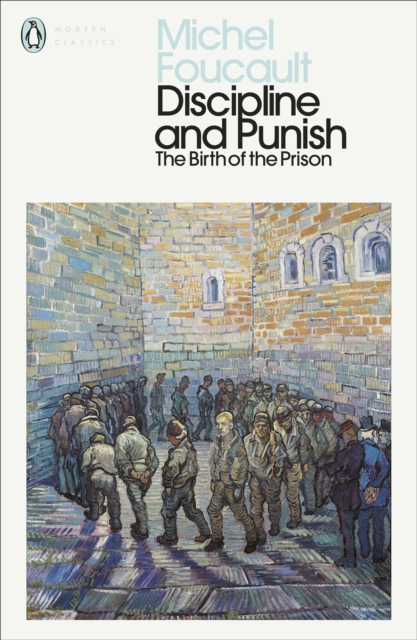
Discipline and Punish
KSh 2,350.00

Human, All Too Human
KSh 2,000.00

The Life Of The Mind
KSh 3,950.00

The Problems of Philosophy
KSh 2,150.00
Marriage and Morals
KSh 3,250.00

The Storyteller
KSh 2,150.00

Difference and Repetition
KSh 4,500.00

Words
KSh 2,000.00
Collected Papers
KSh 7,350.00
The Social Construction of What?
KSh 5,200.00
More by Robert J. Fogelin
Taking Wittgenstein at His Word – A Textual Study
KSh 7,200.00

Wittgenstein
KSh 8,800.00
Taking Wittgenstein at His Word
KSh 9,350.00

Hume''s Skepticism in the Treatise of Human Nature
KSh 23,900.00
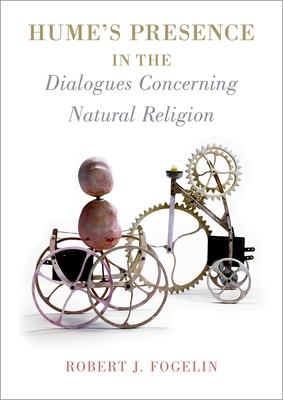
Hume''s Presence in The Dialogues Concerning Natural Religion
KSh 10,200.00

A Defense of Hume on Miracles
KSh 7,200.00
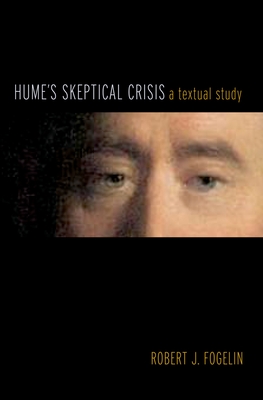
Hume''s Skeptical Crisis
KSh 13,550.00
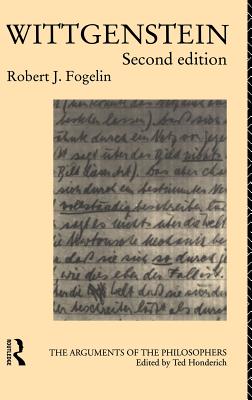
Wittgenstein
KSh 39,900.00
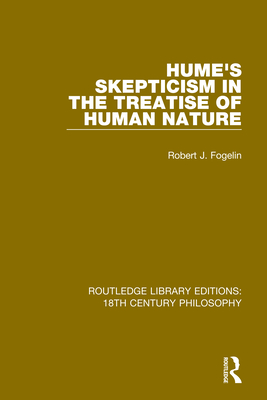
Hume''s Skepticism in the Treatise of Human Nature
KSh 6,800.00