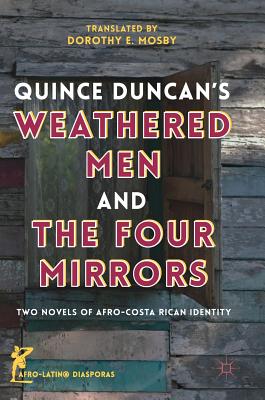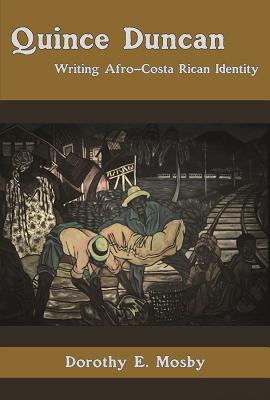
Quince Duncan : Writing Afro-Costa Rican and Caribbean Identity
Book Details
Format
Hardback
ISBN-10
0817313494
ISBN-13
9780817313494
Publisher
The University of Alabama Press
Imprint
The University of Alabama Press
Country of Manufacture
US
Country of Publication
GB
Publication Date
Feb 28th, 2014
Print length
216 Pages
Weight
456 grams
Dimensions
23.10 x 14.90 x 2.20 cms
KSh 6,650.00
Temporarily out of stock, due soon
0 in stock
Delivery Location
Delivery fee: Select location
Secure
Quality
Fast
Provides a comprehensive study of the published short stories and novels of Costa Rica’s first novelist of African descent and one of the nation’s most esteemed contemporary writers. The grandson of Jamaican and Barbadian immigrants to Limón, Quince Duncan (b. 1940) incorporates personal memories into stories about first generation Afro–West Indian immigrants and their descendants in Costa Rica.
Quince Duncan is a comprehensive study of the published short stories and novels of Costa Rica’s first novelist of African descent and one of the nation’s most esteemed contemporary writers.
The grandson of Jamaican and Barbadian immigrants to Limón, Quince Duncan (b. 1940) incorporates personal memories into stories about first generation Afro–West Indian immigrants and their descendants in Costa Rica. Duncan’s novels, short stories, recompilations of oral literature, and essays intimately convey the challenges of Afro–West Indian contract laborers and the struggles of their descendants to be recognized as citizens of the nation they helped bring into modernity.
Through his storytelling, Duncan has become an important literary and cultural presence in a country that forged its national identity around the leyenda blanca (white legend) of a rural democracy established by a homogeneous group of white, Catholic, and Spanish peasants. By presenting legends and stories of Limón Province as well as discussing the complex issues of identity, citizenship, belonging, and cultural exile, Duncan has written the story of West Indian migration into the official literary discourse of Costa Rica. His novels Hombres curtidos (1970) and Los cuatro espejos (1973) in particular portray the Afro–West Indian community in Limón and the cultural intolerance encountered by those of African-Caribbean descent who migrated to San José. Because his work follows the historical trajectory from the first West Indian laborers to the contemporary concerns of Afro–Costa Rican people, Duncan is as much a cultural critic and sociologist as he is a novelist.
In Quince Duncan, Dorothy E. Mosby combines biographical information on Duncan with geographic and cultural context for the analysis of his works, along with plot summaries and thematic discussions particularly helpful to readers new to Duncan.
The grandson of Jamaican and Barbadian immigrants to Limón, Quince Duncan (b. 1940) incorporates personal memories into stories about first generation Afro–West Indian immigrants and their descendants in Costa Rica. Duncan’s novels, short stories, recompilations of oral literature, and essays intimately convey the challenges of Afro–West Indian contract laborers and the struggles of their descendants to be recognized as citizens of the nation they helped bring into modernity.
Through his storytelling, Duncan has become an important literary and cultural presence in a country that forged its national identity around the leyenda blanca (white legend) of a rural democracy established by a homogeneous group of white, Catholic, and Spanish peasants. By presenting legends and stories of Limón Province as well as discussing the complex issues of identity, citizenship, belonging, and cultural exile, Duncan has written the story of West Indian migration into the official literary discourse of Costa Rica. His novels Hombres curtidos (1970) and Los cuatro espejos (1973) in particular portray the Afro–West Indian community in Limón and the cultural intolerance encountered by those of African-Caribbean descent who migrated to San José. Because his work follows the historical trajectory from the first West Indian laborers to the contemporary concerns of Afro–Costa Rican people, Duncan is as much a cultural critic and sociologist as he is a novelist.
In Quince Duncan, Dorothy E. Mosby combines biographical information on Duncan with geographic and cultural context for the analysis of his works, along with plot summaries and thematic discussions particularly helpful to readers new to Duncan.
Get Quince Duncan by Dorothy E. Mosby at the best price and quality guaranteed only at Werezi Africa's largest book ecommerce store. The book was published by The University of Alabama Press and it has 216 pages.
Customers Who Bought This Also Bought
Dreams in a Time of War
KSh 3,050.00
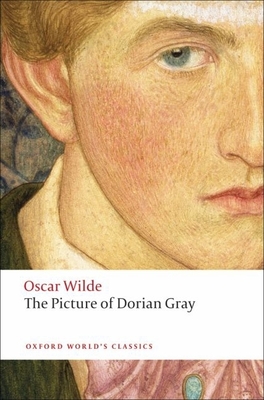
The Picture of Dorian Gray
KSh 1,250.00
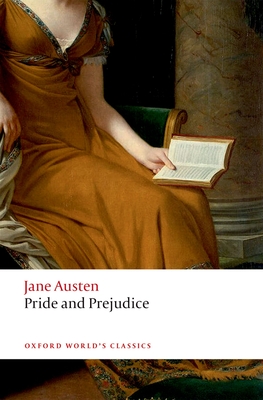
Pride and Prejudice
KSh 1,150.00
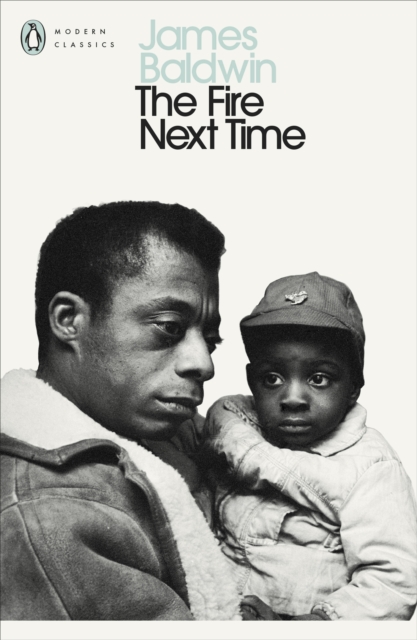
Fire Next Time
KSh 1,800.00
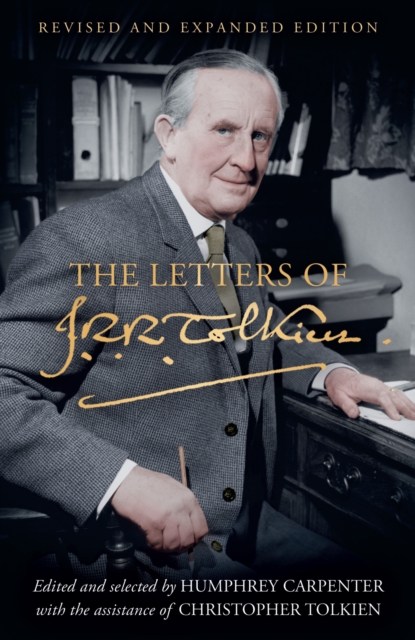
Letters of J R R Tolkien
KSh 2,350.00
Arabian Nights'' Entertainments
KSh 2,950.00
Emma
KSh 1,350.00
The Karamazov Brothers
KSh 2,100.00
On Writing
KSh 2,000.00
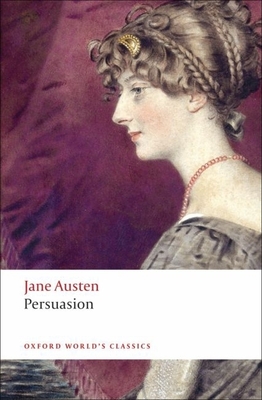
Persuasion
KSh 1,100.00
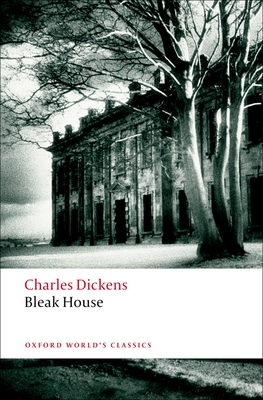
Bleak House
KSh 2,150.00

To the Lighthouse
KSh 1,450.00