
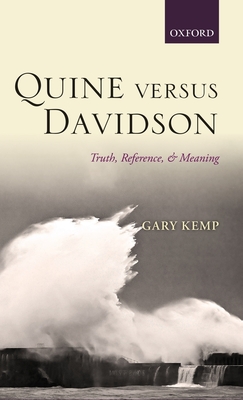
Quine versus Davidson : Truth, Reference, and Meaning
by
Gary Kemp
Book Details
Format
Hardback
ISBN-10
0199695628
ISBN-13
9780199695621
Publisher
Oxford University Press
Imprint
Oxford University Press
Country of Manufacture
GB
Country of Publication
GB
Publication Date
Feb 16th, 2012
Print length
202 Pages
Weight
338 grams
Dimensions
16.90 x 22.20 x 1.70 cms
Product Classification:
linguisticsPhilosophy of languagePhilosophy: metaphysics & ontologyPhilosophy: logic
KSh 16,350.00
Temporarily out of stock, due soon
0 in stock
Delivery Location
Delivery fee: Select location
Secure
Quality
Fast
Gary Kemp presents a penetrating investigation of key issues in the philosophy of language, by means of a comparative study of two great figures of late twentieth-century philosophy. He reveals unexplored tensions between the views of Quine and Davidson, and presents a powerful argument in favour of Quine and methodological naturalism.
Gary Kemp presents a penetrating investigation of key issues in the philosophy of language, by means of a comparative study of two great figures of late twentieth-century philosophy. So far as language and meaning are concerned, Willard Van Orman Quine and Donald Davidson are usually regarded as birds of a feather. The two disagreed in print on various matters over the years, but fundamentally they seem to be in agreement; most strikingly, Davidson''s thought experiment of Radical Interpretation looks to be a more sophisticated, technically polished version of Quinean Radical Translation. Yet Quine''s most basic and general philosophical commitment is to his methodological naturalism, which is ultimately incompatible with Davidson''s main commitments. In particular, it is impossible to endorse, from Quine''s perspective, the roles played by the concepts of truth and reference in Davidson''s philosophy of language: Davidson''s employment of the concept of truth is from Quine''s point of view needlessly adventurous, and his use of the concept of reference cannot be divorced from unscientific ''intuition''. From Davidson''s point of view, Quine''s position looks needlessly scientistic, and seems blind to the genuine problems of language and meaning. Gary Kemp offers a powerful argument for Quine''s position, and in favour of methodological naturalism and its corollary, naturalized epistemology. It is possible to give a consistent and explanatory account of language and meaning without problematic uses of the concepts truth and reference, which in turn makes a strident naturalism much more plausible.
Get Quine versus Davidson by Gary Kemp at the best price and quality guaranteed only at Werezi Africa's largest book ecommerce store. The book was published by Oxford University Press and it has 202 pages.
Customers Who Bought This Also Bought

Creativity in the English Curriculum
KSh 5,650.00
Du contrat social, ou principes du droit politique.
KSh 4,850.00

Réflexions sur L''étude des Langues Asiatiques, Adressées à Sir James Mackintosh, Suivies D''une Lettr
KSh 2,550.00
Readings in Linguistics I & II
KSh 7,700.00
Analysing Sentences
KSh 7,400.00

For Whom Do I Toil?
KSh 21,350.00
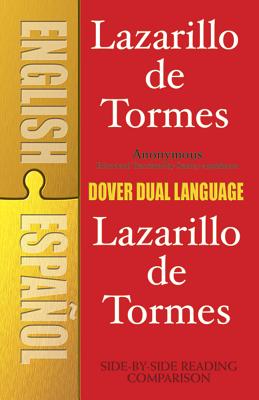
Lazarillo De Tormes
KSh 1,800.00
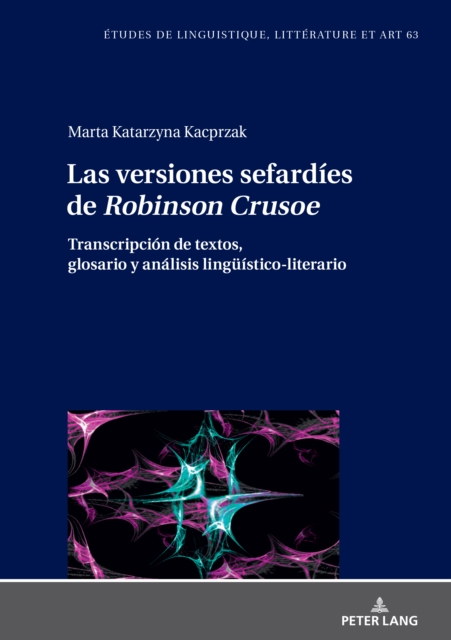
Las versiones sefardíes de Robinson Crusoe
KSh 6,850.00
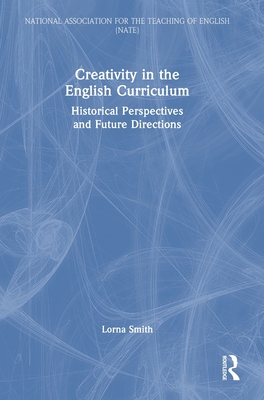
Creativity in the English Curriculum
KSh 30,950.00

English Language Teaching
KSh 30,950.00

Katzen und Kinder: Koprasente Phanomene in virtuellen Meetings
KSh 16,400.00
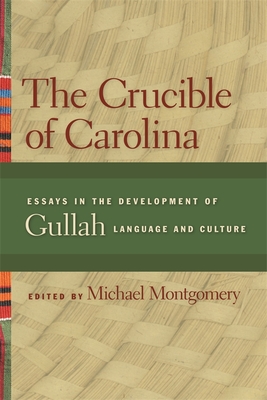
The Crucible of Carolina
KSh 17,000.00
More by Gary Kemp

1967 World of Brian Epstein
KSh 4,500.00

1967 World of Brian Epstein
KSh 4,500.00
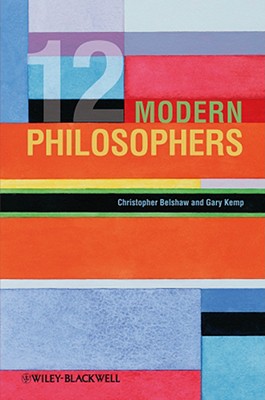
Twelve Modern Philosophers
KSh 4,000.00

What is this thing called Philosophy of Language?
KSh 7,650.00
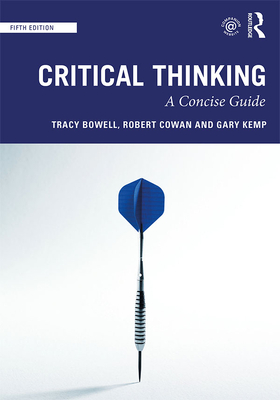
Critical Thinking
KSh 27,900.00

What is this thing called Philosophy of Language?
KSh 27,900.00
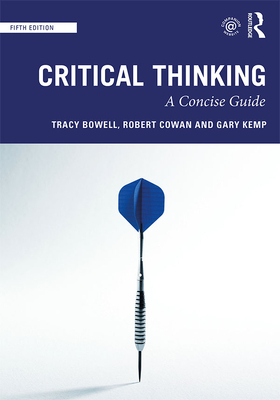
Critical Thinking
KSh 7,550.00

I Know This Much
KSh 2,000.00
More in This Genre
Creativity in the English Curriculum
KSh 5,650.00
Du contrat social, ou principes du droit politique.
KSh 4,850.00
Réflexions sur L''étude des Langues Asiatiques, Adressées à Sir James Mackintosh, Suivies D''une Lettr
KSh 2,550.00
Readings in Linguistics I & II
KSh 7,700.00
Analysing Sentences
KSh 7,400.00
For Whom Do I Toil?
KSh 21,350.00
