
Race, Class and Power in the Building of Richmond, 1870-1920
Book Details
Delivery Location
Delivery fee: Select location
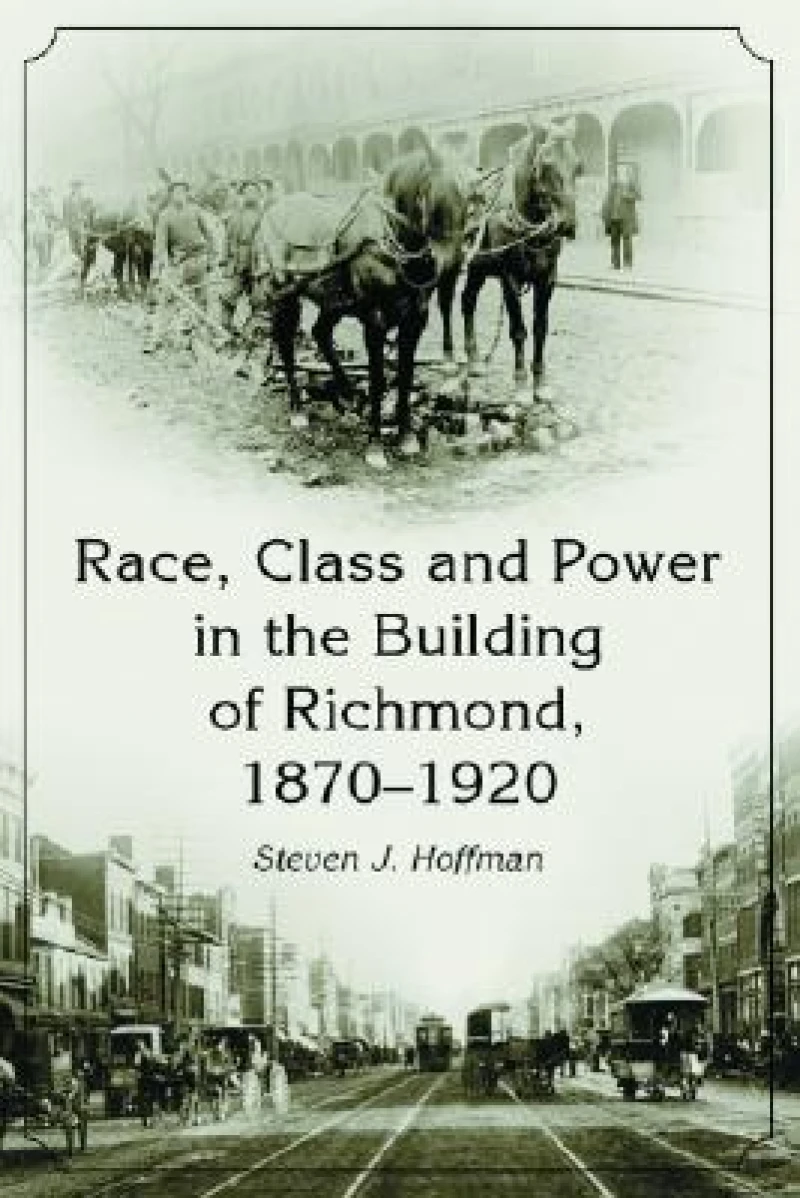
Using post-Civil War Richmond, Virginia, as a case study, Hoffman explores the role of race and class in the city building process from 1870 to 1920. Richmond''s railroad connections enabled the city to participate in the commercial expansion that accompanied the rise of the New South. A highly compact city of mixed residential, industrial and commercial space at the end of the Civil War, Richmond remained a classic example of what historians call a "walking city" through the end of the century. As city streets were improved and public transportation became available, the city''s white merchants and emerging white middle class sought homes removed from the congested downtown. The city''s African American and white workers generally could not afford to take part in this residential migration. As a result, the mixture of race and class that had existed in the city since its inception began to disappear.
The city of Richmond exemplified characteristics of both Northern and Southern cities during the period from 1870 to 1920. Retreating Confederate soldiers had started fires that destroyed the city in 1865, but by 1870, the former capital of the Confederacy was on the road to recovery from war and reconstruction, reestablishing itself as an important manufacturing and trade center. The city''s size, diversity and economic position at the time not only allows for comparisons to both Northern and Southern cities but also permits an analysis of the role of groups other than the elite in city building process. By taking a look at Richmond, we are able to see a more complete picture of how American cities have come to be the way they are.
Get Race, Class and Power in the Building of Richmond, 1870-1920 by at the best price and quality guaranteed only at Werezi Africa's largest book ecommerce store. The book was published by McFarland & Co Inc and it has pages.

