
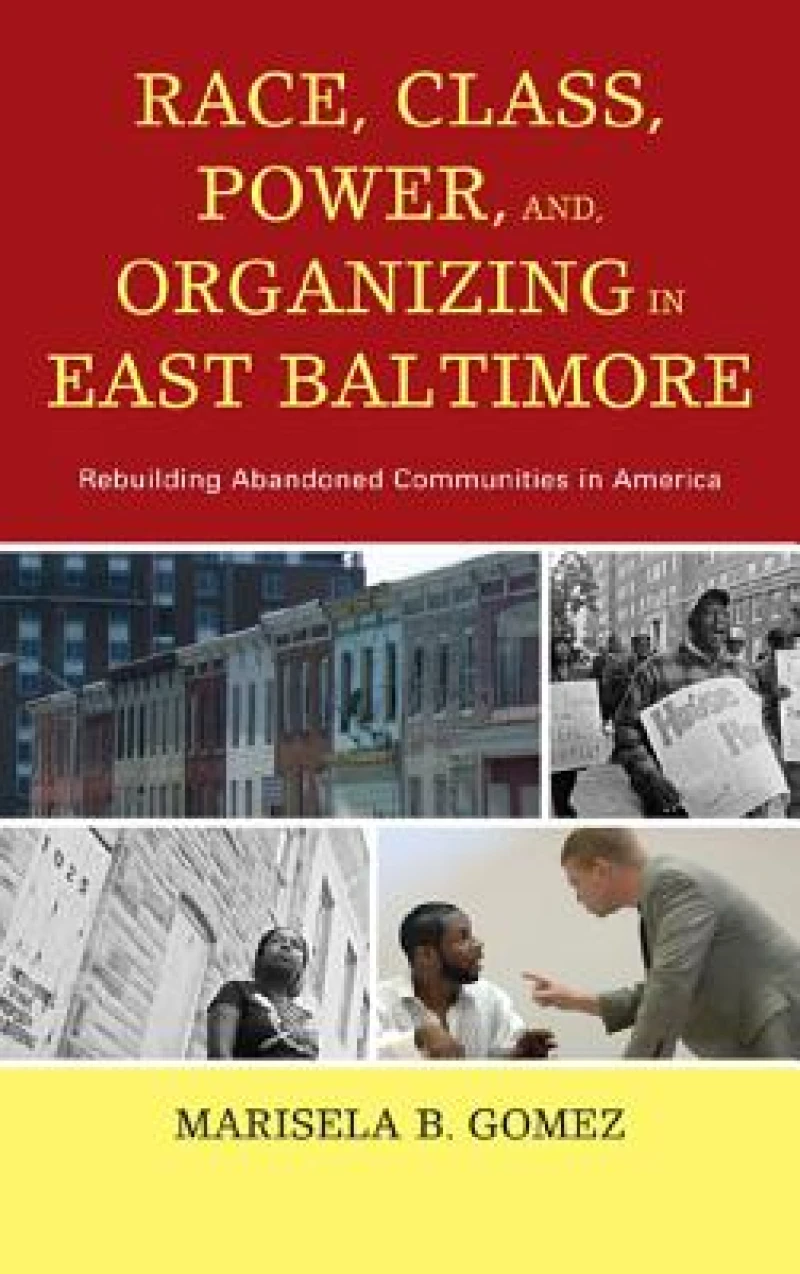
Race, Class, Power, and Organizing in East Baltimore : Rebuilding Abandoned Communities in America
Book Details
Format
Hardback or Cased Book
ISBN-10
0739175009
ISBN-13
9780739175002
Publisher
Bloomsbury Publishing Plc
Imprint
Lexington Books
Country of Manufacture
GB
Country of Publication
GB
Publication Date
Dec 14th, 2012
Print length
300 Pages
Weight
558 grams
Dimensions
23.50 x 16.00 x 2.70 cms
Product Classification:
Regional studiesIllness & addiction: social aspectsSocial groupsHuman geography
Ksh 21,300.00
Manufactured on Demand
0 in stock
Delivery Location
Delivery fee: Select location
Secure
Quality
Fast
This book examines the historical and current practices of rebuilding abandoned and disinvested communities in America. Using a community in East Baltimore as an example, Race, Class, Power, and Organizing in East Baltimore shows how the social structure of race and class segregation of the past contributed in the creation of our present day urban poor and low-income communities of color; and continue to affect the way we rebuild these communities today. Specific to East Baltimore is the presence of a powerful and prestigious medical complex which has directly and indirectly affected the abandonment and rebuilding of East Baltimore. While it has grown in power and land over the past 100 years, the neighborhoods around it have decreased in size and capital, widening the gap between the rich and the poor. The author offers a critical analysis of the relationships between powerful private institutions like the Johns Hopkins Medical Institutions and government and their intention in rebuilding urban communities by asking the question “How do we determine equity in benefit?” Focusing on a current rebuilding project using eminent domain to displace historical African-American communities, and the acquiring of land for private development, this book details the role of community organizing in challenging these types of non-community participatory rebuilding processes, resulting in the gentrification of urban neighborhoods. The detailed analysis of the community organizing process when families are displaced offers similarly affected communities a tool box for challenging current developers and government in unfair rebuilding practices. The context of these practices highlights the current laws and policies that contribute to continued displacement and disadvantage to poor communities without addressing the rhetoric of the intention of government-subsidized private development. This book examines the effect of such non-participatory and non-transparent rebuilding practices on the health of the people and place.
This book examines the historical and current practices of rebuilding abandoned and disinvested communities in America. Using a community in East Baltimore as an example, Race, Class, Power, and Organizing in East Baltimore shows how the social structure of race and class segregation of the past contributed in the creation of our present day urban poor and low-income communities of color; and continue to affect the way we rebuild these communities today. Specific to East Baltimore is the presence of a powerful and prestigious medical complex which has directly and indirectly affected the abandonment and rebuilding of East Baltimore. While it has grown in power and land over the past 100 years, the neighborhoods around it have decreased in size and capital, widening the gap between the rich and the poor. The author offers a critical analysis of the relationships between powerful private institutions like the Johns Hopkins Medical Institutions and government and their intention in rebuilding urban communities by asking the question “How do we determine equity in benefit?” Focusing on a current rebuilding project using eminent domain to displace historical African-American communities, and the acquiring of land for private development, this book details the role of community organizing in challenging these types of non-community participatory rebuilding processes, resulting in the gentrification of urban neighborhoods. The detailed analysis of the community organizing process when families are displaced offers similarly affected communities a tool box for challenging current developers and government in unfair rebuilding practices. The context of these practices highlights the current laws and policies that contribute to continued displacement and disadvantage to poor communities without addressing the rhetoric of the intention of government-subsidized private development. This book examines the effect of such non-participatory and non-transparent rebuilding practices on the health of the people and place.
Get Race, Class, Power, and Organizing in East Baltimore by at the best price and quality guaranteed only at Werezi Africa's largest book ecommerce store. The book was published by Bloomsbury Publishing Plc and it has pages.

