
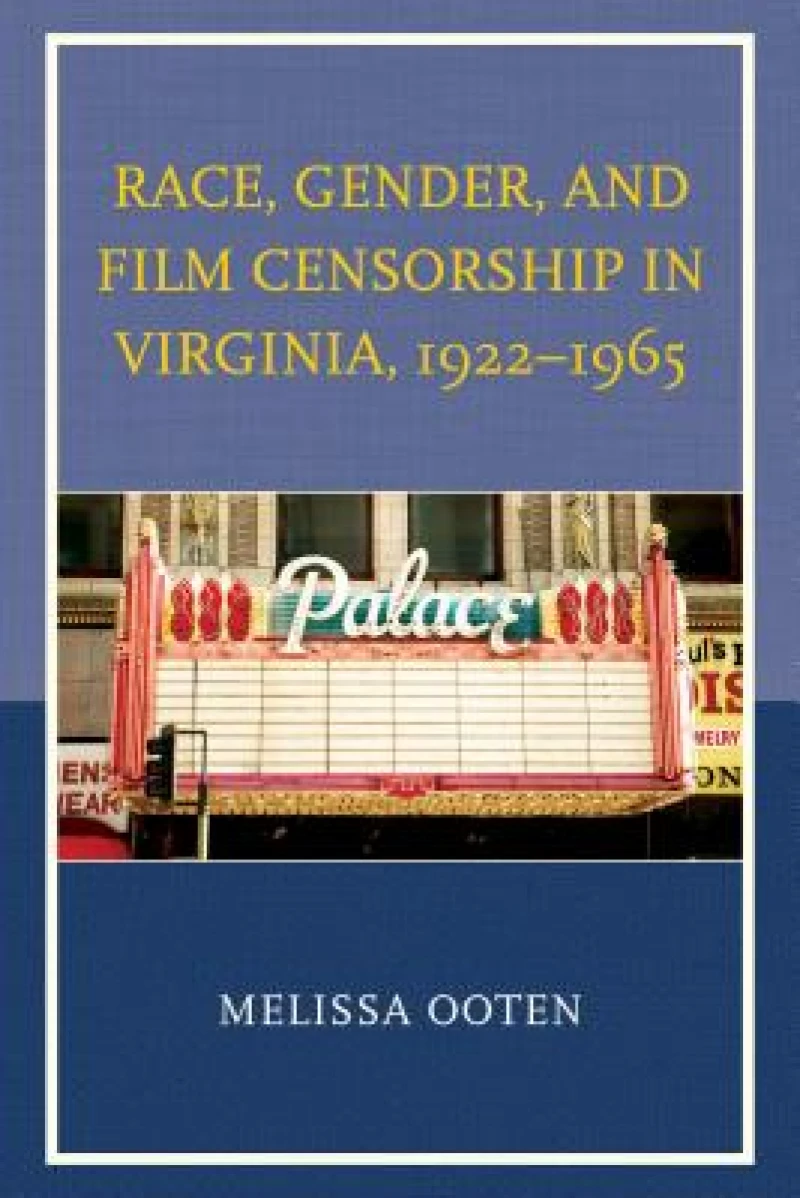
Race, Gender, and Film Censorship in Virginia, 1922–1965
Book Details
Format
Hardback or Cased Book
Book Series
New Studies in Southern History
ISBN-10
0739190296
ISBN-13
9780739190296
Publisher
Bloomsbury Publishing Plc
Imprint
Lexington Books
Country of Manufacture
GB
Country of Publication
GB
Publication Date
Dec 18th, 2014
Print length
220 Pages
Weight
480 grams
Dimensions
16.00 x 26.30 x 2.20 cms
Ksh 18,400.00
Manufactured on Demand
0 in stock
Delivery Location
Delivery fee: Select location
Secure
Quality
Fast
This book chronicles the history of movie censorship in Virginia from the 1920s to 1960s. Ooten uses the contestations surrounding film censorship as a framework for more fully understanding the dominant political, economic, and cultural hierarchies that structured Virginia in the mid-twentieth century.
This book chronicles the history of movie censorship in Virginia from the 1920s to 1960s. At its most basic level, it analyzes the project of state film censorship in Virginia. It uses the contestations surrounding film censorship as a framework for more fully understanding the dominant political, economic, and cultural hierarchies that structured Virginia and much of the New South in the mid-twentieth century and ways in which citizens contested these prevailing structures. This study highlights the centrality of gendered and racialized discourses in the debates over the movies and the broader regulatory power of the state. It particularly emphasizes ways in which issues of race, class, gender, and sexuality framed debates over popular culture in the South. It ties the regulation of racial and sexual boundaries in other areas such as public facilities, schools, public transportation, the voting booth, and residential housing to ways in which censors regulated those same boundaries in popular culture. This book shows how the same racialized and gendered social norms and legal codes that placed audience members in different theater spaces also informed ways in which what they viewed on-screen had been mediated by state officials. Ultimately, this study shows how Virginia’s officials attempted to use the project of film censorship as the cultural arm of regulation to further buttress the state’s political and economic hierarchies of the time period and the ways in various citizens and community groups supported and challenged these hierarchies across the censorship board’s forty-three-year history.
Get Race, Gender, and Film Censorship in Virginia, 1922–1965 by at the best price and quality guaranteed only at Werezi Africa's largest book ecommerce store. The book was published by Bloomsbury Publishing Plc and it has pages.

