
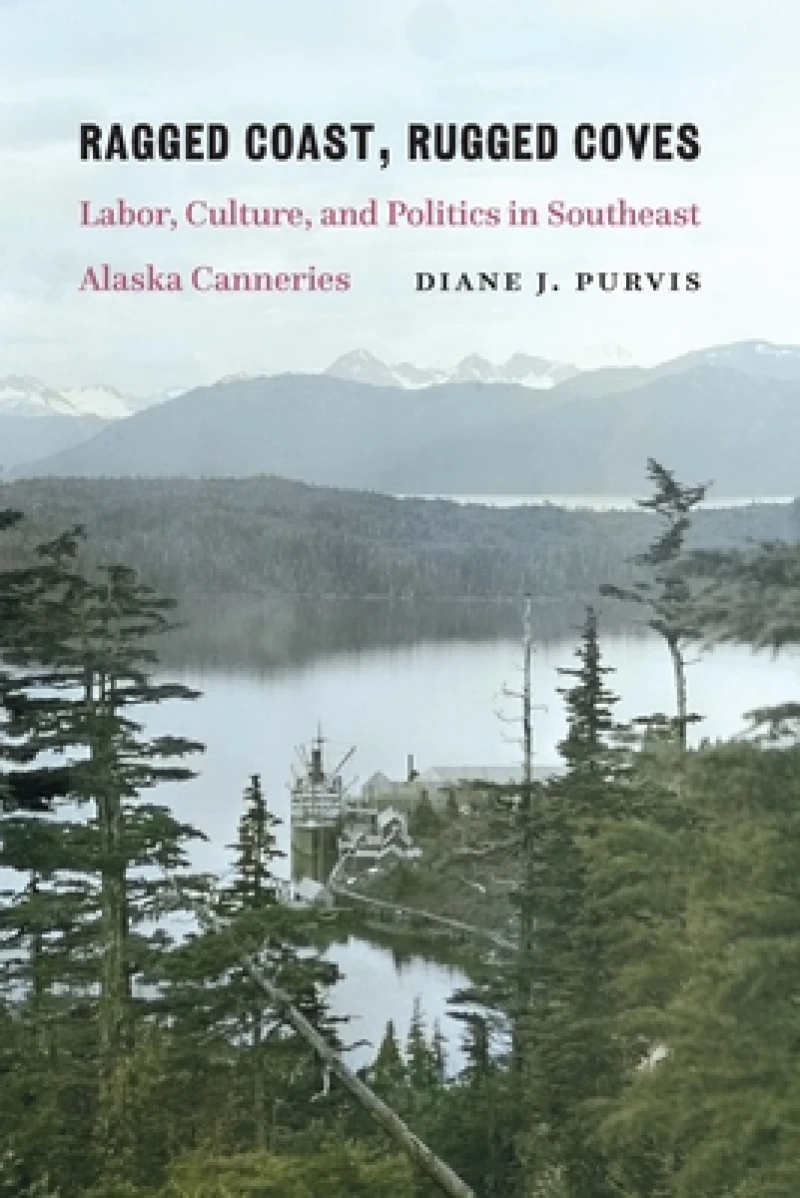
Ragged Coast, Rugged Coves : Labor, Culture, and Politics in Southeast Alaska Canneries
Book Details
Format
Paperback / Softback
ISBN-10
1496225880
ISBN-13
9781496225887
Publisher
University of Nebraska Press
Imprint
University of Nebraska Press
Country of Manufacture
GB
Country of Publication
GB
Publication Date
Sep 1st, 2021
Print length
384 Pages
Ksh 3,600.00
Werezi Extended Catalogue
0 in stock
Delivery Location
Delivery fee: Select location
Secure
Quality
Fast
Ragged Coast, Rugged Coves explores the untold story of cannery workers in Southeast Alaska from 1878, when the first cannery was erected on the Alexander Archipelago, through the Cold War. The cannery jobs brought waves of immigrants, starting with Chinese, followed by Japanese, and then Filipino nationals. Working alongside these men were Alaska Native women, trained from childhood in processing salmon. Because of their expertise, these women remained the mainstay of employment in these fish factories for decades while their husbands or brothers fished, often for the same company.
Canned salmon was territorial Alaska’s most important industry. The tax revenue, though meager, kept the local government running, and as corporate wealth grew, it did not take long for a mix of socioeconomic factors and politics to affect every aspect of the lands, waters, and population. During this time the workers formed a bond and shared their experiences, troubles, and joys. Alaska Natives and Chinese, Japanese, and Filipino immigrants brought elements from their ethnic heritage into the mix, creating a cannery culture.
Although the labor was difficult and frequently unsafe, the cannery workers and fishermen were not victims. When they saw injustice, they acted on the threat. In the process, the Tlingits and Haidas, clans of Southeast Alaska for more than ten thousand years, aligned their interests with Filipino activists and the union movement. Ragged Coast, Rugged Coves tells the powerful story of diverse peoples uniting to triumph over adversity.
Canned salmon was territorial Alaska’s most important industry. The tax revenue, though meager, kept the local government running, and as corporate wealth grew, it did not take long for a mix of socioeconomic factors and politics to affect every aspect of the lands, waters, and population. During this time the workers formed a bond and shared their experiences, troubles, and joys. Alaska Natives and Chinese, Japanese, and Filipino immigrants brought elements from their ethnic heritage into the mix, creating a cannery culture.
Although the labor was difficult and frequently unsafe, the cannery workers and fishermen were not victims. When they saw injustice, they acted on the threat. In the process, the Tlingits and Haidas, clans of Southeast Alaska for more than ten thousand years, aligned their interests with Filipino activists and the union movement. Ragged Coast, Rugged Coves tells the powerful story of diverse peoples uniting to triumph over adversity.
Get Ragged Coast, Rugged Coves by at the best price and quality guaranteed only at Werezi Africa's largest book ecommerce store. The book was published by University of Nebraska Press and it has pages.

