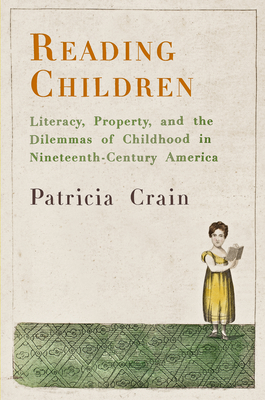
Reading Children : Literacy, Property, and the Dilemmas of Childhood in Nineteenth-Century America
Book Details
Format
Paperback / softback
Book Series
Material Texts
ISBN-10
0812223535
ISBN-13
9780812223538
Publisher
University of Pennsylvania Press
Imprint
University of Pennsylvania Press
Country of Manufacture
US
Country of Publication
GB
Publication Date
Dec 15th, 2017
Print length
277 Pages
Product Classification:
Literary studies: c 1800 to c 1900 Children’s & teenage literature studiesCultural studies
KSh 6,300.00
Currently unavailable
0 in stock
Delivery Location
Delivery fee: Select location
Secure
Quality
Fast
What does it mean for a child to be a "reader" and how did American culture come to place such a high value on this identity? Reading Children offers a history of the relationship between children and books in Anglo-American modernity, exploring long-lived but now forgotten early children's literature, discredited yet highly influential pedagogical practices, the property lessons inherent in children's book ownership, and the emergence of childhood itself as a literary property. The nursery and schoolroom version of the social contract, Crain argues, underwrote children's entry not only into reading and writing but also into a world of commodity and property relations. Increasingly positioned as an indispensable form of cultural capital by the end of the eighteenth century, literacy became both the means and the symbol of children's newly recognized self-possession and autonomy. At the same time, as children's legal and economic status was changing, "childhood" emerged as an object of nostalgia for adults. Literature for children enacted the terms of children's self-possession, often with explicit references to property, contracts, or inheritances, and yet also framed adult longing for an imagined past called "childhood." Dozens of colorful illustrations chart the ways in which early literature for children was transformed into spectacle through new image technologies and a burgeoning marketplace that capitalized on nostalgic fantasies of childhood conflated with bowdlerized fantasies of history. Reading Children offers new terms for thinking about the imbricated and mutually constitutive histories of literacy, property, and childhood in the eighteenth and nineteenth centuries that ground current anxieties and long-held beliefs about childhood and reading.
Get Reading Children by Patricia Crain at the best price and quality guaranteed only at Werezi Africa's largest book ecommerce store. The book was published by University of Pennsylvania Press and it has 277 pages.
Customers Who Bought This Also Bought
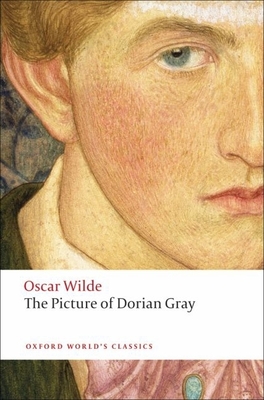
The Picture of Dorian Gray
KSh 1,250.00
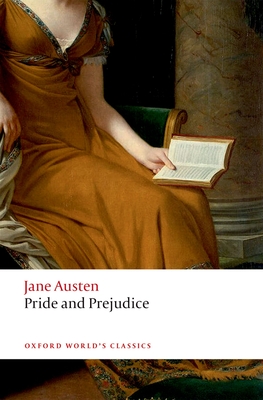
Pride and Prejudice
KSh 1,150.00
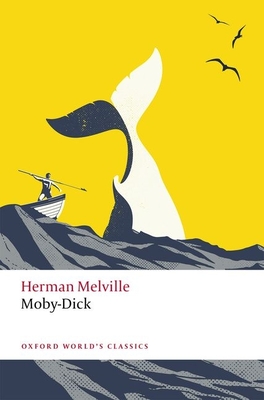
Moby-Dick
KSh 1,750.00
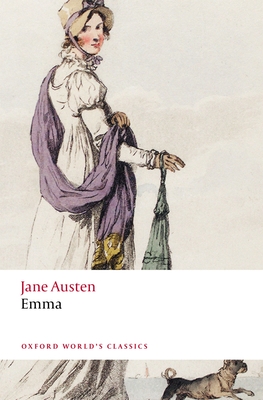
Emma
KSh 1,350.00
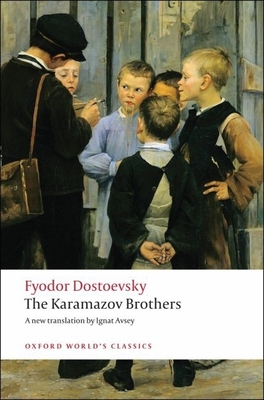
The Karamazov Brothers
KSh 2,100.00
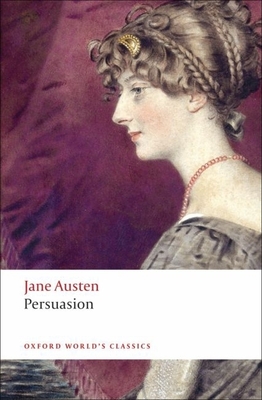
Persuasion
KSh 1,100.00
Bleak House
KSh 2,150.00
What Matters in Jane Austen?
KSh 2,700.00
A Tale of Two Cities
KSh 1,200.00
Little Women
KSh 1,550.00
David Copperfield
KSh 2,100.00
Mansfield Park
KSh 1,250.00