
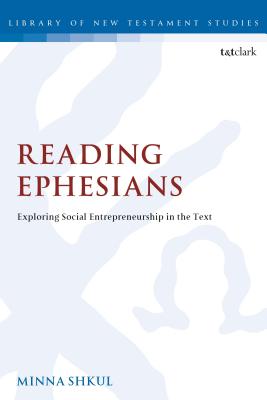
Reading Ephesians : Exploring Social Entrepreneurship in the Text
Book Details
Format
Paperback / softback
Book Series
The Library of New Testament Studies
ISBN-10
0567689263
ISBN-13
9780567689269
Publisher
Bloomsbury Publishing PLC
Imprint
T.& T.Clark Ltd
Country of Manufacture
GB
Country of Publication
GB
Publication Date
Jun 27th, 2019
Print length
304 Pages
Weight
454 grams
Dimensions
38.70 x 19.20 x 1.40 cms
Product Classification:
The Early ChurchNew Testaments
KSh 6,300.00
Werezi Extended Catalogue
Delivery in 12 days
1 copies in stock
Delivery Location
Delivery fee: Select location
Delivery in 12 days
Secure
Quality
Fast
Minna Shkul examines how Ephesians engages in social entrepreneurship - the deliberate shaping of emerging Christian Identity through provision of ideological and social paradigms for the fledgling Christian community. Shkul uses social entrepreneurship as an umbrella for a variety of social processes reflected in the text. This eclectic theoretical framework and deutero-Pauline reading position has two key aims. The first is to offer a theoretically informed social-scientific reading which demonstrates the extensive socio-ideological shaping within the text, and displays the writer's negotiation of different group processes throughout the letter. The second is to examine emerging Christian identity in the text, testing its ideological and social contours and its reforms upon Jewish traditions. Crucially this is done without the theological presupposition that something was wrong with the Judaism practised at the time, but rather by focusing upon the divine ‘legitimating' of the Christian group and its culture. These readings of Ephesians examine how the writer engages in a self-enhancing discourse that reinforces basic components of communality. These include the construction of a positive in-group identity and the provision of ideological and social legitimating for the community. Shkul also discusses the textual reflection of communal relations in other groups in Greco-Roman antiquity. She examines how Christ-followers are positioned in a Jewish symbolic universe, which is forced to make room for Christ and his non-Israelite followers. Finally, she explores the attitude toward non-Israelites within Ephesians, and their need for re-socialization.
Minna Shkul examines how Ephesians engages in social entrepreneurship - the deliberate shaping of emerging Christian Identity through provision of ideological and social paradigms for the fledgling Christian community. Shkul uses social entrepreneurship as an umbrella for a variety of social processes reflected in the text. This eclectic theoretical framework and deutero-Pauline reading position has two key aims. The first is to offer a theoretically informed social-scientific reading which demonstrates the extensive socio-ideological shaping within the text, and displays the writer''s negotiation of different group processes throughout the letter. The second is to examine emerging Christian identity in the text, testing its ideological and social contours and its reforms upon Jewish traditions. Crucially this is done without the theological presupposition that something was wrong with the Judaism practised at the time, but rather by focusing upon the divine ‘legitimating'' of the Christian group and its culture.
These readings of Ephesians examine how the writer engages in a self-enhancing discourse that reinforces basic components of communality. These include the construction of a positive in-group identity and the provision of ideological and social legitimating for the community. Shkul also discusses the textual reflection of communal relations in other groups in Greco-Roman antiquity. She examines how Christ-followers are positioned in a Jewish symbolic universe, which is forced to make room for Christ and his non-Israelite followers. Finally, she explores the attitude toward non-Israelites within Ephesians, and their need for re-socialization.
Get Reading Ephesians by Dr Minna Shkul at the best price and quality guaranteed only at Werezi Africa's largest book ecommerce store. The book was published by Bloomsbury Publishing PLC and it has 304 pages.
Customers Who Bought This Also Bought
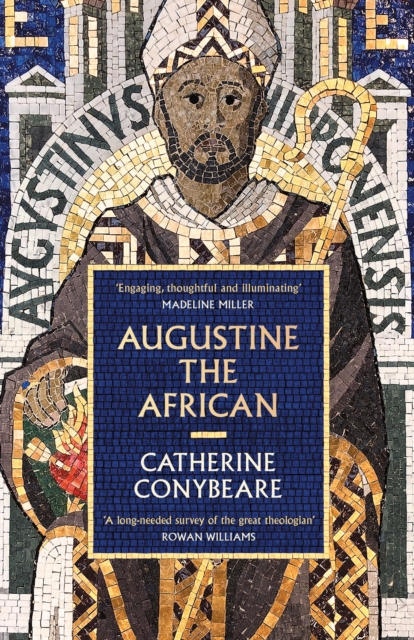
Augustine the African
KSh 4,500.00
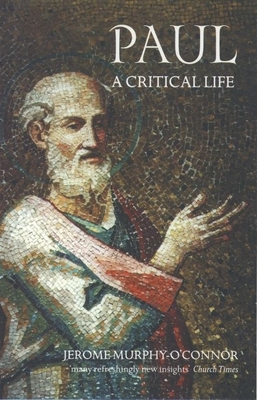
Paul: A Critical Life
KSh 7,400.00

St Paul
KSh 2,000.00

Paul
KSh 4,700.00
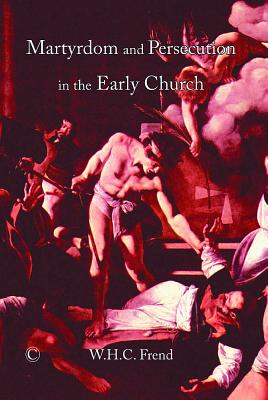
Martyrdom and Persecution in the Early Church
KSh 9,500.00

Patrology
KSh 12,250.00
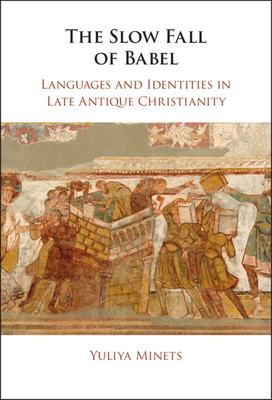
The Slow Fall of Babel
KSh 17,800.00

Exegesis and Theology in Early Christianity
KSh 33,000.00

Resurrection and Reception in Early Christianity
KSh 10,100.00

Gregory The Great
KSh 30,950.00

Die Begruendung der Erkenntnis nach Bernhard von Clairvaux
KSh 11,700.00

How Christians Can Succeed Today
KSh 3,050.00
