
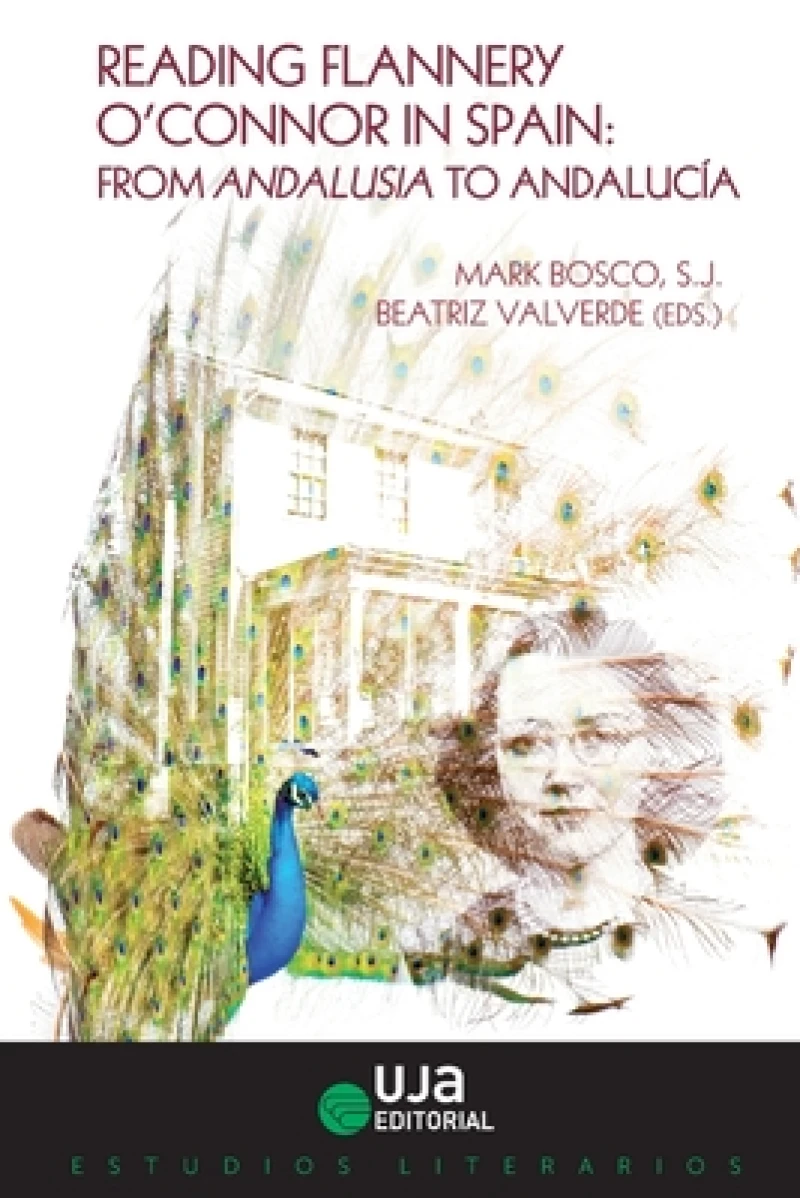
Reading Flannery O''Connor in Spain : From Andalusia to Andalucia
Book Details
Format
Paperback / Softback
ISBN-10
0813233178
ISBN-13
9780813233178
Publisher
The Catholic University of America Press
Imprint
The Catholic University of America Press
Country of Manufacture
US
Country of Publication
GB
Publication Date
Jun 30th, 2020
Print length
220 Pages
Weight
330 grams
Dimensions
15.30 x 22.90 x 1.80 cms
Ksh 5,800.00
Werezi Extended Catalogue
Delivery in 14 days
1 copies in stock
Delivery Location
Delivery fee: Select location
Delivery in 14 days
Secure
Quality
Fast
Places Flannery O'Connor's work in constructive and collaborative dialogue with Spanish literature and literary aesthetics. Contributors explore the ways in which O'Connor's literary and religious vision continues to work in the imaginations of both American and European - mostly Spanish - authors.
This collection of essays places Flannery O’Connor’s work in constructive and collaborative dialogue with Spanish literature and literary aesthetics. The international scholars who contributed to this volume explore the ways in which O’Connor’s literary and religious vision continues to work in the imaginations of both American and European—mostly Spanish—authors. The subtitle of the collection—From Andalusia to Andalucía—is a play on the name of O’Connor’s family farm in Milledgeville, Georgia—Andalusia—where she spent the last sixteen years of her life living with her mother. It is said that the farm’s name was chosen because its location in Milledgeville was the farthest north the Spanish explorers of the sixteenth century traveled in the eastern U.S. before returning to Florida to establish permanent Spanish settlements. While perhaps colloquial in its origins, it is, nevertheless, a fitting and emblematic link between the Southern Gothic aesthetics of O’Connor’s Andalusia and the baroque heritage of southern Spain’s Andalucía.
The essays in this collection explore O’Connor’s literary vision through three interpretive lenses: first, through the relationship of the literary grotesque (a genre that often defines her work) with the Spanish baroque aesthetics that have come to define Spain’s artistic heritage; second, through the relationship between O’Connor’s literary imagination and the literature of other European writers that broaden the intellectual conversation about her work; and, third, through comparisons with other writers whose Catholic imaginations made their work—as the Jesuit poet Gerard Manley Hopkins puts it—“counter, original, spare, strange.” As the essays contained in this volume show, the work of Flannery O’Connor continues to bear rich intellectual and spiritual fruit when engaging with enculturated literary and aesthetic traditions.
The essays in this collection explore O’Connor’s literary vision through three interpretive lenses: first, through the relationship of the literary grotesque (a genre that often defines her work) with the Spanish baroque aesthetics that have come to define Spain’s artistic heritage; second, through the relationship between O’Connor’s literary imagination and the literature of other European writers that broaden the intellectual conversation about her work; and, third, through comparisons with other writers whose Catholic imaginations made their work—as the Jesuit poet Gerard Manley Hopkins puts it—“counter, original, spare, strange.” As the essays contained in this volume show, the work of Flannery O’Connor continues to bear rich intellectual and spiritual fruit when engaging with enculturated literary and aesthetic traditions.
Get Reading Flannery O''Connor in Spain by at the best price and quality guaranteed only at Werezi Africa's largest book ecommerce store. The book was published by The Catholic University of America Press and it has pages.

