
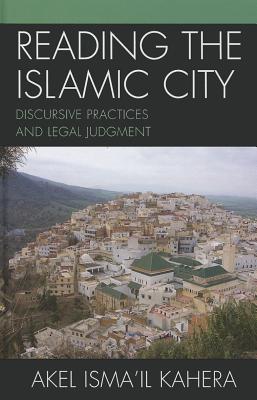
Reading the Islamic City : Discursive Practices and Legal Judgment
Book Details
Format
Hardback
Book Series
Toposophia: Thinking Place/Making Space
ISBN-10
0739110012
ISBN-13
9780739110010
Publisher
Bloomsbury Publishing Plc
Imprint
Lexington Books
Country of Manufacture
GB
Country of Publication
GB
Publication Date
Dec 30th, 2011
Print length
180 Pages
Weight
424 grams
Dimensions
23.20 x 15.90 x 1.90 cms
KSh 18,300.00
Currently unavailable
0 in stock
Delivery Location
Delivery fee: Select location
Secure
Quality
Fast
While it seems clear that the shari’ah had a formative influence on property rights, public space and land use, the primary aim of this book is to study what implications the practice of the Maliki school of Islamic law have for the inhabitants of the Islamic city (madinah).
Reading the Islamic City offers insights into the implications the practices of the Maliki school of Islamic law have for the inhabitants of the Islamic city, the madinah. The problematic term madinah fundamentally indicates a phenomenon of building, dwelling, and urban settlement patterns that evolved after the 7th century CE in the Maghrib (North Africa) and al-Andalusia (Spain). Madinah involves multiple contexts that have socio-religious functions and symbolic connotations related to the faith and practice of Islam, and can be viewed in terms of a number of critiques such as everyday lives, boundaries, utopias, and dystopias. The book considers Foucault’s power/knowledge matrix as it applies to an erudite cadre of scholars and legal judgments in the realm of architecture and urbanism. It acknowledges the specificity of power/knowledge insofar as it provides a dominant framework to tackle property rights, custom, noise, privacy, and a host of other subjects. Scholars of urban studies, religion, history, and geography will greatly benefit from this vivid analysis of the relevance of the juridico-discursive practice of Maliki Law in a set of productive or formative discourses in the Islamic city.
Get Reading the Islamic City by Akel Ismail Kahera at the best price and quality guaranteed only at Werezi Africa's largest book ecommerce store. The book was published by Bloomsbury Publishing Plc and it has 180 pages.
Customers Who Bought This Also Bought
Architectural Digest at 100
KSh 16,200.00

Architecture
KSh 7,550.00
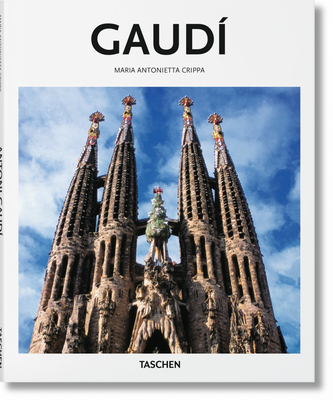
Gaudí
KSh 3,250.00

Literary Landscap
KSh 3,950.00

Architecture
KSh 2,350.00

Architecture
KSh 2,700.00
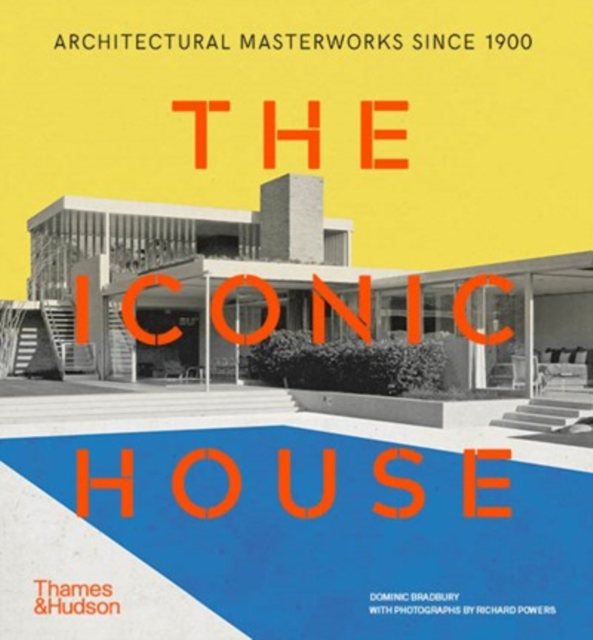
The Iconic House
KSh 5,200.00
Architecture''s Historical Turn
KSh 4,550.00
The Iconic House
KSh 5,500.00
Architectural Theory. Pioneering Texts on Architecture from the Renaissance to Today
KSh 6,350.00

Death and Life of Great American Cities
KSh 3,600.00
History of the Decline and Fall of the Roman Empire
KSh 4,850.00


