
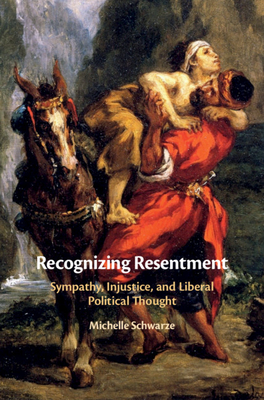
Recognizing Resentment : Sympathy, Injustice, and Liberal Political Thought
Book Details
Format
Hardback
ISBN-10
1108478662
ISBN-13
9781108478663
Publisher
Cambridge University Press
Imprint
Cambridge University Press
Country of Manufacture
GB
Country of Publication
GB
Publication Date
Oct 22nd, 2020
Print length
178 Pages
Weight
414 grams
Dimensions
23.50 x 16.10 x 1.70 cms
KSh 15,650.00
Currently unavailable
0 in stock
Delivery Location
Delivery fee: Select location
Secure
Quality
Fast
We typically think of resentment as an unjustifiable and volatile emotion. Recognizing Resentment argues instead that sympathy with the resentment of victims of injustice is vital for upholding justice in liberal societies, because it entails recognition of the equal moral and political status of those with whom we sympathize.
We typically think of resentment as an unjustifiable and volatile emotion, responsible for fostering the worst political divisions. Recognizing Resentment argues instead that sympathy with the resentment of victims of injustice is vital for upholding justice in liberal societies, as it entails recognition of the equal moral and political status of those with whom we sympathize. Sympathizing with the resentment of others makes us alive to injustice in a way no rational recognition of wrongs alone can, and it motivates us to demand justice on others'' behalves. This book rehabilitates arguments for the moral and political worth of resentment developed by three influential thinkers in the early liberal tradition - Joseph Butler, David Hume, and Adam Smith - and uses these to advance a theory of spectatorial resentment, discussing why we should be indignant about the injustice others face, and how such a shared sentiment can actually bring liberal citizens closer together.
Get Recognizing Resentment by Michelle Schwarze at the best price and quality guaranteed only at Werezi Africa's largest book ecommerce store. The book was published by Cambridge University Press and it has 178 pages.
Customers Who Bought This Also Bought

End of History and the Last Man
KSh 2,700.00

12 Rules for Life
KSh 2,350.00
The 48 Laws of Power
KSh 4,700.00

Second Treatise of Government – Norton Library
KSh 1,600.00
Discipline and Punish
KSh 2,350.00

The Prince The Original Classic
KSh 2,150.00
How to Be a Leader – An Ancient Guide to Wise Leadership
KSh 2,800.00

The Origin of Others
KSh 3,600.00
Outlines of the Philosophy of Right
KSh 2,500.00
How Fascism Works
KSh 2,900.00
The Prince
KSh 1,800.00

Who''s Afraid of Gender?
KSh 2,350.00
