
Book Details
Format
Hardback
ISBN-10
1610489888
ISBN-13
9781610489881
Edition
10 Special edition
Publisher
Bloomsbury Publishing Plc
Imprint
Rowman & Littlefield Publishers
Country of Manufacture
GB
Country of Publication
GB
Publication Date
Sep 29th, 2015
Print length
346 Pages
Weight
635 grams
Dimensions
23.60 x 15.90 x 3.00 cms
Product Classification:
Indigenous peoples / IndigeneityIndigenous peoples
KSh 17,100.00
Currently unavailable
0 in stock
Delivery Location
Delivery fee: Select location
Secure
Quality
Fast
This ground-breaking text explores the intersection between dominant modes of critical educational theory and the socio-political landscape of American Indian education. Grande asserts that, with few exceptions, the matters of Indigenous people and Indian education have been either largely ignored or indiscriminately absorbed within critical theories of education.
Get Red Pedagogy by Sandy Grande at the best price and quality guaranteed only at Werezi Africa's largest book ecommerce store. The book was published by Bloomsbury Publishing Plc and it has 346 pages.
Customers Who Bought This Also Bought

Democracy of Species
KSh 1,450.00

Men of Maize
KSh 3,050.00
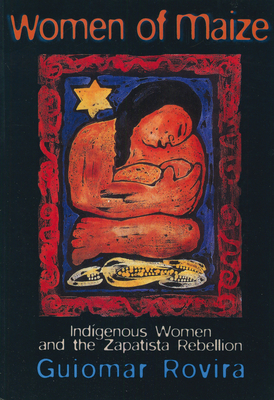
Women Of Maize
KSh 3,850.00

Ghost Nation
KSh 3,950.00

Thicker Than Water
KSh 2,000.00

Boudicca''s Daughter
KSh 3,400.00

Do The Work
KSh 2,500.00

Rainforest Warriors
KSh 4,300.00
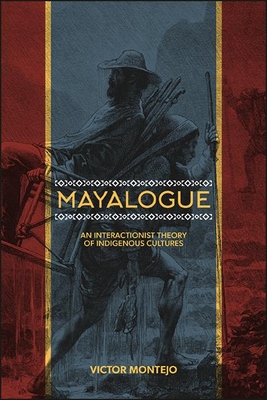
Mayalogue
KSh 4,600.00
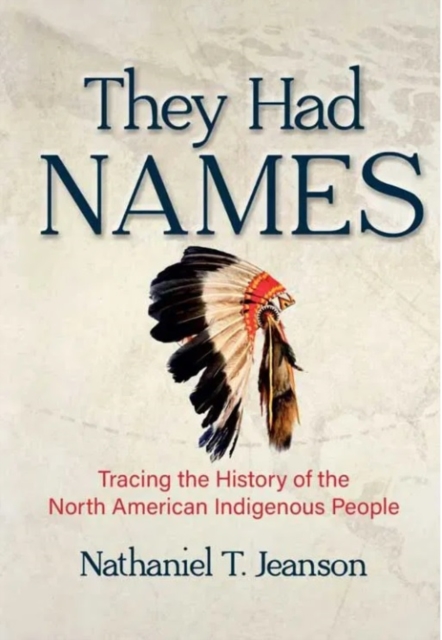
They Had Names
KSh 3,900.00
![Early Chapters of Seneca History [microform]](https://book-images.us-southeast-1.linodeobjects.com/images/9781015382565.jpg)
Early Chapters of Seneca History [microform]
KSh 4,300.00

The Annotated Pickett's History of Alabama
KSh 12,950.00