
Book Details
Format
Paperback / Softback
ISBN-10
0802808700
ISBN-13
9780802808707
Edition
New
Publisher
William B Eerdmans Publishing Co
Imprint
William B Eerdmans Publishing Co
Country of Manufacture
GB
Country of Publication
GB
Publication Date
Apr 5th, 1995
Print length
344 Pages
Weight
512 grams
Dimensions
15.40 x 22.90 x 2.50 cms
Ksh 5,400.00
Temporarily out of stock, due soon
0 in stock
Delivery Location
Delivery fee: Select location
Secure
Quality
Fast
This is a print on demand book and is therefore non- returnable.
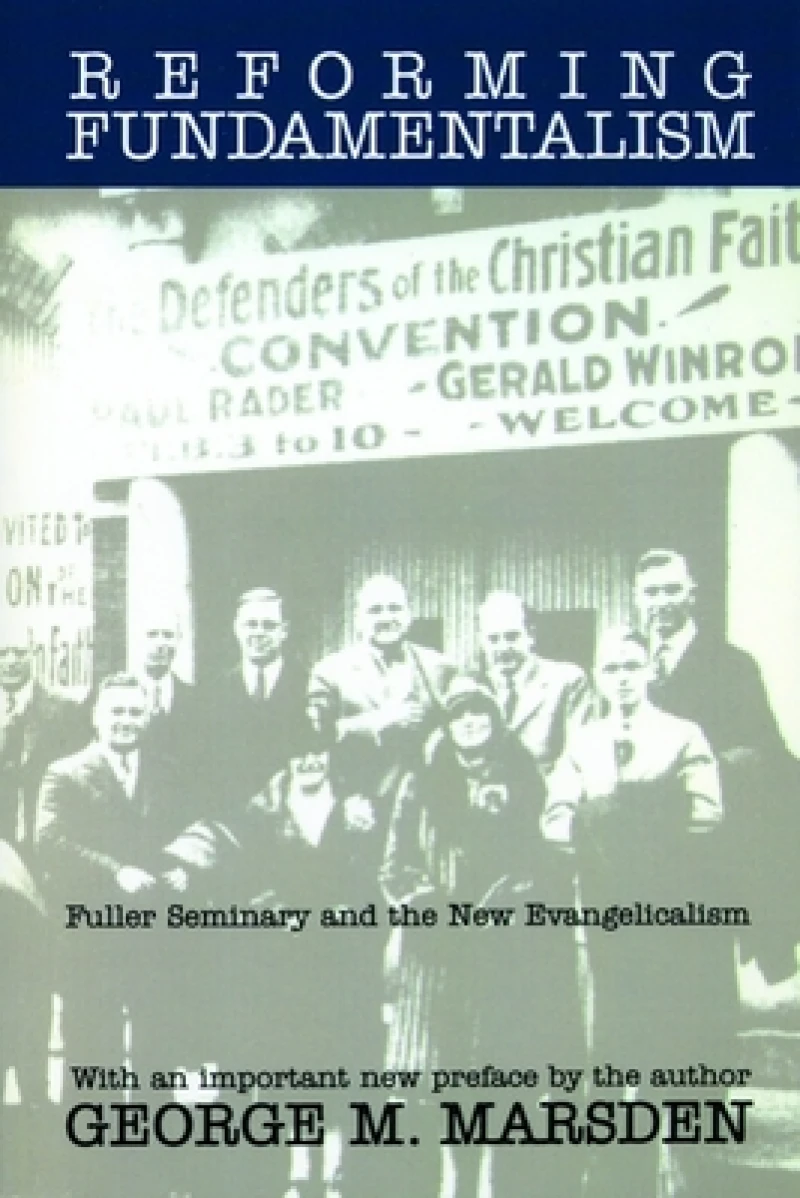
"The best telling of the story of the past," writes George Marsden, "relies on a balance of the general and the particular." In this book, a sequel and companion to his widely acclaimed Fundamentalism and American Culture (Oxford, 1980), Marsden uses the history of Fuller Theological Seminary — a durable evangelical institution — as a lens through which to focus an examination of the broader story of evangelicalism and fundamentalism since the 1940s.
In fact, at the time of the school's founding in 1947, "evangelicalism" and "fundamentalism" were not considered separate entities. Though Fuller Seminary later became so thoroughly identified with the "new evangelicalism" (or neo- evangelicalism) that its fundamentalist roots are sometimes overlooked, in the school's early years it was in striking ways a fundamentalist institution with a thoroughly fundamentalist constituency.
Marsden's detailed history relies heavily on primary sources: personal recollections and correspondence of the seminary's founders, and discussions with students and staff from throughout the seminary's history. Although the story of Fuller Seminary provides the framework for this fascinating look at a segment of American religious history, Marsden's careful and knowledgeable attention to the surrounding worlds of mainline denominations and stricter fundamentalism makes this book a major contribution to the study of a movement that has played an important role in shaping American culture.
"The best telling of the story of the past," writes George Marsden, "relies on a balance of the general and the particular." In this book, a sequel and companion to his widely acclaimed Fundamentalism and American Culture (Oxford, 1980), Marsden uses the history of Fuller Theological Seminary — a durable evangelical institution — as a lens through which to focus an examination of the broader story of evangelicalism and fundamentalism since the 1940s.
In fact, at the time of the school's founding in 1947, "evangelicalism" and "fundamentalism" were not considered separate entities. Though Fuller Seminary later became so thoroughly identified with the "new evangelicalism" (or neo- evangelicalism) that its fundamentalist roots are sometimes overlooked, in the school's early years it was in striking ways a fundamentalist institution with a thoroughly fundamentalist constituency.
Marsden's detailed history relies heavily on primary sources: personal recollections and correspondence of the seminary's founders, and discussions with students and staff from throughout the seminary's history. Although the story of Fuller Seminary provides the framework for this fascinating look at a segment of American religious history, Marsden's careful and knowledgeable attention to the surrounding worlds of mainline denominations and stricter fundamentalism makes this book a major contribution to the study of a movement that has played an important role in shaping American culture.
Get Reforming Fundamentalism by at the best price and quality guaranteed only at Werezi Africa's largest book ecommerce store. The book was published by William B Eerdmans Publishing Co and it has pages.

