

Refusing to Be Made Whole : Disability in Black Women's Writing
Book Details
Format
Paperback / softback
ISBN-10
1496855043
ISBN-13
9781496855046
Publisher
University Press of Mississippi
Imprint
University Press of Mississippi
Country of Manufacture
GB
Country of Publication
GB
Publication Date
Mar 17th, 2025
Print length
277 Pages
KSh 4,150.00
Currently unavailable
0 in stock
Delivery Location
Delivery fee: Select location
Secure
Quality
Fast
A cross-disciplinary analysis of how Black women writers theorize disability and Black womanhood
In Refusing to Be Made Whole: Disability in Black Women’s Writing, author Anna LaQuawn Hinton examines how contemporary Black women writers present becoming disabled as a traumatic and violent experience of Black womanhood. Nevertheless, Black women embrace disabled Black womanhood by turning to Africanist spiritual understandings of wholeness, which view debilitating injury and illness as not only physical but also spiritual, not just an individual problem but a symptom of discord in the community. Black women use these belief systems to reimagine healing in ways that make space for a variety of bodymindspirits. Hinton maintains that this is not only a major theme in contemporary Black women’s writing but that it also shapes the formal elements characteristic of the Black women’s literary tradition. Refusing to Be Made Whole analyzes texts published after the civil rights movements of the 1950s and 1960s, focusing particularly on the late 1970s onward when Black women’s writing flourished. Through the lens of writings by authors such as Toni Cade Bambara, Gayl Jones, Gloria Naylor, Ntozake Shange, Audre Lorde, Alice Walker, Toni Morrison, Octavia Butler, Sapphire, and Sarah E. Wright, Hinton addresses prominent critical discourses within Black feminist literary studies. Hinton approaches the intersections of Africanist spirituality, race, gender, class, and disability, conversations about representation, community, motherhood, and sexuality through a Black feminist disability studies framework. Refusing to Be Made Whole embraces the complex and multifaceted nature of Black women’s writing, arguing that through this collision of race, gender, and spirituality, Black women writers speak healing and wellness into their readers’ lives and their own.
Get Refusing to Be Made Whole by Anna LaQuawn Hinton at the best price and quality guaranteed only at Werezi Africa's largest book ecommerce store. The book was published by University Press of Mississippi and it has 277 pages.
Customers Who Bought This Also Bought

How to Read a Book
KSh 2,000.00
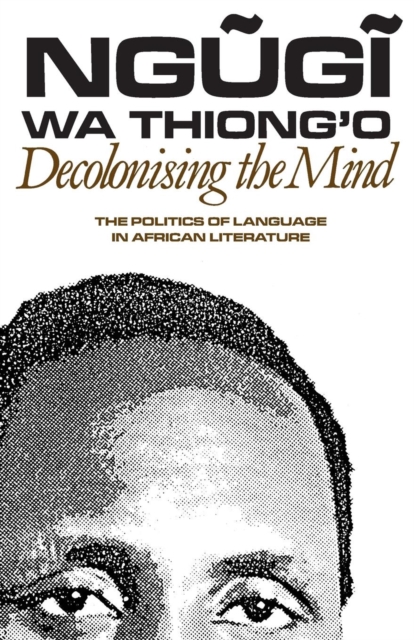
Decolonising the Mind
KSh 4,700.00

How to Read & Why
KSh 2,350.00
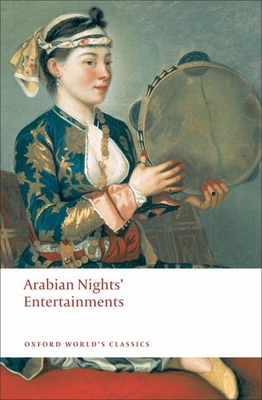
Arabian Nights'' Entertainments
KSh 2,950.00
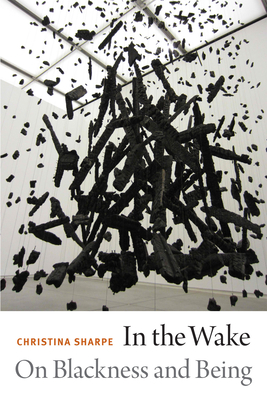
In the Wake
KSh 3,600.00
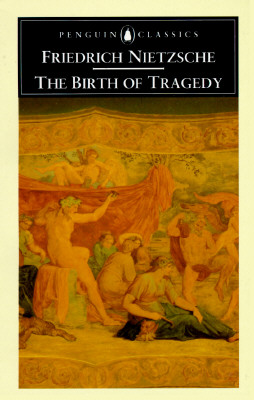
The Birth of Tragedy
KSh 1,800.00
Against Nature
KSh 1,800.00
The White Album
KSh 3,250.00
Robinson Crusoe
KSh 1,450.00
Metaphysical Poetry
KSh 2,350.00
Reading Lessons
KSh 2,350.00

Literature Book
KSh 4,250.00

