
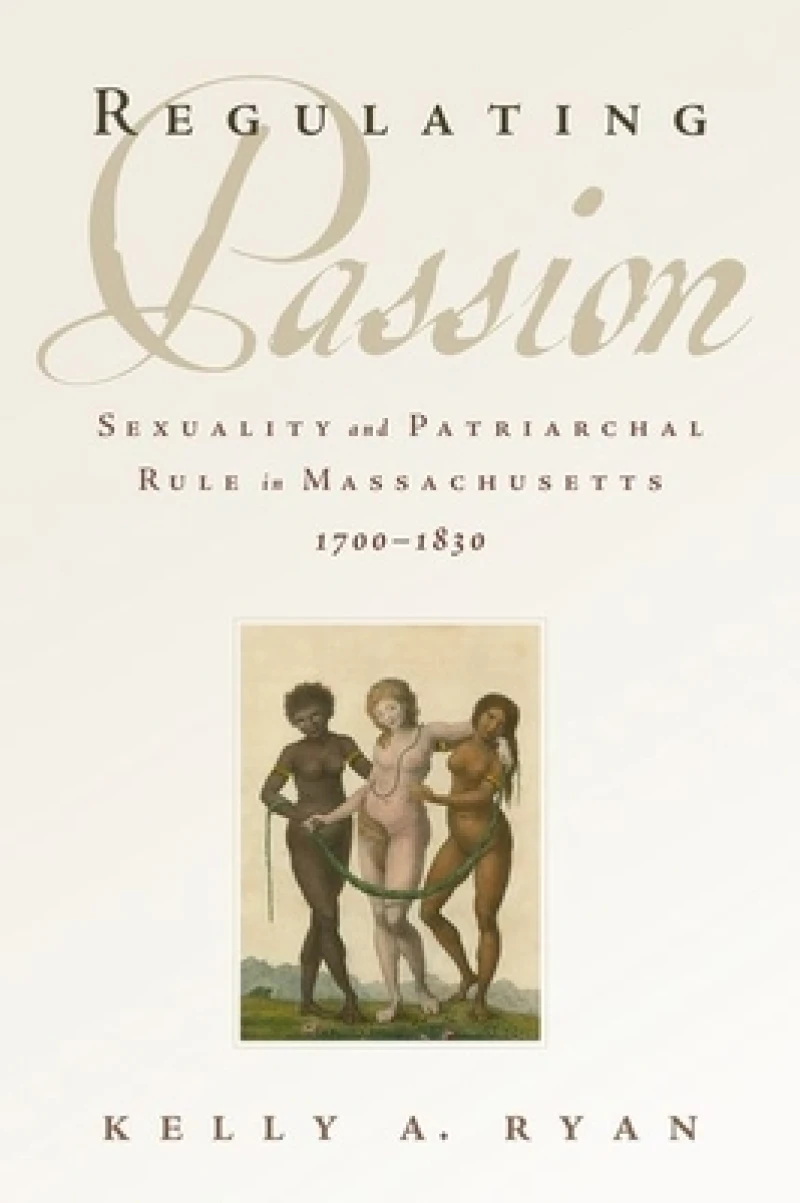
Regulating Passion : Sexuality and Patriarchal Rule in Massachusetts, 1700-1830
Book Details
Format
Hardback or Cased Book
ISBN-10
0199928428
ISBN-13
9780199928422
Publisher
Oxford University Press Inc
Imprint
Oxford University Press Inc
Country of Manufacture
GB
Country of Publication
GB
Publication Date
Jun 5th, 2014
Print length
288 Pages
Weight
512 grams
Dimensions
23.90 x 16.60 x 2.60 cms
Ksh 13,750.00
Manufactured on Demand
0 in stock
Delivery Location
Delivery fee: Select location
Secure
Quality
Fast
Regulating Passion examines how the American Revolution changed the nature of patriarchal rule by shattering old ways of penalizing and publishing illicit sexual behavior and more people embarked on policing the sexual morality of society.
Sexuality was a critical factor that influenced the ways individuals experienced, learned and contested their place in early Massachusetts history. Sexual regulation and derisive sexual characterizations were tools in maintaining the wealth, race, and gender based hierarchy. In the colonial era, a reputation for sexual virtue was most easily maintained by elites, who had the means to avoid sexual regulation. They enacted public and private sexual regulation through the patriarchal household, as well as government and religious institutions. Elites designed laws, judicial and religious practices, institutions, and sermons that betrayed their sense that some groups of persons were criminal, the cause of sexual vice, and in need of supervision, while others were chaste and above reproach in their sexual behavior. Women, African Americans, Indians, and the poor often resisted the efforts of elites and established their own code of sexual conduct that combatted ideas about what constituted sexual virtue and who the proper leaders in society were. After the American Revolution elites were forced to vacate direct sexual regulation, but they sustained a vision of themselves as leaders and superior to others. During the nineteenth century, sexual reputation grew in importance in sustaining hierarchy by solidifying the sexual identities of poor, wealthy, whites, and men and women of color. A new culture of sexual virtue emerged that was a project of the majority of individuals in society as they segregated themselves, read literature, reported aberrant behavior to JPs, and interceded with family and friends to promote sexual morality. The standards that dictated the cultural of sexual virtue included sentimentalism, the marital monopoly on sex, and adherence to patriarchal gendered codes of behavior. Sexual mores remained essential to the project of differentiating between the virtue of citizens and contesting power structures.
Get Regulating Passion by at the best price and quality guaranteed only at Werezi Africa's largest book ecommerce store. The book was published by Oxford University Press Inc and it has pages.

