
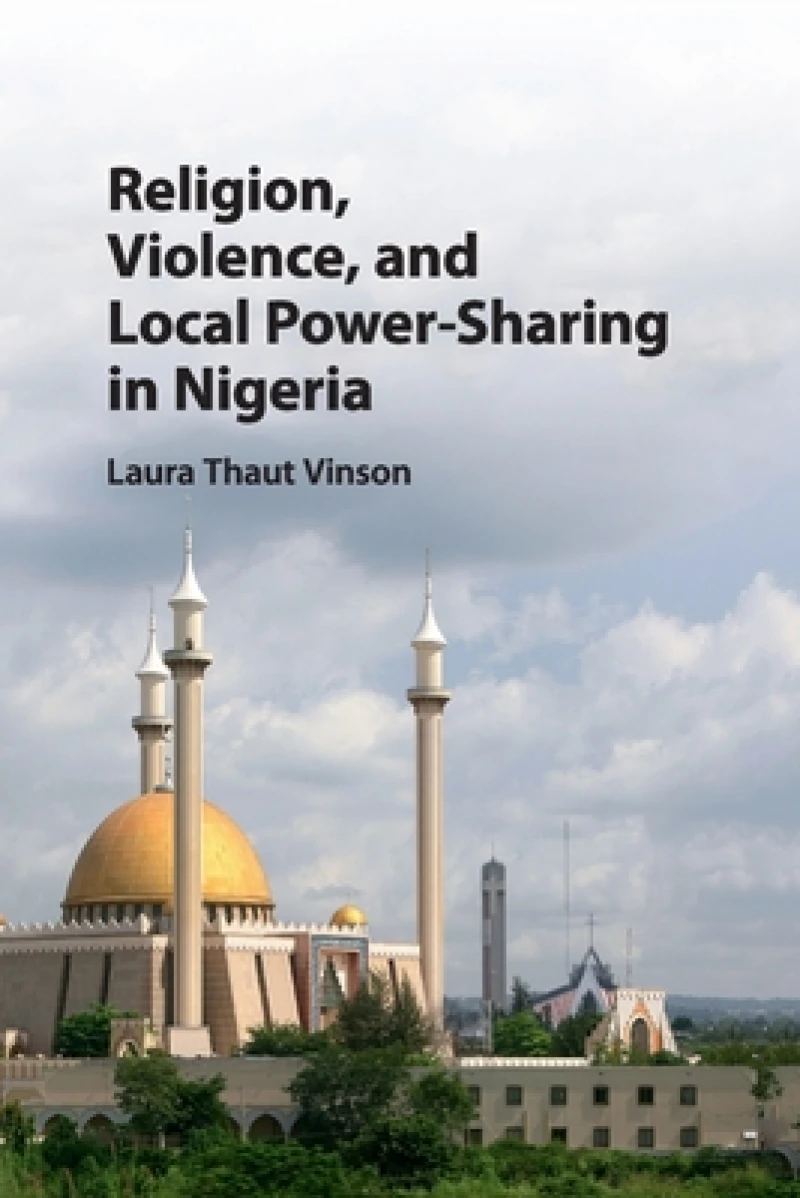
Religion, Violence, and Local Power-Sharing in Nigeria
Book Details
Format
Paperback / Softback
ISBN-10
1316631303
ISBN-13
9781316631300
Publisher
Cambridge University Press
Imprint
Cambridge University Press
Country of Manufacture
GB
Country of Publication
GB
Publication Date
May 28th, 2020
Print length
363 Pages
Weight
550 grams
Dimensions
15.30 x 22.80 x 2.60 cms
Product Classification:
Constitution: government & the state
Ksh 7,450.00
Werezi Extended Catalogue
0 in stock
Delivery Location
Delivery fee: Select location
Secure
Quality
Fast
This book will appeal not only to students of religion, conflict, and Nigerian or African politics, but also to experts in the policy and NGO community who are seeking to understand the problem of ethnic violence in divided societies and how inclusive local political institutions can defuse conflict.
Why does religion become a fault line of communal violence in some pluralistic countries and not others? Under what conditions will religious identity - as opposed to other salient ethnic cleavages - become the spark that ignites communal violence? Contemporary world politics since 9/11 is increasingly marked by intra-state communal clashes in which religious identity is the main fault line. Yet, violence erupts only in some religiously pluralistic countries, and only in some parts of those countries. This study argues that prominent theories in the study of civil conflict cannot adequately account for the variation in subnational identity-based violence. Examining this variation in the context of Nigeria''s pluralistic north-central region, this book finds support for a new theory of power-sharing. It finds that communities are less likely to fall prey to a divisive narrative of religious difference where local leaders informally agreed to abide by an inclusive, local government power-sharing arrangement.
Get Religion, Violence, and Local Power-Sharing in Nigeria by at the best price and quality guaranteed only at Werezi Africa's largest book ecommerce store. The book was published by Cambridge University Press and it has pages.

