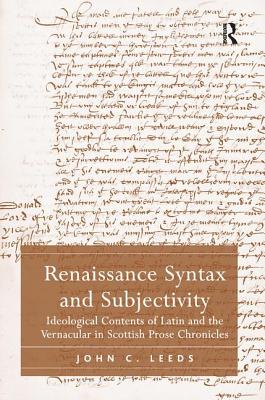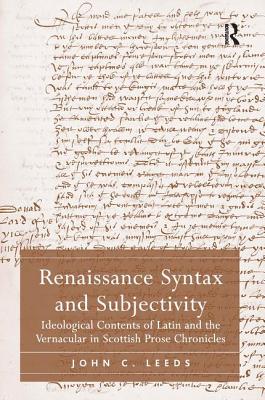
Renaissance Syntax and Subjectivity : Ideological Contents of Latin and the Vernacular in Scottish Prose Chronicles
Book Details
Format
Hardback
ISBN-10
0754658120
ISBN-13
9780754658122
Publisher
Taylor & Francis Ltd
Imprint
Routledge
Country of Manufacture
GB
Country of Publication
GB
Publication Date
Feb 24th, 2010
Print length
246 Pages
Weight
589 grams
Product Classification:
Literary studies: generalLiterary studies: c 1500 to c 1800
KSh 30,950.00
Currently unavailable
0 in stock
Delivery Location
Delivery fee: Select location
Secure
Quality
Fast
Focuses on the relationship between Latin and the Scots vernacular in the chronicle literature of 16th-century Scotland. This title shows how the disposition of grammatical subjects, in dissimilar syntactic systems of humanist neo-Latin and Scots, conditions the way in which 'the subject' and its actions are conceived in the writing of history.
The relationship between Latin and the Scots vernacular in the chronicle literature of 16th-century Scotland provides the topic for this study. John Leeds here shows how the disposition of grammatical subjects, in the radically dissimilar syntactic systems of humanist neo-Latin and Scots, conditions the way in which "the subject" (i.e., the human individual) and its actions are conceived in the writing of history. In doing so, he extends the boundaries of existing critical literature on early modern "subjectivity" to include the subject of grammar, analyzing its incorporation into narrative sentences and illuminating the ideological contents of different systems for its deployment. Though focused on the chronicles of Renaissance Scotland, the argument can in principle be applied to the entire range of Latin-vernacular relations during the early modern period. While examining the intellectual culture of early modernity, Leeds also takes aim, at every stage of his argument, at the semiotic and social-constructionist orthodoxies that dominate the humanities today. Against the notion that human subjects are "discursive constructs," he argues for the subordination of discourse to realities, both material and immaterial, that are external to language. As part of this argument, he proposes a view of neo-Latin humanism as a resistance to the onset of modernity, arguing that Latin prose provides options (at once syntactic, ideological, and ontological) that vernacular culture has, to its considerable detriment, foreclosed. In sum, Leeds advocates a renewed and theoretically-informed commitment to the humanism that the humanities themselves have been at such pains, during the last scholarly generation, to depreciate.
Get Renaissance Syntax and Subjectivity by John C. Leeds at the best price and quality guaranteed only at Werezi Africa's largest book ecommerce store. The book was published by Taylor & Francis Ltd and it has 246 pages.
Customers Who Bought This Also Bought
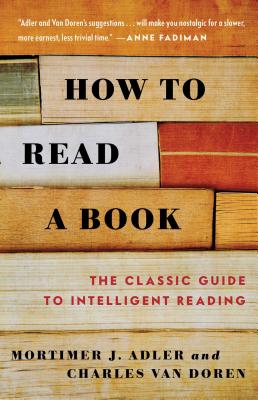
How to Read a Book
KSh 2,000.00
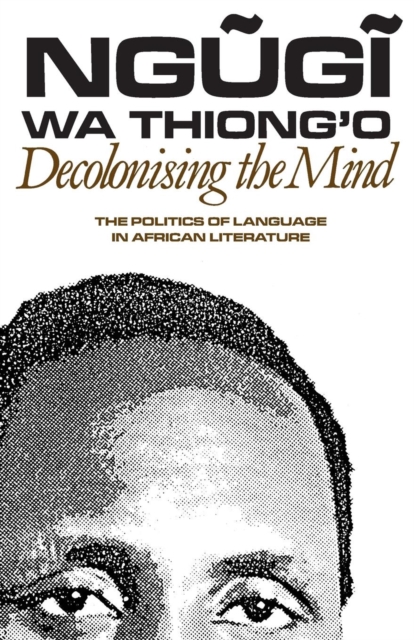
Decolonising the Mind
KSh 4,700.00

How to Read & Why
KSh 2,350.00
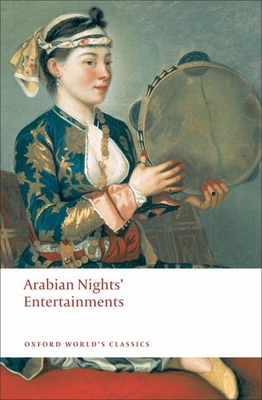
Arabian Nights'' Entertainments
KSh 2,950.00
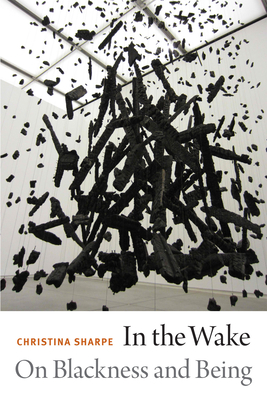
In the Wake
KSh 3,600.00
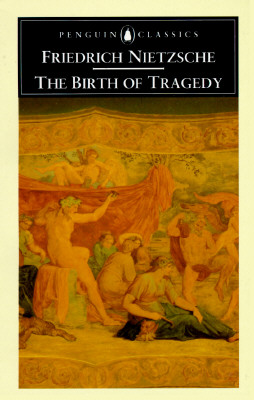
The Birth of Tragedy
KSh 1,800.00
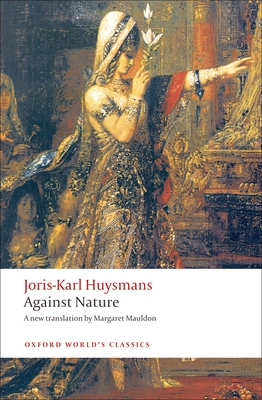
Against Nature
KSh 1,800.00
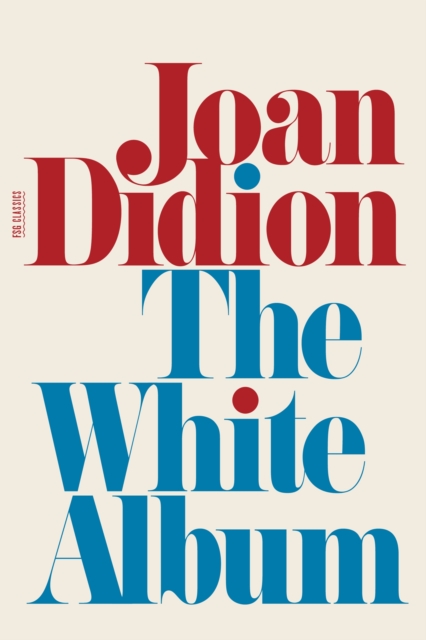
The White Album
KSh 3,250.00
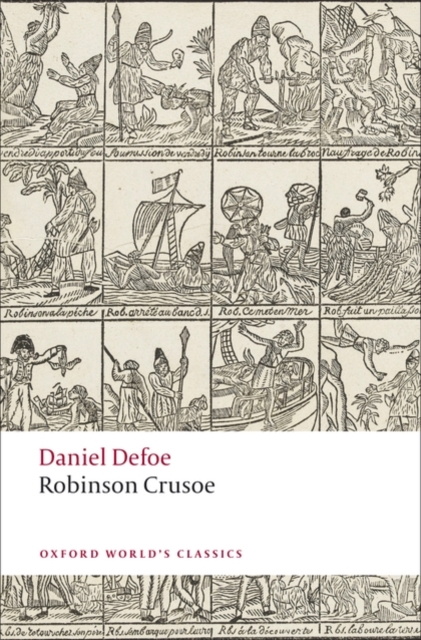
Robinson Crusoe
KSh 1,450.00
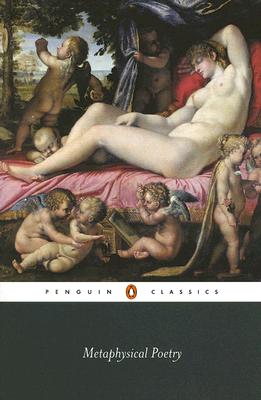
Metaphysical Poetry
KSh 2,350.00
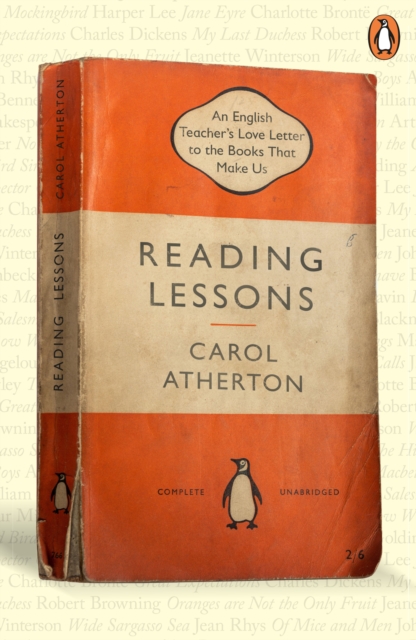
Reading Lessons
KSh 2,350.00

Literature Book
KSh 4,250.00