
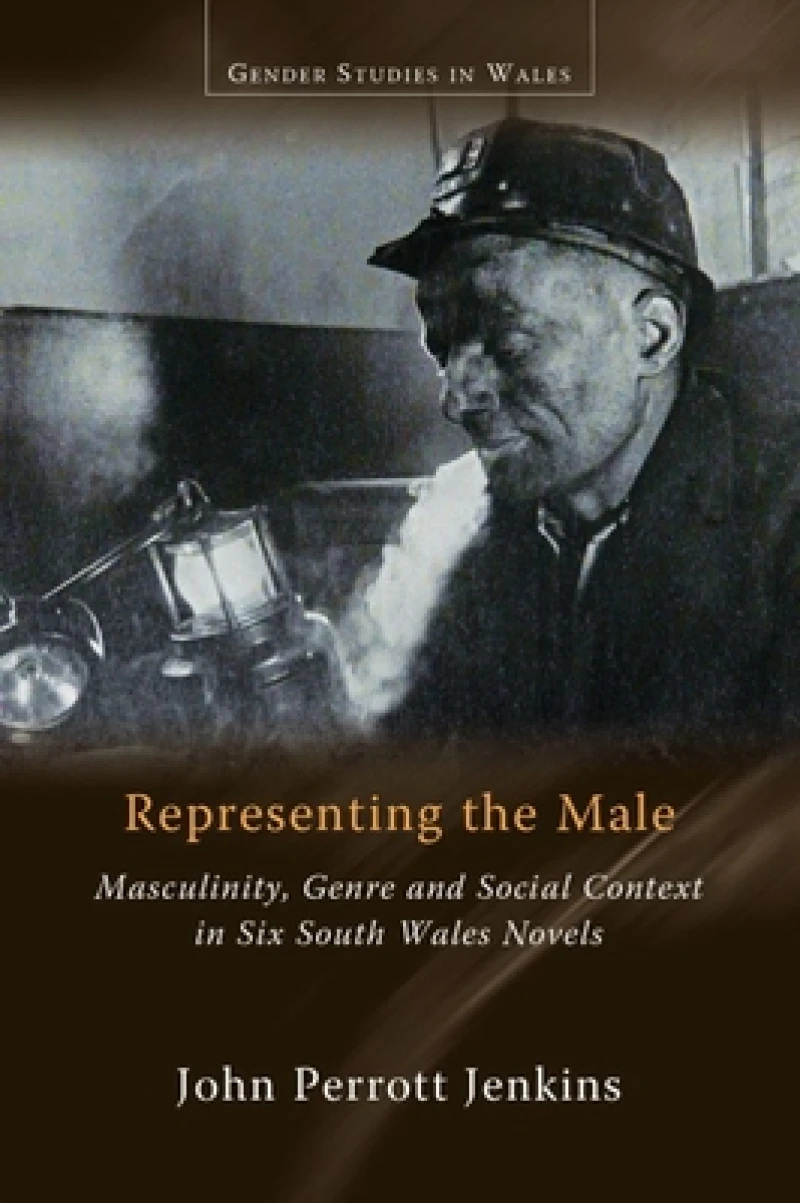
Representing the Male : Masculinity, Genre and Social Context in Six South Wales Novels
Book Details
Format
Paperback / Softback
Book Series
Gender Studies in Wales
ISBN-10
1786837781
ISBN-13
9781786837783
Publisher
University of Wales Press
Imprint
University of Wales Press
Country of Manufacture
GB
Country of Publication
GB
Publication Date
Jun 15th, 2021
Print length
256 Pages
Weight
264 grams
Dimensions
13.90 x 21.50 x 1.80 cms
Ksh 4,500.00
Temporarily out of stock, due soon
0 in stock
Delivery Location
Delivery fee: Select location
Secure
Quality
Fast
This book argues that industrial patriarchy in South Wales established an exclusive though damaging form of structural masculine conformity expressed through a limited –and limiting – set of gendered practices.
A study of masculinity in six Welsh novels, linking the critique of structural patriarchy to that of industrial capitalism.
The book undertakes a gendered analysis of the male characters in six South Wales novels written between 1936 and 2014, uncovering a critique of the form of masculine hegemony propagated by structural patriarchy and industrial capitalism. The novels depict characters confined to a limited repertoire of culturally endorsed behavioral norms that prohibit the expression and cultivation of the self. Ideologically subservient and ?feminized? in the context of work, the working-class characters are ideologically dominant and ?masculinized? at home. As the characters negotiate, resist, or strive to reconcile the irreconcilable demands of such gendered practices, Jenkins shows how recurring patterns of exclusion, inadequacy, and mental instability become evident in their representation.
The book undertakes a gendered analysis of the male characters in six South Wales novels written between 1936 and 2014, uncovering a critique of the form of masculine hegemony propagated by structural patriarchy and industrial capitalism. The novels depict characters confined to a limited repertoire of culturally endorsed behavioral norms that prohibit the expression and cultivation of the self. Ideologically subservient and ?feminized? in the context of work, the working-class characters are ideologically dominant and ?masculinized? at home. As the characters negotiate, resist, or strive to reconcile the irreconcilable demands of such gendered practices, Jenkins shows how recurring patterns of exclusion, inadequacy, and mental instability become evident in their representation.
Get Representing the Male by at the best price and quality guaranteed only at Werezi Africa's largest book ecommerce store. The book was published by University of Wales Press and it has pages.

