
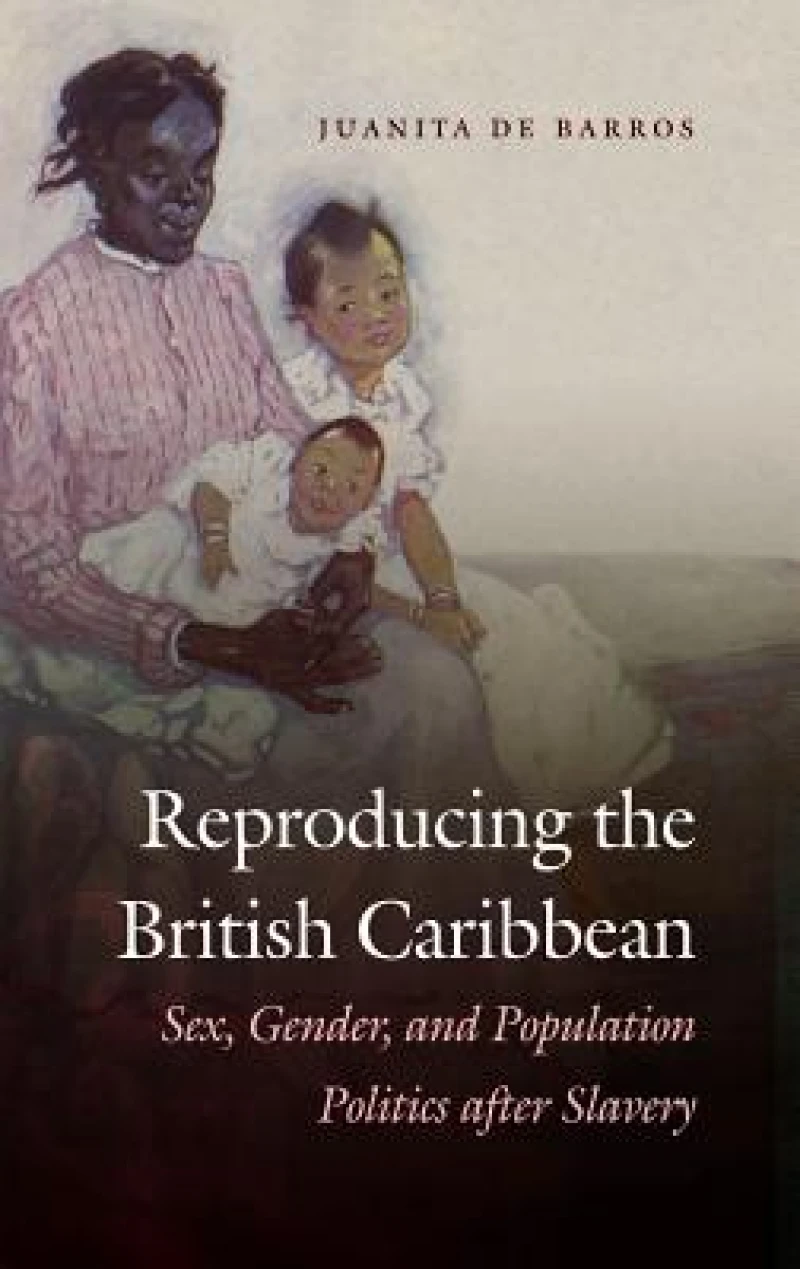
Reproducing the British Caribbean : Sex, Gender, and Population Politics after Slavery
Book Details
Format
Paperback / Softback
ISBN-10
146961605X
ISBN-13
9781469616056
Publisher
The University of North Carolina Press
Imprint
The University of North Carolina Press
Country of Manufacture
US
Country of Publication
GB
Publication Date
Aug 30th, 2014
Print length
296 Pages
Weight
476 grams
Dimensions
15.60 x 23.50 x 2.20 cms
Product Classification:
History of the AmericasSocial discrimination & inequalityGender studies, gender groups
Ksh 6,000.00
Temporarily out of stock, due soon
0 in stock
Delivery Location
Delivery fee: Select location
Secure
Quality
Fast
This innovative book traces the history of ideas and policymaking concerning population growth and infant and maternal welfare in Caribbean colonies wrestling with the aftermath of slavery. Focusing on Jamaica, Guyana, and Barbados from the nineteenth century through the 1930s, when violent labor protests swept the region, Juanita De Barros takes a comparative approach in analyzing the struggles among former slaves and masters attempting to determine the course of their societies after emancipation. Invested in the success of the "great experiment" of slave emancipation, colonial officials developed new social welfare and health policies. Concerns about the health and size of ex-slave populations were expressed throughout the colonial world during this period. In the Caribbean, an emergent black middle class, rapidly increasing immigration, and new attitudes toward medicine and society were crucial factors. While hemispheric and diasporic trends influenced the new policies, De Barros shows that local physicians, philanthropists, midwives, and the impoverished mothers who were the targets of this official concern helped shape and implement efforts to ensure the health and reproduction of Caribbean populations in the decades before independence.
Get Reproducing the British Caribbean by at the best price and quality guaranteed only at Werezi Africa's largest book ecommerce store. The book was published by The University of North Carolina Press and it has pages.

