

Resistance and Integration : Peronism and the Argentine Working Class, 1946–1976
by
Daniel James
Book Details
Format
Paperback / softback
Book Series
Cambridge Latin American Studies
ISBN-10
0521466822
ISBN-13
9780521466820
Publisher
Cambridge University Press
Imprint
Cambridge University Press
Country of Manufacture
GB
Country of Publication
GB
Publication Date
Apr 29th, 1994
Print length
312 Pages
Weight
516 grams
Dimensions
15.20 x 22.90 x 2.10 cms
Product Classification:
History of the AmericasHistory of the Americas
KSh 7,900.00
Currently unavailable
0 in stock
Delivery Location
Delivery fee: Select location
Secure
Quality
Fast
This book analyses the relationship between Peronism and the Argentine working class from the foundation of the Peronist movement in the mid 1940s to the overthrow of Peron's widow in 1976. It presents an account of such crucial issues as the role of the Peronist union bureaucracy and the impact of Peronist ideology on workers.
This book analyses the relationship between Peronism and the Argentine working class from the foundation of the Peronist movement in the mid 1940s to the overthrow of Peron's widow in 1976. It presents an account of such crucial issues as the role of the Peronist union bureaucracy and the impact of Peronist ideology on workers. Drawing on a variety of untapped sources, Daniel James confronts many of the dominant myths which have surrounded the movement. He argues that its role in containing working-class militancy cannot be explained solely in terms of manipulation, corruption or union gangsterism. The integration of Peronism into Argentine society has always been a complex and fragile operation, constantly undermined by the survival of the movement's original heretical content: its vision of a juster society in which the claim of the working class for a recognition of its social and political weight would be accepted.
Get Resistance and Integration by Daniel James at the best price and quality guaranteed only at Werezi Africa's largest book ecommerce store. The book was published by Cambridge University Press and it has 312 pages.
Customers Who Bought This Also Bought

Crusade for Justice – The Autobiography of Ida B. Wells, Second Edition
KSh 4,050.00

Killers of the Flower Moon
KSh 2,000.00

Warmth of Other Suns
KSh 3,050.00

Frederick Douglass
KSh 3,350.00

107 Days
KSh 4,500.00

Second Treatise of Government – Norton Library
KSh 1,600.00

Tuesdays With Morrie
KSh 2,000.00
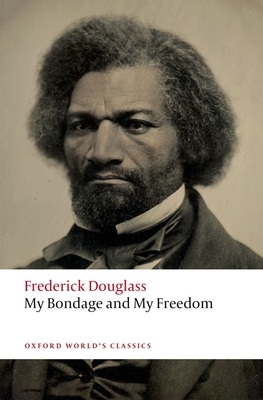
My Bondage and My Freedom
KSh 1,600.00

Hidden Figures
KSh 2,000.00

America, América
KSh 3,650.00

Holding the Line
KSh 2,000.00

Nuclear Folly
KSh 3,050.00
More by Daniel James
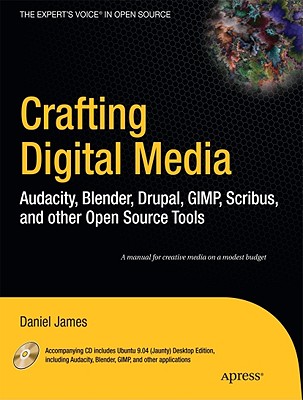
Crafting Digital Media
KSh 7,200.00

Resistance and Integration
KSh 17,800.00

Hourglass
KSh 2,200.00

Ferryman''s Toll
KSh 2,000.00

Che Guevara
KSh 3,000.00

The Unauthorised Biography of Ezra Maas
KSh 3,550.00

Capitalism and the Camera
KSh 3,950.00

Hegel and Colonialism
KSh 3,250.00

Hegel and Colonialism
KSh 10,050.00
